
Understanding Hartalika Teej: Significance and Traditions

Introduction to Hartalika Teej
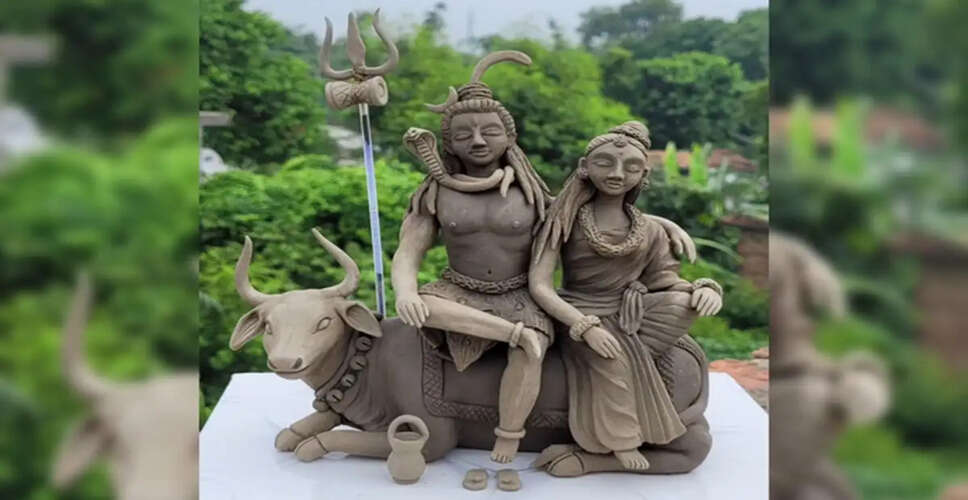
Hartalika Teej stands out as a significant festival in Hindu culture, symbolizing the deep love and devotion between Lord Shiva and Goddess Parvati. This occasion is marked by married women fasting for the longevity of their husbands and a harmonious married life, while unmarried women observe the fast in hopes of finding their ideal partners. A distinctive aspect of this celebration involves crafting idols of Lord Shiva and Goddess Parvati from sand or clay for worship. This practice holds deep meaning, and we will explore its significance.
When is Hartalika Teej 2026?
Hartalika Teej Date
Hartalika Teej is celebrated on the *Tritiya Tithi* (third day) of the *Shukla Paksha* (waxing phase of the moon) in the month of Bhadrapada. According to the Hindu calendar, this *Tritiya Tithi* begins at 7:08 AM on September 13 and ends at 7:06 AM on September 14, 2026. Therefore, the fast will be observed on September 14, 2026. On this day, women rise early, vow to fast, and perform rituals to honor Lord Shiva and Goddess Parvati, paying close attention to the auspicious timing for worship.
The Tradition of Making Idols
Why Create Idols from Sand?
The practice of forming idols of Shiva and Parvati from sand or clay during Hartalika Teej is rooted in the intense penance of Goddess Parvati. Legend has it that she longed for Lord Shiva as her husband since her childhood and undertook severe penance to win his affection.
During her devotion, she crafted idols of Lord Shiva, performing rituals with utmost dedication to please him. Moved by her unwavering commitment, Lord Shiva accepted her as his partner. This tradition of idol-making commemorates that mythological event, allowing devotees to reflect on Goddess Parvati's dedication and perseverance.
The Meaning Behind 'Hartalika'
Origin of the Name
The term 'Hartalika' has a mythological origin. It is believed that Goddess Parvati's friend rescued her from an unwanted marriage arranged by her father by taking her to the forest. Thus, 'Hartalika' is derived from *Harat*, meaning abduction, and *Alika*, referring to a female friend.
Significance of the Idols in Worship
Idols as Symbols of Devotion
The idols of Shiva and Parvati created for Hartalika Teej are not just objects of worship; they embody reverence and determination. Crafting these idols from clay or sand emphasizes that the intention behind the act is more significant than the materials used. Devotees can worship Lord Shiva and Goddess Parvati in a simple manner, guided by their faith. During the rituals, offerings such as flowers, *Belpatra* (wood apple leaves), fruits, sweets, and other sacred items are presented. Many women adorn the idols beautifully and engage in *Jagran* (night-long vigil), singing *Bhajans* (devotional songs) and recounting the story of Hartalika Teej.
Importance of the Fast for Women
Significance for Married and Unmarried Women
Married women observe the Hartalika Teej fast to pray for their husbands' health, longevity, and a joyful marital life. In contrast, unmarried women fast with the hope of finding a suitable partner, mirroring Goddess Parvati's journey. This festival reinforces themes of love, trust, patience, and marital bliss. The essence of Hartalika Teej teaches that even the toughest challenges can be overcome through steadfast determination, genuine faith, and patience.
Conclusion
PC Social Media