
Understanding Govardhan Puja: Significance and Traditions

Govardhan Puja 2026: A Celebration of Nature and Gratitude
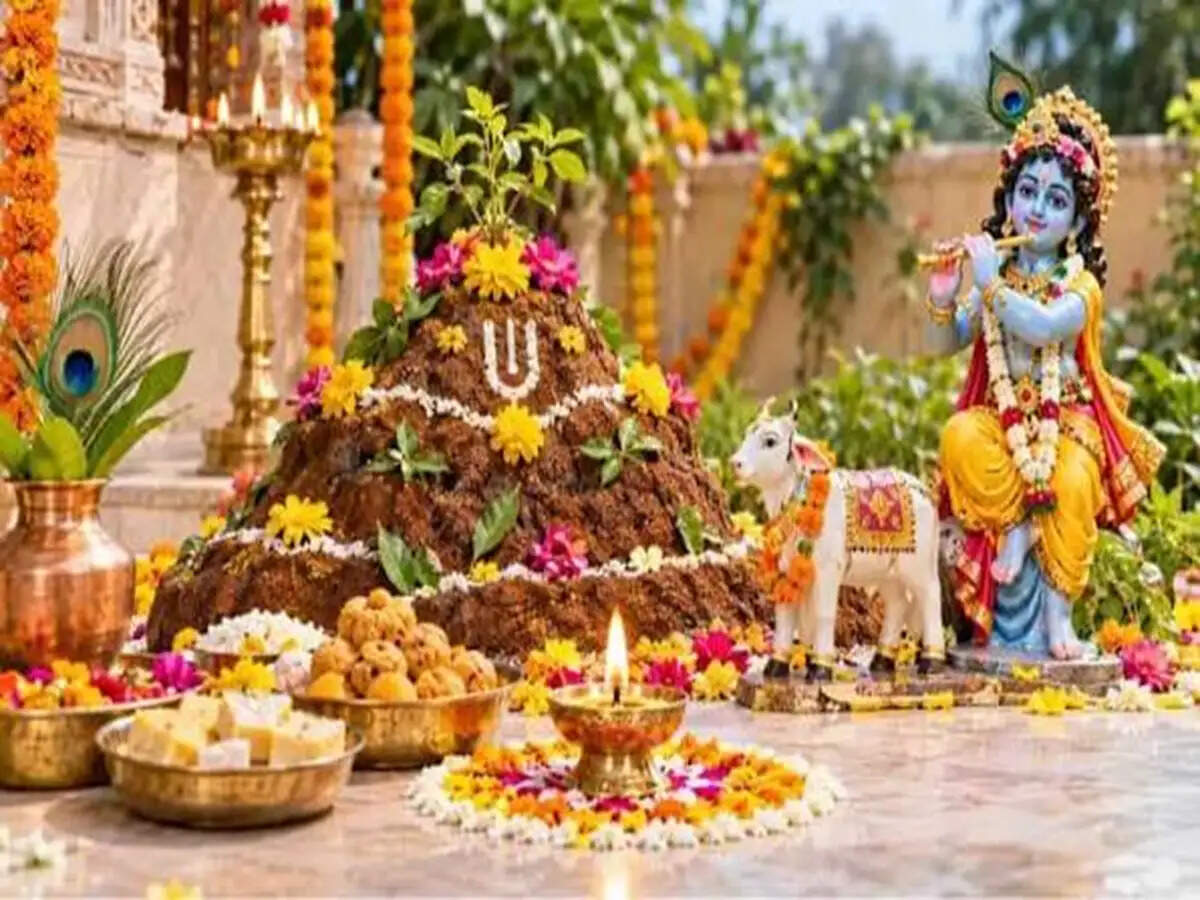
Govardhan Puja 2026: The day after Diwali marks a significant occasion where many families create a model of Mount Govardhan using cow dung. Devotees honor Lord Krishna and present Him with 'Annakoot', a feast comprising various dishes. Temples are also beautifully decorated with an assortment of food items. But have you ever pondered the origins of Govardhan Puja and the tale of Lord Krishna that accompanies it?
This festival is steeped in a narrative involving Lord Krishna and Indra, the ruler of the celestial beings. It transcends a mere tale of lifting a mountain; it conveys a significant message about nature, livestock, agriculture, and the essence of community.
The Mythological Background
Why did Lord Krishna stop the worship of Indra?
In the Dvapara Yuga, the inhabitants of Braj revered Indra, the rain god, believing that his blessings were crucial for their crops and livestock. One day, young Krishna questioned his father, Nanda Baba, about the villagers' devotion to Indra.
Krishna articulated that the well-being of the Braj community relied on Mount Govardhan, the forests, and their cattle. He suggested that they should show gratitude towards nature and their livestock instead. Following Krishna's advice, Nanda Baba and the villagers decided to honor Mount Govardhan with offerings of food rather than worshipping Indra.
Indra, upon learning that his worship had been abandoned, became furious. He unleashed a torrential downpour and a violent storm upon the region. As the rains continued, the village faced severe flooding, putting the lives of its residents at risk.
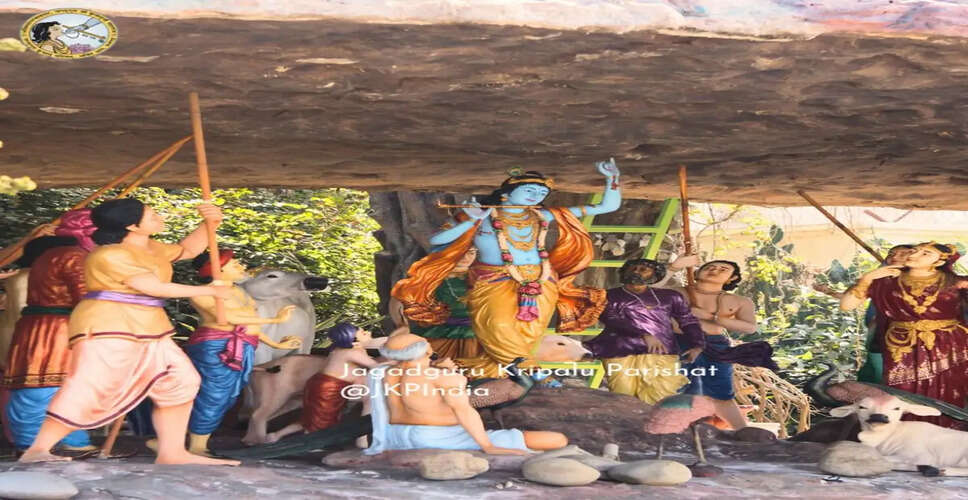
In this critical moment, Lord Krishna lifted Mount Govardhan with his little finger, directing the villagers and their cattle to seek shelter beneath it. Tradition states that the rain persisted for seven days, yet those who took refuge under the mountain remained unharmed. Eventually, Indra recognized his error and sought forgiveness from Krishna, who protected his devotees while humbling Indra.
The Tradition of 'Annakoot'
What is the significance of the 'Annakoot' offering?
Govardhan Puja is also referred to as 'Annakoot', which translates to a 'heap of food grains'. On this day, a diverse array of dishes, including sweets, vegetables, lentils, and rice, are presented to Lord Krishna.
This practice is tied to the worship of Mount Govardhan and the story of Krishna. It is believed that, at Krishna's suggestion, the people of Braj offered various foods to Mount Govardhan. To commemorate this, a grand 'Annakoot' display is still prepared in temples today.
In many temples, a 'mountain' of food, featuring hundreds of different dishes, is arranged before Lord Krishna. After the rituals, this food is shared among the community as 'prasad', a blessed offering.
Worship of Cows During Govardhan Puja
Why are cows honored on this day?
Another tradition during Govardhan Puja is the worship of cows, which is deeply rooted in the lifestyle of the Braj region and Krishna's identity as a 'Gopal', or protector of cows. The community's livelihood depended on cows for essential products like milk, curd, and ghee, as well as their role in agriculture.
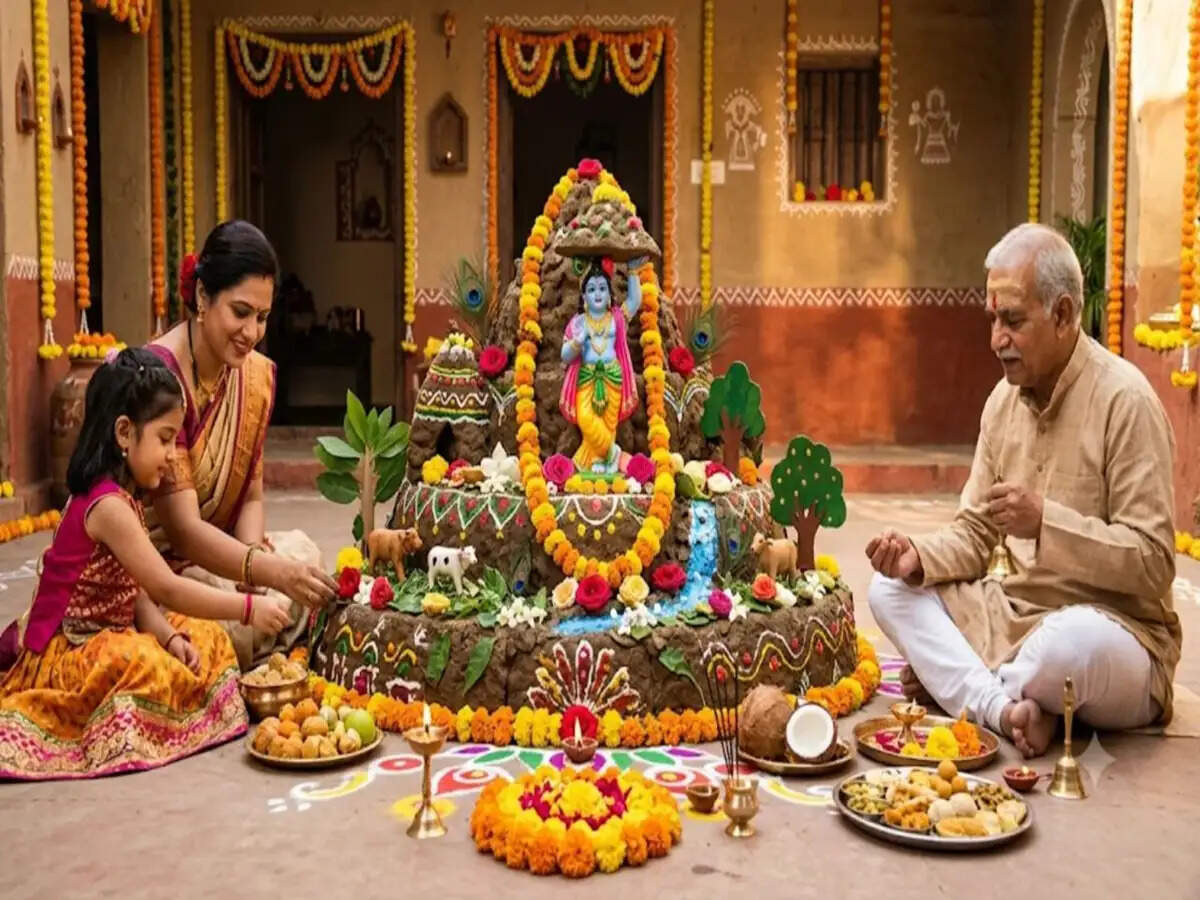
On this day, cows are bathed, adorned, and given a nutritious meal. Many households create a representation of Mount Govardhan from cow dung and worship it. This practice symbolizes respect for nature, animals, and the resources that sustain life.
Lessons from Govardhan Puja
What insights does Govardhan Puja provide?
The tale of Govardhan Puja is not just about Krishna's might and Indra's pride; it imparts valuable lessons about life.
Respect for Nature: Human existence is closely tied to mountains, forests, and water sources. It is crucial to protect and cherish them. Avoiding Arrogance: Indra's story serves as a reminder not to be boastful about one's power or status.
Unity in Adversity: The Braj community demonstrated solidarity during challenging times.
Gratitude for Food and Livestock: Food and animals are integral to our lives, and we should express appreciation for them.