
Understanding Fasting During Menstruation: A Modern Perspective

Fasting and Menstruation: A Common Dilemma
Fasting During Menstruation: Whether it's a *Puja* (worship ceremony), a significant religious fast, or occasions like *Sawan*, *Navratri*, and *Ekadashi*, many women often wonder if they can fast while on their periods. Different households hold various beliefs about this topic. In some cultures, women are discouraged from participating in worship, while others suggest they simply take time to rest. This leads to confusion among women regarding the appropriate course of action. Religious texts and beliefs recognize menstruation as a natural bodily function.
Evolving Discussions on Menstruation and Fasting
As a result, this topic is now being discussed more openly than in previous generations. Experts in both astrology and religion affirm that women can observe fasts during their menstrual cycle, provided they follow specific guidelines for worship. The essence of these practices lies in faith and devotion.
Scriptural Insights on Fasting During Menstruation
What Do the Scriptures Say About Fasting During Periods?
Religious texts indicate that women are allowed to fast during their menstrual periods. There is no explicit prohibition against fasting during this time in the scriptures. However, guidelines regarding worship rituals and temple attendance are provided. It is believed that women need physical rest during menstruation, hence they are advised to avoid strenuous worship activities or prolonged periods at the altar. Nonetheless, if a woman fasts with genuine intent and devotion, her fast is deemed valid.
The Significance of Mental Worship
Why is Mental Worship Considered Auspicious?
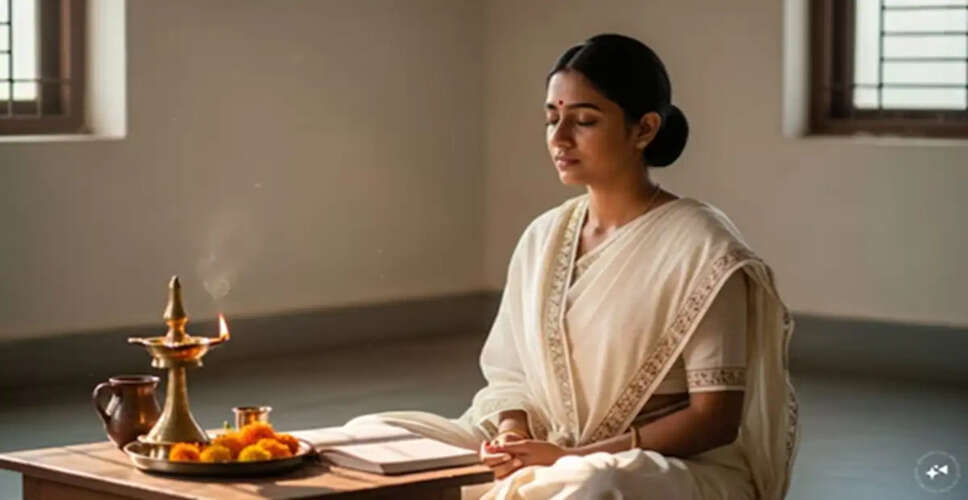
Engaging in mental devotion is also recognized as a form of worship. Religious texts place great importance on mental devotion. Therefore, during their periods, women can meditate on the Divine, recite mantras, and listen to religious stories (*Vrat Kathas*). With the advent of technology, individuals can access religious narratives and *Aartis* online, making it unnecessary to completely withdraw from worship during this time. Many women prefer to remember the Divine peacefully at home rather than visiting temples. Scholars suggest that sincere meditation holds the same spiritual value as physical worship.
Guidelines for Worship Materials
What Are the Rules Regarding Worship Materials?
**Advice on Avoiding Contact with Religious Objects:** Traditionally, women are advised against touching the *puja* (worship) plate, idols, religious texts, or other worship items while menstruating, as this is viewed through the lens of ritual purity. However, many modern thinkers consider this a matter of personal belief.
If a significant fast or *puja* is taking place at home, other family members can perform the rituals. Women may sit at a distance, observe the worship, and silently offer their prayers.
Health Considerations During Fasting
**What Precautions Should Be Taken During a Fast?**
Women who choose to fast while menstruating should prioritize their health. Extended fasting can lead to issues like weakness, fatigue, or dizziness. Therefore, it is crucial to consume fruits and water as needed to maintain energy levels.
Religious beliefs also emphasize that fasting involves more than just abstaining from food; it requires self-control in thoughts and actions. Speaking negatively about others, using foul language, or engaging in disputes are seen as breaches of fasting rules.
Changing Attitudes Towards Menstruation
**Changing Perspectives in Families and Society**
While this topic was once rarely discussed, the younger generation is now approaching it with a more practical mindset. Many women view menstruation as a normal physiological process rather than a state of impurity. As a result, there is a growing advocacy for balancing religious beliefs with physical health.
Conclusion
PC Social Media