
Understanding Fasting Blood Sugar Levels Across Different Ages

What Are the Ideal Fasting Blood Sugar Levels by Age?
Diabetes has become a significant health issue globally, with many individuals unaware that their blood sugar levels may be above normal. Monitoring fasting blood sugar levels, particularly in the morning, is crucial for assessing diabetes risk. But what should your fasting blood sugar level be?
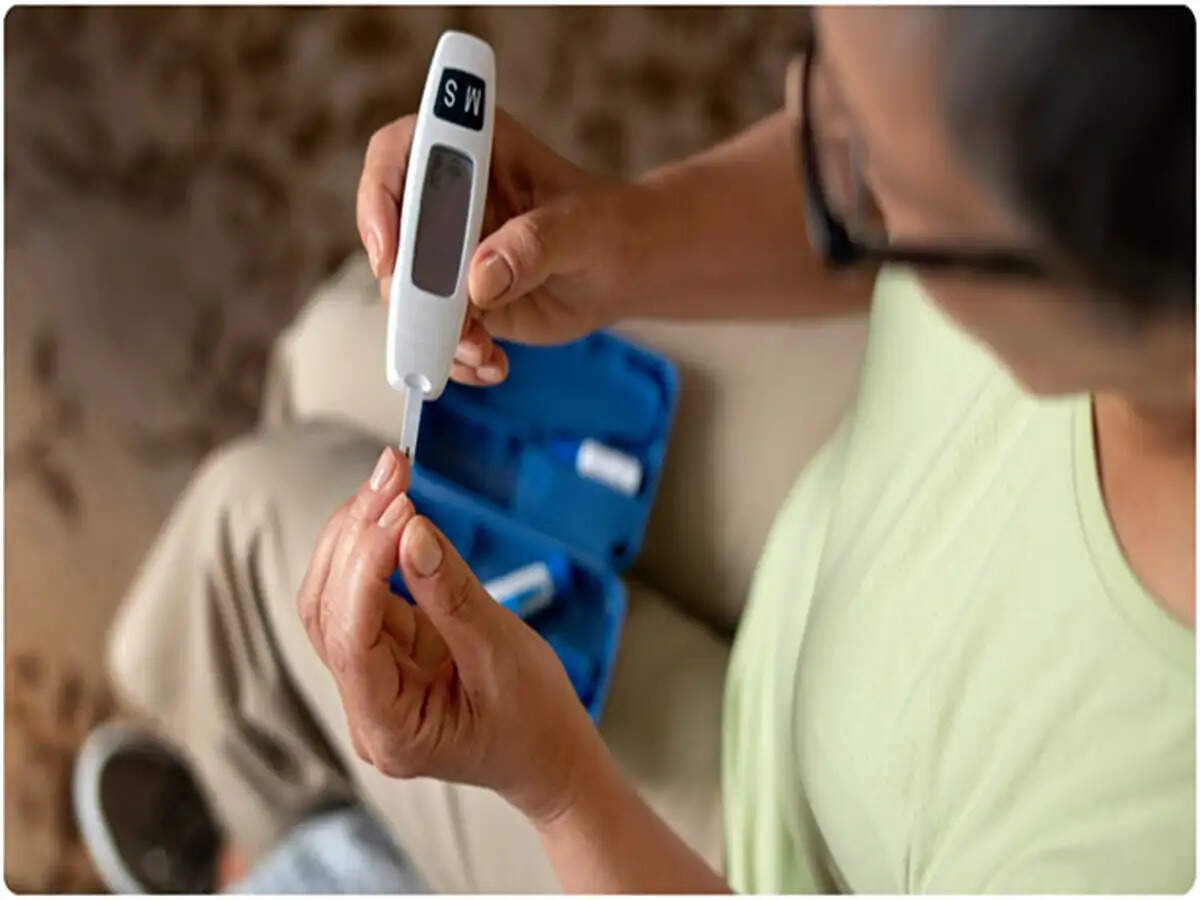
Does the acceptable blood sugar range vary for children, young adults, and seniors? On World Diabetes Day, we delve into the appropriate fasting blood sugar levels, age-specific blood sugar information, how to recognize pre-diabetes and diabetes, and the lifestyle and dietary adjustments necessary to manage rising blood sugar levels.
What is the recommended fasting blood sugar level in the morning?
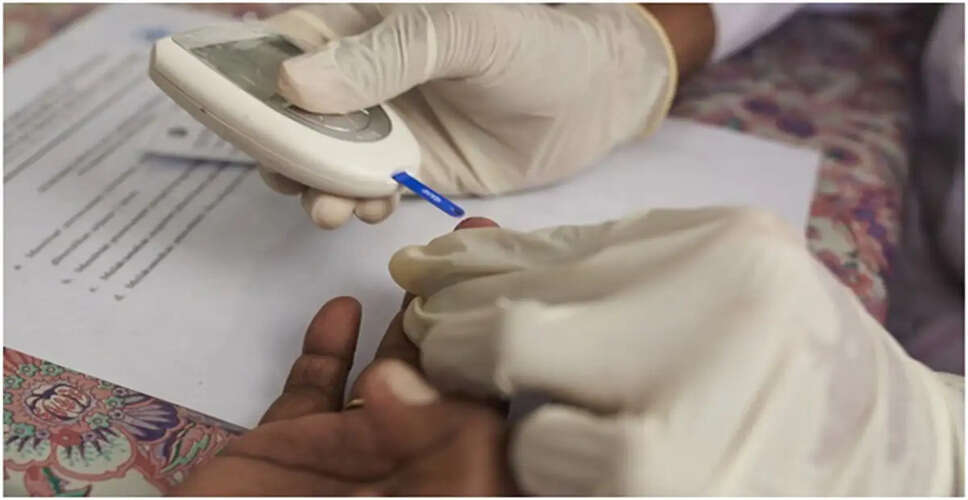
A fasting blood glucose test is conducted after abstaining from food and drink for at least 8 hours, although plain water is allowed.
Normal Fasting Blood Sugar Levels for Adults
Blood Sugar Level
Status
70–99 mg/dL
Normal
100–125 mg/dL
Pre-diabetes
126 mg/dL or higher
Possible diabetes
Note: Fasting for a minimum of 8 hours is crucial before testing. A follow-up test is often necessary to confirm a diabetes diagnosis.
What are the blood sugar levels by age?
The normal fasting blood sugar range remains consistent across different ages for healthy individuals. However, for those diagnosed with diabetes, healthcare providers may establish specific targets based on age, health status, and other medical conditions.
1. Blood Sugar Levels in Children
For children, the normal fasting blood sugar range is typically 70–99 mg/dL. If children exhibit diabetes symptoms such as frequent urination, excessive thirst, or sudden weight loss, they should undergo testing.
2. Ages 18 to 40
In this demographic, a normal fasting blood sugar level is also 70–99 mg/dL. Levels between 100 and 125 mg/dL may indicate pre-diabetes.
3. Ages 40 to 60
The likelihood of developing diabetes may rise during this period, especially for those with a family history, obesity, or sedentary lifestyles. Regular blood sugar monitoring is vital.
4. Ages Over 60
For older adults, blood sugar control targets are influenced by overall health, medications, and existing medical conditions. It is essential to consult a healthcare provider before making any changes to diabetes medications.
What are the signs of elevated fasting blood sugar?
Elevated blood sugar levels can manifest through various symptoms, including:
Increased thirst
Frequent urination
Heightened hunger
Unexplained weight loss
Fatigue and weakness
Blurred vision
Slow wound healing
In many instances, early-stage diabetes may not present clear symptoms.
What contributes to high blood sugar?
Consumption of sugary and refined carbohydrate-rich foods
Lack of physical activity
Obesity, particularly abdominal fat
A family history of diabetes
Inadequate sleep
Chronic stress
Effects of certain medications or health issues
How can blood sugar levels be managed?
Implementing specific habits can help mitigate diabetes risk and regulate blood sugar levels. Aim for at least 30 minutes of physical activity daily.
Incorporate green vegetables, lentils, and fiber-rich foods into your diet.
Limit sugary beverages and excessive sugar consumption.
Strive to maintain a healthy weight.
Ensure adequate sleep.
Regularly monitor blood sugar levels.
If diagnosed with diabetes, adhere to prescribed medications.

When should you seek medical advice?
If your fasting blood sugar consistently registers at 126 mg/dL or higher, consult a healthcare professional. Symptoms such as excessive thirst, frequent urination, and sudden weight loss warrant medical evaluation. If you have diabetes and experience vomiting, abdominal pain, rapid or deep breathing, extreme fatigue, or loss of consciousness, seek immediate medical assistance.
PC Social Media