
Understanding Eye Twitching: Causes and Effective Remedies
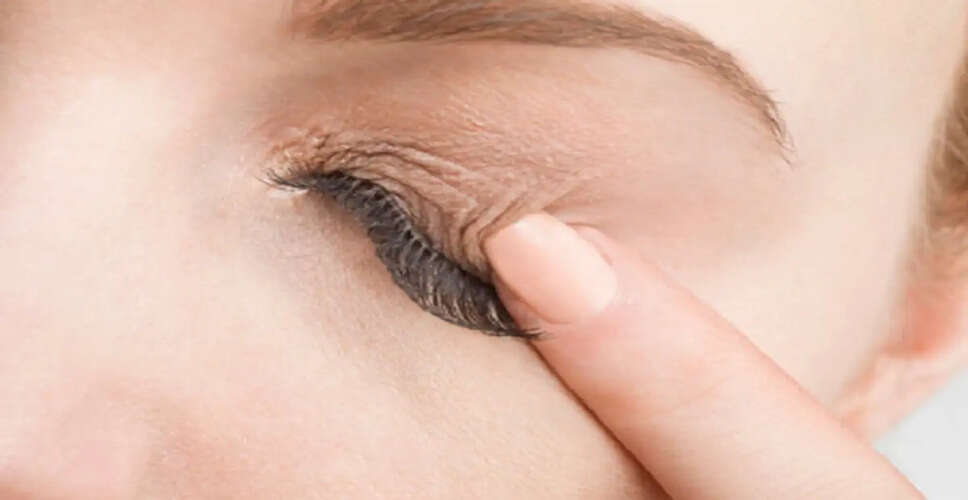

Exploring Eye Twitching: Causes and Solutions
Understanding Eye Twitching: Eye twitching is a frequent occurrence that many people link to superstitions regarding good or bad luck. Some individuals believe that the twitching of either eye can predict future events. However, from a medical standpoint, eye twitching is not associated with omens but is instead related to various physical conditions or health factors.
Typically, this issue resolves itself after a brief period; however, if the twitching continues for several days or is accompanied by additional symptoms, it may be wise to seek medical advice. Let's delve into the scientific explanations for eye twitching and some straightforward methods to alleviate it.
What Causes Eye Twitching?
Eye twitching is characterized by involuntary spasms of the eyelid muscles. These spasms usually last for a few seconds or minutes, but in some cases, they may recur over several days.
Stress Factors
One of the primary triggers for eye twitching is mental stress. Factors such as work-related pressure, anxiety, or mental exhaustion can impact the muscles around the eyes.
Insufficient Sleep
Lack of adequate sleep can lead to fatigue in both the body and the eye muscles, which may result in eyelid twitching.
Extended Screen Exposure
Prolonged use of devices like smartphones, laptops, or televisions can strain the eyes, leading to dryness, fatigue, and twitching.
High Caffeine Intake
Excessive consumption of caffeinated beverages such as tea, coffee, or energy drinks can heighten muscle activity in some individuals, potentially causing eye twitching.
Dry Eyes
A decrease in moisture in the eyes—often due to prolonged screen time, aging, or certain medications—can trigger twitching.
Nutritional Deficiencies
A deficiency in specific nutrients, like magnesium, can influence muscle function, although this is not always the case.
Effective Relief Strategies for Eye Twitching
Ensure you get sufficient sleep—aim for 7 to 8 hours each night.
Limit screen time and adhere to the 20-20-20 rule.
Engage in yoga and meditation to alleviate stress.
Cut back on tea and coffee consumption.
Allow your eyes regular breaks.
Stay hydrated and maintain a nutritious diet.
Consult a doctor for eye drops if needed.
When to Seek Medical Attention?
If eye twitching persists for a week or more, if the eyelid starts to close completely, or if you notice swelling, redness, pain, or blurred vision, it is crucial to consult an eye specialist. These symptoms may indicate an underlying health concern.
PC Social Media