
Understanding Evening Donation Traditions in Hinduism

Insights on Evening Donations
Concepts Surrounding Evening Donations: In Hindu culture, the practice of giving (daan) is viewed as a noble act. It is believed that assisting those in need fosters joy and tranquility in one’s life. However, there exists a tradition concerning the timing of specific donations. Many elders caution against donating items such as milk, curd, or salt during the evening hours. This custom is deeply rooted in various religious beliefs and astrological principles, and it continues to be upheld in numerous households today.
It is essential to recognize that these beliefs should be interpreted strictly from a cultural and traditional standpoint; they do not provide scientific explanations for any unfortunate occurrences or losses.
Why Avoid Donating Milk in the Evening?
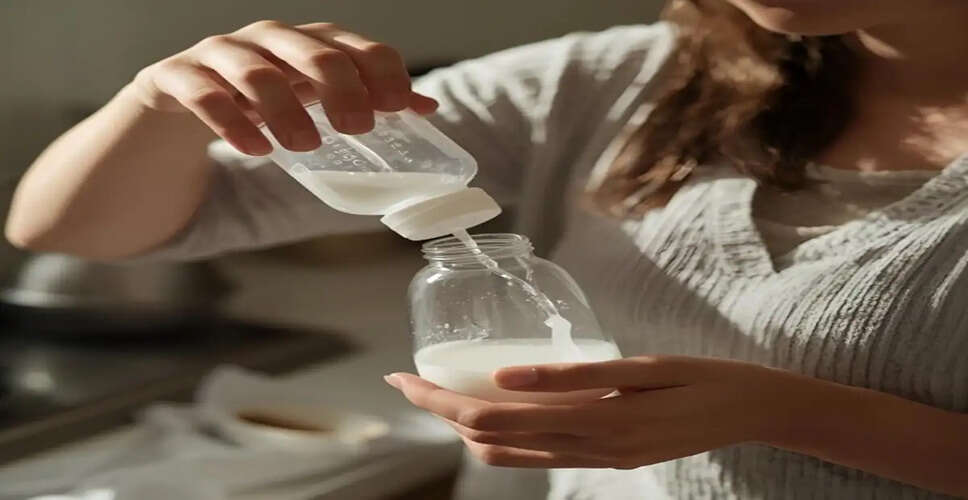
In various religious and astrological traditions, milk is linked to the Moon and tranquility. The Moon symbolizes the mind and emotions, while milk is also seen as a representation of auspiciousness and wealth.
Common belief suggests that donating milk after sunset could adversely affect the happiness and prosperity of a household. Consequently, many families discourage giving away milk in the evening. Nonetheless, this remains a traditional belief without scientific backing.
The Tradition of Not Donating Curd
In several homes, individuals also avoid donating curd during the evening. Astrologically, curd is associated with Venus (Shukra), which signifies comfort, marital harmony, and material enjoyment.
It is thought that giving away curd after sunset may negatively impact the comforts and prosperity of a household. As a result, many prefer to donate curd in the morning or during daylight hours.
Why is Salt Donation Discouraged in the Evening?
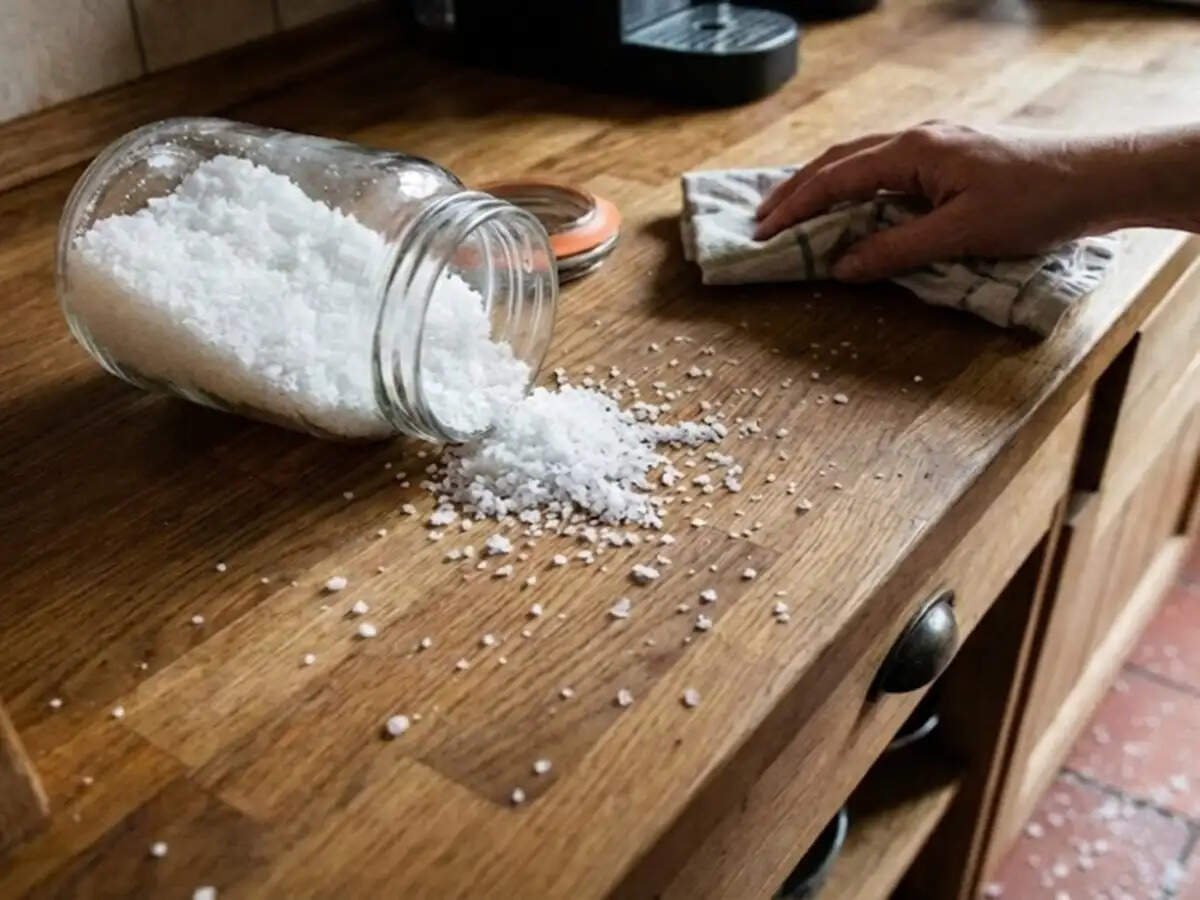
There are numerous traditional beliefs regarding the exchange of salt during evening hours. Family elders often advise against giving salt to anyone after sunset. According to popular belief, salt is linked to the financial prosperity of a household. It is thought that donating salt in the evening could lead to a shift in the household's wealth to another person’s home. Some traditions even associate salt with the planet Saturn (Shani). However, these beliefs lack scientific validation.

Should One Refrain from Helping in the Evening?
It is crucial to understand that these beliefs are primarily based on religious and traditional values. Whether to adhere to them is a personal choice.
If someone in need requests milk, curd, or salt in the evening, there is no justification for denying them these items. Assisting those in need is a fundamental aspect of humanity. Religious beliefs should not be interpreted through the lens of fear or the worry of potential harm.
PC Social Media