
Understanding Essential Nutrients for a Healthy Lifestyle
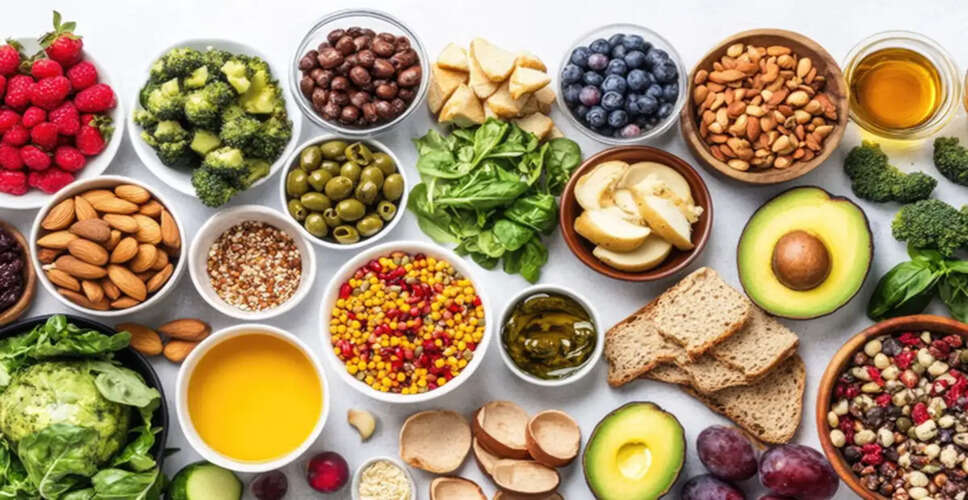

Key Nutrients Your Body Requires
Key Nutrients Your Body Requires: Every year, from September 1st to 7th, India observes National Nutrition Week. This initiative aims to enhance public awareness regarding balanced diets, essential nutrients, and healthy living.
Simply eating enough food is insufficient for maintaining health; it is crucial to incorporate specific nutrients into your daily meals. Lacking these nutrients can compromise the immune system and result in fatigue, weakness, and various health complications.
In light of National Nutrition Week, let’s delve into the essential nutrients that our bodies need on a daily basis and the food sources from which they can be easily obtained.
What nutrients does the body require daily?
1. Protein
Protein is a fundamental nutrient necessary for the body. It is essential for building and repairing muscles, skin, hair, and tissues. Additionally, protein is crucial for producing various enzymes, hormones, and other vital substances. Sufficient protein intake is especially important for children, teenagers, pregnant women, and those who are physically active. Excellent sources of protein include lentils, chickpeas, kidney beans, mung beans, soybeans, paneer, milk, yogurt, eggs, fish, and meat. Vegetarians can fulfill their protein needs through lentils, soy products, paneer, milk, and nuts.
2. Healthy Fats
While many view fat as detrimental to health, the body actually requires it in appropriate amounts. Besides providing energy, fats assist in the absorption of certain essential vitamins and are vital for the proper functioning of cells. Good sources of healthy fats include almonds, walnuts, peanuts, sesame seeds, flaxseeds, chia seeds, and other seeds. It is also important to monitor the amount of oil used in cooking and to limit the intake of deep-fried foods and those containing trans fats.
3. Vitamins and Minerals
Although vitamins and minerals are needed in smaller quantities, they are crucial for various bodily functions. They support the immune system, bone health, vision, blood formation, metabolism, and other processes. For example, calcium is essential for strong bones and teeth, while iron is important for oxygen transport in the body. Colorful fruits, leafy greens, milk, yogurt, lentils, whole grains, nuts, and seeds are excellent sources of these nutrients. Therefore, incorporating a variety of fruits and vegetables into your daily diet is highly beneficial.
4. Fiber
Fiber is vital for maintaining a healthy digestive system. It aids in regulating bowel movements and preventing constipation. Foods rich in fiber also help you feel satiated for longer. Good sources of fiber include fruits, vegetables, lentils, chickpeas, kidney beans, other legumes, whole grains, oats, and coarse grains like pearl millet. It is also essential to drink plenty of water when increasing fiber intake. Consuming fiber from diverse sources daily is a crucial aspect of a balanced diet.
Why is a balanced diet essential?
Relying on a single type of food does not provide the body with all the necessary nutrients. Therefore, it is advisable to include grains, lentils (or other protein sources), vegetables, fruits, milk/yogurt (or suitable alternatives), nuts, seeds, and adequate water in your daily meals.
PC Social Media