
Understanding Endometriosis: Insights from Sumona Chakravarti's Journey

Sumona Chakravarti's Health Journey
Sumona Chakravarti, renowned for her role as Manju Sharma on 'The Kapil Sharma Show', has recently shared her experience following surgery for endometriosis. In a heartfelt social media update, she expressed her joy at returning to the public eye after a two-month absence. Sumona underwent the procedure on May 4th, as her long-standing battle with the condition had worsened, prompting her to take decisive action.
During her recovery period, she focused on both her physical and mental well-being. Now, she reports feeling much better and credits her medical team as being incredibly supportive throughout her journey.
Her post has sparked curiosity about endometriosis, leading many to ask: What is this condition? What causes it? And how can it be managed? Let’s delve into these questions.
What is Endometriosis?
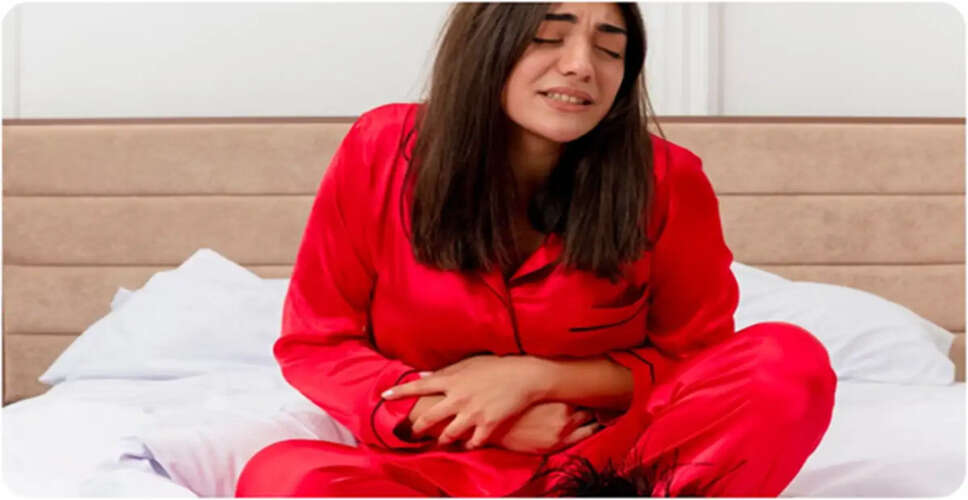
Endometriosis is characterized by severe pain during menstruation, frequent bloating, intense lower back pain, and discomfort during sexual activity. These symptoms may indicate the presence of this chronic disease, which affects approximately 10% of women of reproductive age globally. Many women endure this condition without a diagnosis for years, as initial symptoms are often mistaken for typical menstrual discomfort.
In endometriosis, tissue similar to the uterine lining grows outside the uterus, affecting areas like the ovaries and fallopian tubes. This tissue responds to hormonal changes each month but cannot exit the body, leading to inflammation, bleeding, and chronic pain.
Causes of Endometriosis
While the precise cause of endometriosis remains unclear, several factors may elevate the risk. Genetic predisposition, immune system abnormalities, and hormonal influences, particularly estrogen, are thought to play a role. If a close family member has been diagnosed with endometriosis, your likelihood of developing it may increase. Additionally, those who began menstruating early, have shorter cycles, or experience heavy menstrual bleeding may also be at greater risk.
Recognizing the Symptoms
One of the significant challenges with endometriosis is that its symptoms often mimic typical menstrual pain, leading to misdiagnosis. Key indicators include:
- Intense pain and cramping during menstruation.
- Abdominal or back pain during periods or between cycles.
- Heavy menstrual bleeding.
- Pain during sexual intercourse.
- Discomfort during bowel movements or urination.
- Gastrointestinal issues such as diarrhea, constipation, or bloating.
Conclusion
Understanding endometriosis is crucial for those experiencing its symptoms. Awareness can lead to earlier diagnosis and better management of this challenging condition.
PC Social Media