
Understanding Empty Nest Divorce: Causes and Solutions
What is Empty Nest Divorce?
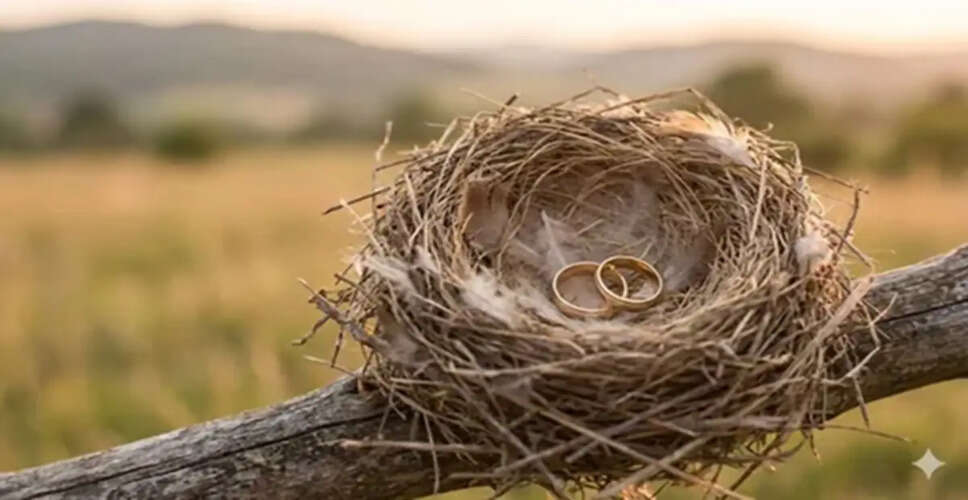
Empty nest divorce is an emerging concept in relationship dynamics. It describes the scenario where, after two to three decades of marriage, parents find themselves alone as their children move out for education or jobs. This often leads to the couple deciding to part ways shortly after their children leave, hence the term empty nest divorce.
Rising Trend of Divorce Among Older Couples
Historically, divorce was more common among newly married couples, but recent trends show an increase in separations among individuals in their 50s and 60s. Understanding the factors contributing to this shift is essential.
Reasons Behind Empty Nest Divorce
Child-Centric Parenting: For many couples, their lives revolve around their children. Years of discussions focused solely on parenting can leave couples feeling disconnected once the children leave home, leading to a sense of estrangement.
Long-Suppressed Differences: Many couples choose to overlook their differences for the sake of their children. Once the children are independent, they may feel liberated from their responsibilities, allowing long-standing resentments to surface, which can result in divorce.
Identity Crisis: This is particularly relevant for individuals whose identities have been tied to parenting. The absence of children can create feelings of emptiness, leading to emotional distress and withdrawal from their partner.
Prioritizing Personal Happiness: With advancements in healthcare, many individuals are now choosing to focus on their own happiness and well-being rather than remaining in an unfulfilling relationship. The stigma surrounding divorce in older age is also fading.
Preventing Empty Nest Divorce
Rediscover Friendships: Couples should engage in new activities together after their children leave home.
Open Communication: It’s important to discuss feelings and aspirations beyond just parenting topics.
Encourage Personal Space: Support each other in pursuing individual interests and hobbies.