
Understanding Diseases Without Cures: A Closer Look

The Evolution of Medical Treatments
Advancements in medical technology and innovative research have transformed the treatment landscape for numerous serious illnesses. Conditions that were once deemed fatal can now be effectively managed. For instance, HIV can now be controlled with medication, and advancements in cancer therapies have significantly improved patient survival rates.
Rapid Vaccine Development During the Pandemic
During the COVID-19 crisis, scientists achieved an extraordinary milestone by swiftly creating vaccines to combat the increasingly severe disease. Ongoing efforts by research teams aim to simplify and reduce the costs associated with treating chronic illnesses.
Common Ailments Lacking Specific Cures
Despite the progress made in treating diseases like cancer and HIV, there are still numerous prevalent ailments that remain without a definitive cure. Medical professionals often focus on symptom management rather than addressing the root causes of these conditions, which may surprise many.
**Dengue: A Persistent Challenge**
Currently, there is no specific treatment for Dengue. Physicians typically recommend medications to relieve symptoms such as fever, body aches, and low platelet counts. This viral infection is spread by the bite of the *Aedes* mosquito, and it can lead to dangerously low platelet levels, increasing the risk of bleeding. The primary approach to treatment includes staying hydrated, taking Paracetamol, and maintaining a nutritious diet.
**Chikungunya: Another Viral Threat**
Similar to Dengue, Chikungunya also lacks a definitive cure. This viral disease, transmitted by mosquitoes, is marked by severe joint pain and high fever. Treatment focuses on pain relief and rest, as there are no specific medications or vaccines available to prevent it.
**Rabies: A Deadly Disease**
Rabies is a highly dangerous viral infection spread through bites from infected animals, particularly dogs. Once symptoms appear, the disease is considered incurable and is fatal in 100% of cases. Initial symptoms include fever, headaches, and weakness, but it eventually affects the brain, causing hydrophobia. The only preventive measure is timely vaccination after exposure.
**Alzheimer's Disease: A Neurological Challenge**
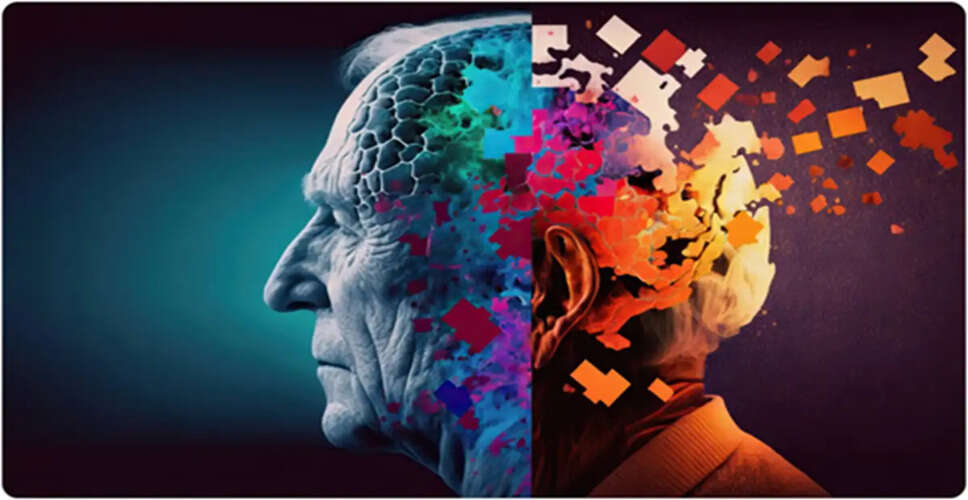
Alzheimer's is a progressive neurological disorder that leads to a gradual decline in memory and cognitive function, primarily affecting individuals over 60. Unfortunately, there is no cure for this condition. The disease causes the degeneration of brain cells, and treatment options are limited to medications that may slow symptom progression, but do not cure the disease.