
Understanding Diarrhea: Causes, Risks, and Remedies


What You Need to Know About Diarrhea
Diarrhea is a common health issue often linked to dietary or digestive problems. This condition can lead to a considerable loss of fluids, increasing the risk of dehydration, which can worsen existing health concerns.
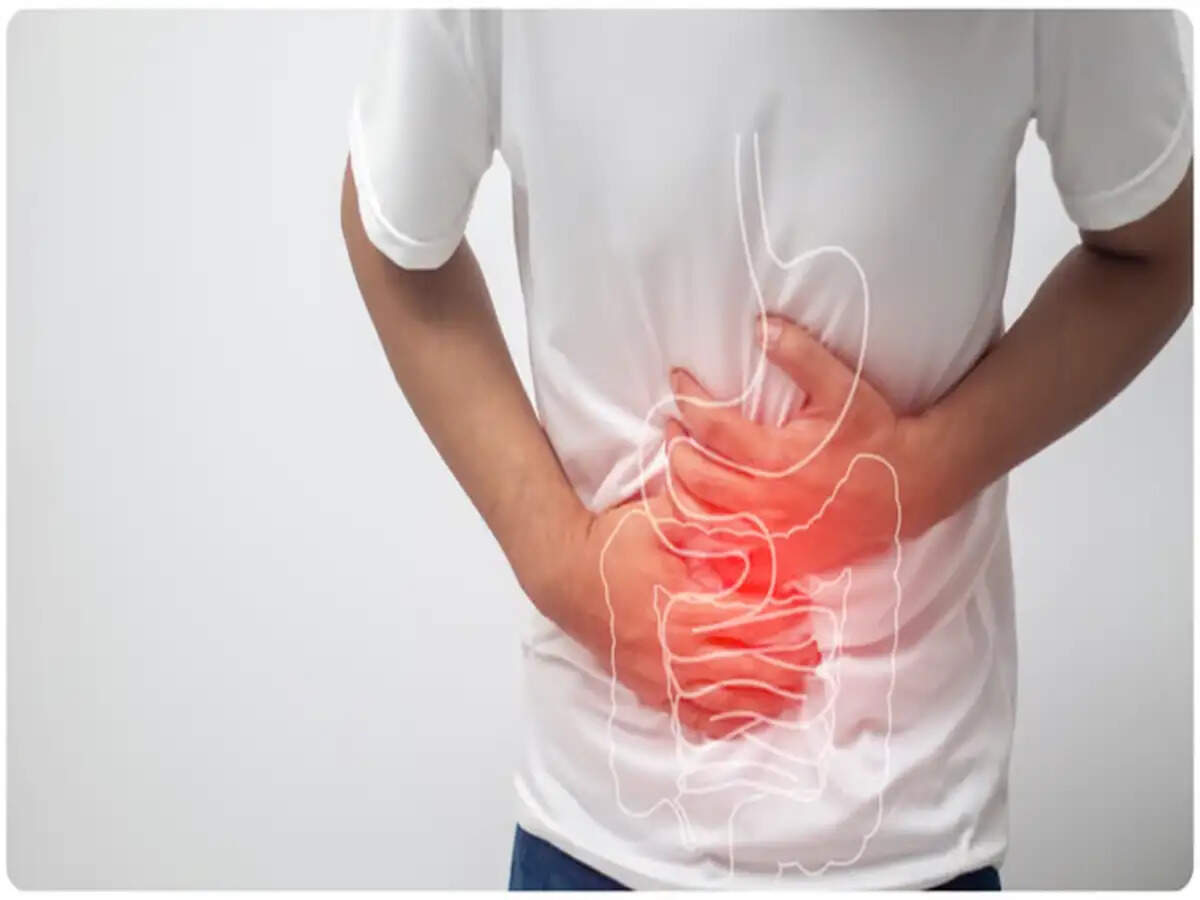
Many people mistakenly attribute frequent diarrhea to food poisoning. While contaminated food or water can be a cause, it is not the sole reason. Diarrhea can also arise from various factors, including viral, bacterial, and parasitic infections, certain medications, and digestive disorders.
The World Health Organization (WHO) defines diarrhea as the passage of loose or liquid stools three or more times a day, or more frequently than usual for an individual. The main concern with frequent diarrhea is dehydration, which involves a loss of vital fluids and minerals.
Let’s delve into other potential causes of diarrhea beyond food poisoning:
Infections from Viruses or Bacteria
Intestinal infections are a leading cause of diarrhea. These infections can be transmitted through contaminated water, improperly cooked food, poor hygiene during food preparation, or contact with infected individuals. Both viruses and bacteria can lead to diarrhea. If diarrhea is accompanied by symptoms like abdominal pain, vomiting, fever, or fatigue, it is crucial to seek medical attention.
Some individuals may struggle to digest lactose, a sugar present in milk. For these people, consuming milk or dairy products can trigger symptoms such as diarrhea, gas, and bloating, a condition known as lactose intolerance. Additionally, various foods can exacerbate diarrhea in certain individuals.
Medications and Their Side Effects
Did you know that some medications can cause diarrhea as a side effect? Certain antibiotics and antacids containing magnesium are known to lead to this issue. Antibiotics can disrupt the normal gut microbiome, resulting in digestive issues and diarrhea. If you notice diarrhea after starting a new medication, consult your doctor before making any changes to your treatment plan.
Intestinal Disorders and Diarrhea
Chronic or recurrent diarrhea may be associated with conditions such as Irritable Bowel Syndrome (IBS), celiac disease, or inflammatory bowel diseases. If diarrhea persists, or if you experience weight loss or blood in your stool, it is vital to seek medical evaluation. Conditions like IBS can significantly affect your health, making it essential to monitor symptoms and pursue appropriate medical care.
Managing Diarrhea Effectively
Frequent diarrhea can lead to substantial fluid and electrolyte loss. To combat dehydration, it is important to start using an Oral Rehydration Solution (ORS) as soon as diarrhea begins. For infants, continue breastfeeding, and do not completely stop eating.

Seek immediate medical help if you experience severe lethargy, an inability to keep fluids down, blood in your stool, or intense abdominal pain. Special care is necessary for young children, the elderly, and those with compromised immune systems. Dehydration can worsen conditions for individuals with blood pressure issues; thus, it is crucial to replenish fluids and electrolytes promptly during episodes of diarrhea or vomiting.
PC Social Media