
Understanding Diabetes: Symptoms, Risks, and Prevention Strategies


Recognizing Diabetes Symptoms
Diabetes Symptoms: Many individuals assess their health based on their overall feelings. If they have energy, sleep well, and do not encounter significant health issues, they often believe everything is fine. However, Type 2 diabetes can develop slowly, often without noticeable symptoms. The World Health Organization (WHO) indicates that diabetes symptoms can be so mild that it may take years for them to be recognized. This gradual onset is why diabetes statistics in India are alarming.
The Importance of Timely Testing
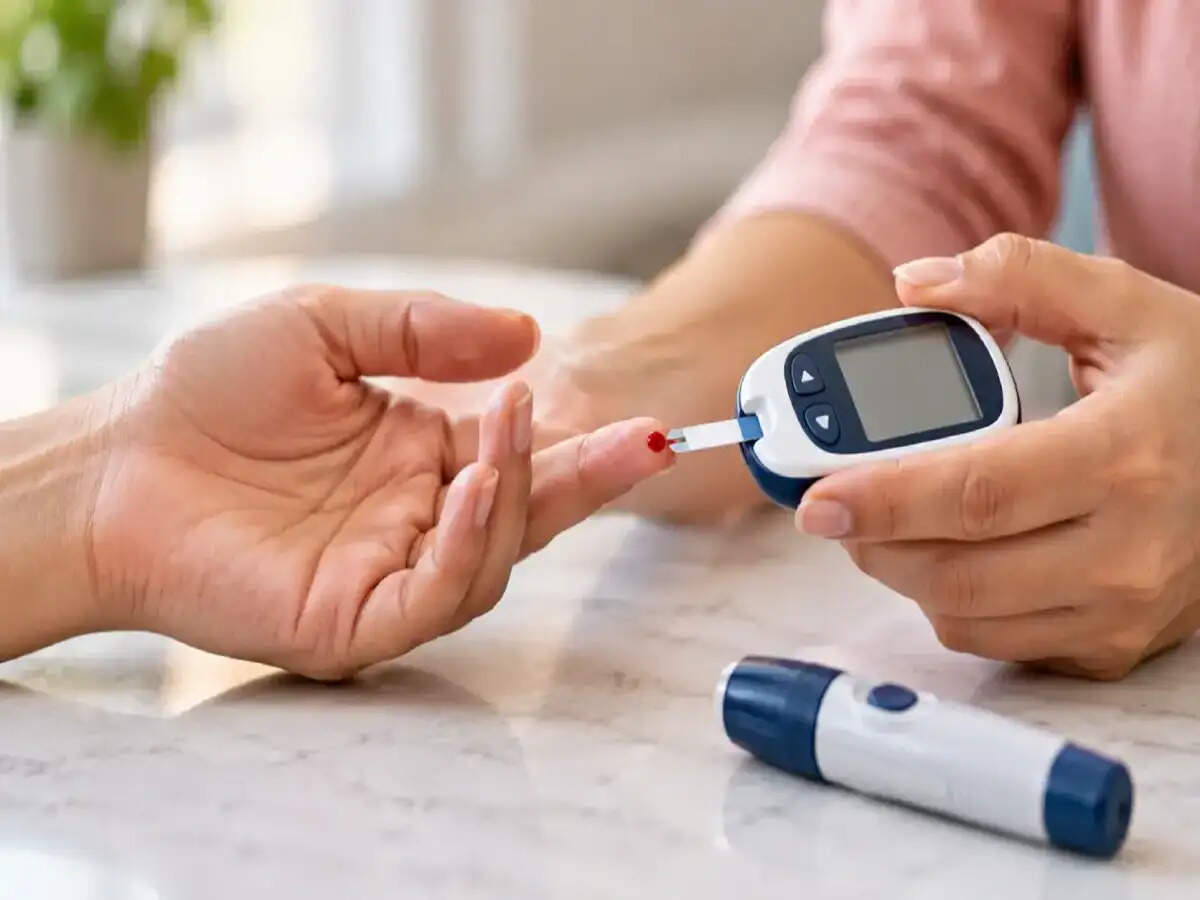
Failure to Get Tested in Time
The International Diabetes Federation (IDF) Diabetes Atlas reports that around 89.8 million individuals in India aged between 20 and 79 were living with diabetes in 2024, with 43% unaware of their condition. This means over 38 million people did not realize they had diabetes. If the body remains unaffected until diagnosis, it might not seem critical; however, prolonged elevated blood sugar can lead to damage to the heart, kidneys, eyes, and nerves.
Many individuals may live with Type 2 diabetes for years without being tested or diagnosed. By the time the condition is identified, complications may have already begun. Symptoms like excessive thirst, frequent urination, fatigue, or blurred vision are often mistaken for stress or fatigue.
Given the lengthy period it can take for symptoms to appear, early detection is crucial. This is the message behind this year’s World Diabetes Day theme: "Early Action on Diabetes." Timely screenings can also help identify those at risk of developing diabetes in the future.
Understanding Prediabetes
What is prediabetes?
The national ICMR-INDIAB study revealed that about 136 million people in India were classified as prediabetic in 2021. Prediabetes is characterized by blood sugar levels that are elevated but not yet high enough for a diabetes diagnosis. This stage has strong scientific backing showing that lifestyle changes can significantly lower the risk of developing Type 2 diabetes.
The Diabetes Prevention Program in the United States showed that substantial dietary and physical activity changes reduced the risk of Type 2 diabetes by 58% over three years. Similarly, the Indian Diabetes Prevention Program indicated that even moderate lifestyle changes could lower diabetes risk by 28.5% among individuals with impaired glucose tolerance. However, these findings do not apply to Type 1 diabetes, as the WHO states there is currently no proven prevention method for it.
Protecting Yourself from Diabetes
How can you protect yourself from the risk of diabetes?
Diabetologist Trijya Banerjee emphasizes that understanding your personal risk level is the first step in diabetes prevention. In India, this risk may not always present itself in the expected manner. Asian Indians often develop Type 2 diabetes at a younger age and lower body weight, largely due to fat accumulation around the abdomen. Therefore, body weight alone is not a reliable indicator of diabetes risk. The 'Indian Diabetes Risk Score' takes into account factors like age, waist circumference, family history of diabetes, and physical activity to identify individuals who should be screened for diabetes.
For those at higher risk, the WHO recommends engaging in at least 150 minutes of moderate-intensity physical activity weekly, maintaining a balanced diet, achieving a healthy weight, and avoiding tobacco. Experts advocate for raising awareness about diabetes and initiating discussions while individuals still feel healthy. Providing accurate information about risk and encouraging timely action is essential. Although it may take years for Type 2 diabetes symptoms to appear, we should not wait that long to identify the condition.
Stay Informed
PC Social Media