
Understanding Diabetes and Its Impact on Wound Healing

The Connection Between Diabetes and Wound Healing
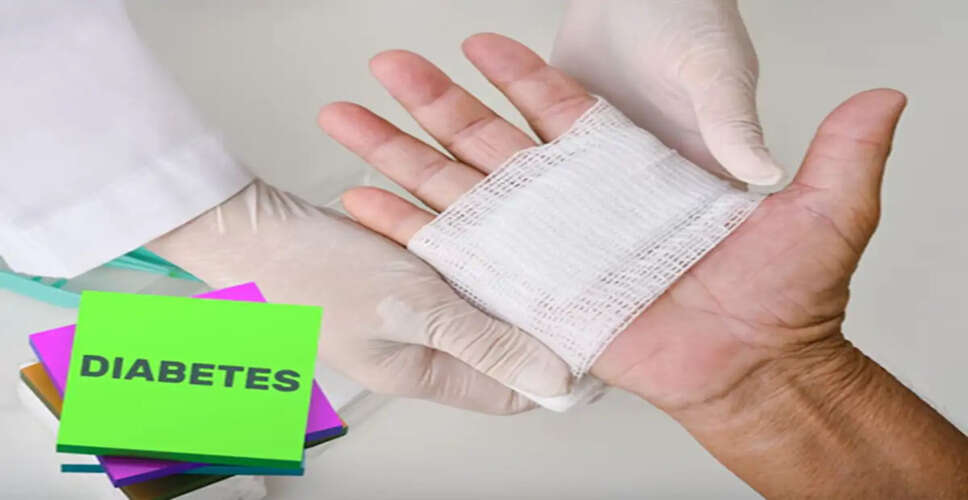
Diabetes and Wound Healing: For individuals living with diabetes, it is essential to keep blood sugar levels in check. When these levels are not controlled, they can adversely affect various organs in the body. Diabetes can disrupt several critical bodily functions, leading to a situation where even minor injuries take an extended time to heal. In diabetic patients, wounds often heal at a slower pace, and in some cases, these injuries can escalate to severe conditions, potentially becoming life-threatening. This raises an important question: why is the healing process for wounds in diabetic patients so prolonged? Let's explore the insights from a medical professional.
According to Dr. Paras Agarwal, a diabetes expert at Marengo Asia Hospital in Gurugram, elevated blood sugar levels significantly hinder the wound healing process. High glucose levels negatively impact blood circulation, which is crucial for delivering oxygen and vital nutrients to the wound area. This lack of proper blood flow slows down the formation of new cells, making it the primary reason for delayed healing in diabetic patients. Additionally, diabetes compromises the immune system, reducing the body's ability to combat infections. This vulnerability allows bacteria to easily invade the wound, heightening the risk of infection. Consequently, even minor injuries can escalate into severe infections if not treated promptly.
Dr. Agarwal further explains that diabetes can cause progressive nerve damage, known as Diabetic Neuropathy. This condition often results in a diminished sensation of pain or injury, leading patients to overlook wounds. As a result, timely medical intervention may be missed, allowing the wound to worsen. This issue is particularly common in the feet. Therefore, if a diabetic patient notices a wound on their feet or elsewhere, it is crucial to seek medical attention immediately. Even minor injuries can pose significant risks for those with diabetes.
Experts recommend that diabetic individuals maintain their blood sugar levels to facilitate wound healing and speed up recovery. Regular self-examinations of the feet and body are essential. Any cuts or injuries should not be ignored. In case of a wound, it is important to ensure cleanliness, apply antiseptic, and consult a healthcare provider if necessary. A balanced diet, consistent exercise, and timely medication also play vital roles in the healing process. It is important to recognize that delayed wound healing is a serious concern in diabetes; even small oversights can lead to major complications.
PC Social Media