
Understanding Dhanteras: Traditions and Significance

What is Dhanteras?
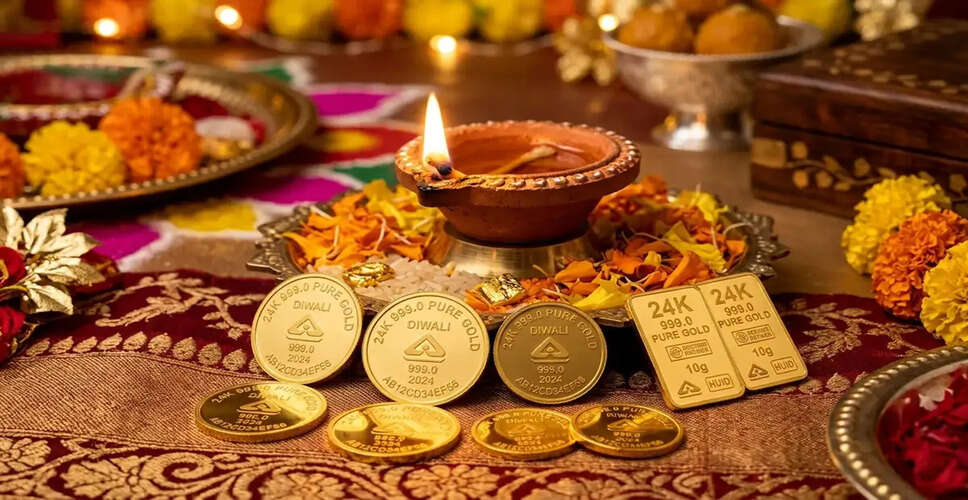
Dhanteras, also referred to as 'Dhantrayodashi', is a significant festival in Hinduism, as outlined in ancient texts. It is celebrated on the 13th day of the waning moon phase (Krishna Paksha) in the month of Kartika. This year, the festival will be observed on Friday, November 6, 2026.
Celebrations and Traditions
During Dhanteras, it is customary for families to clean their homes and buy items such as gold, silver, new utensils, and other goods. A notable tradition involves the worship of old coins and the purchase of earthen lamps (diyas).
The Importance of Worshipping Old Coins
**Significance of Worshipping Old Coins on Dhanteras**
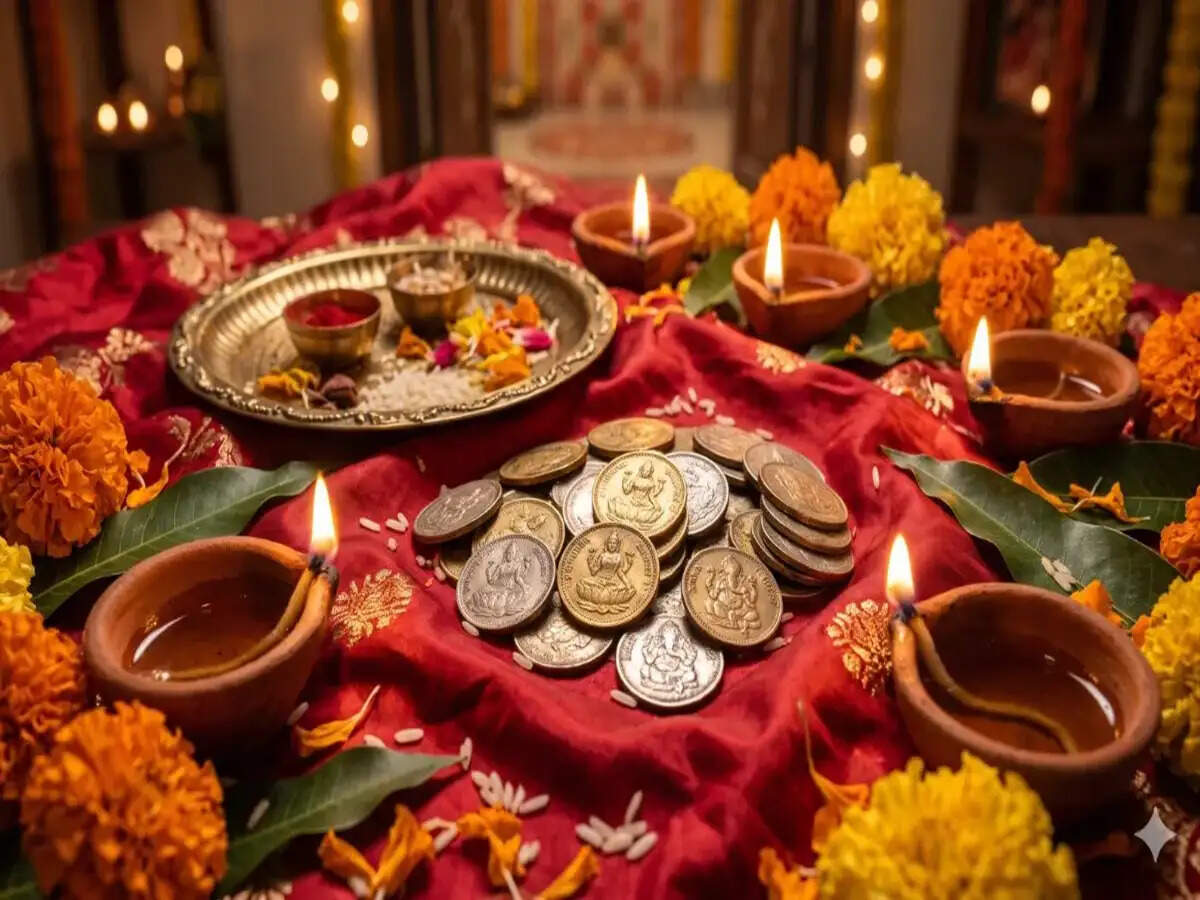
In numerous Hindu households, old coins made of silver or gold, often featuring images of Goddess Lakshmi and Lord Ganesha, are revered during Dhanteras. These coins symbolize the wealth and prosperity that have been preserved within families over generations.
Honoring these coins is believed to please Goddess Lakshmi, inviting joy and abundance into the home. They also signify a family's ancestral legacy, handed down as blessings from one generation to another. This act of worship is a way to show appreciation for one's ancestors.
It is customary to use these coins during the worship of Goddess Lakshmi and Lord Kubera on this auspicious day. After the rituals, the coins are cleaned, placed in a small cloth pouch, and stored in the household safe (tijori) for the year, ensuring a steady flow of wealth.
The Tradition of New Earthen Lamps
**The Tradition of Purchasing New Earthen Lamps (Diyas) on Dhanteras**
The custom of acquiring new earthen lamps on Dhanteras is linked to 'Yam Deepdan', which involves offering lamps to Lord Yama and seeking blessings from Goddess Lakshmi and Lord Dhanvantari. This practice is considered highly auspicious, as lighting these lamps is believed to eliminate negativity and attract positivity into the home, thereby protecting family happiness.

On the evening of Dhanteras, a lamp dedicated to Yamraj (the God of Death) is lit and placed in the southern part of the house. This ritual is thought to alleviate the fear of premature death and promote better health for the family.
Conclusion
PC Social Media