
Understanding Cholesterol: A Growing Concern for Younger Generations

The Importance of Monitoring Health Metrics
Maintaining optimal health involves more than just a balanced diet and active lifestyle; it also requires careful management of blood sugar and blood pressure levels. Elevated levels of these metrics can lead to serious health complications. For instance, high blood sugar can damage the eyes and nerves, while elevated blood pressure poses significant risks to heart and kidney health.
The Rising Concern of Cholesterol Levels
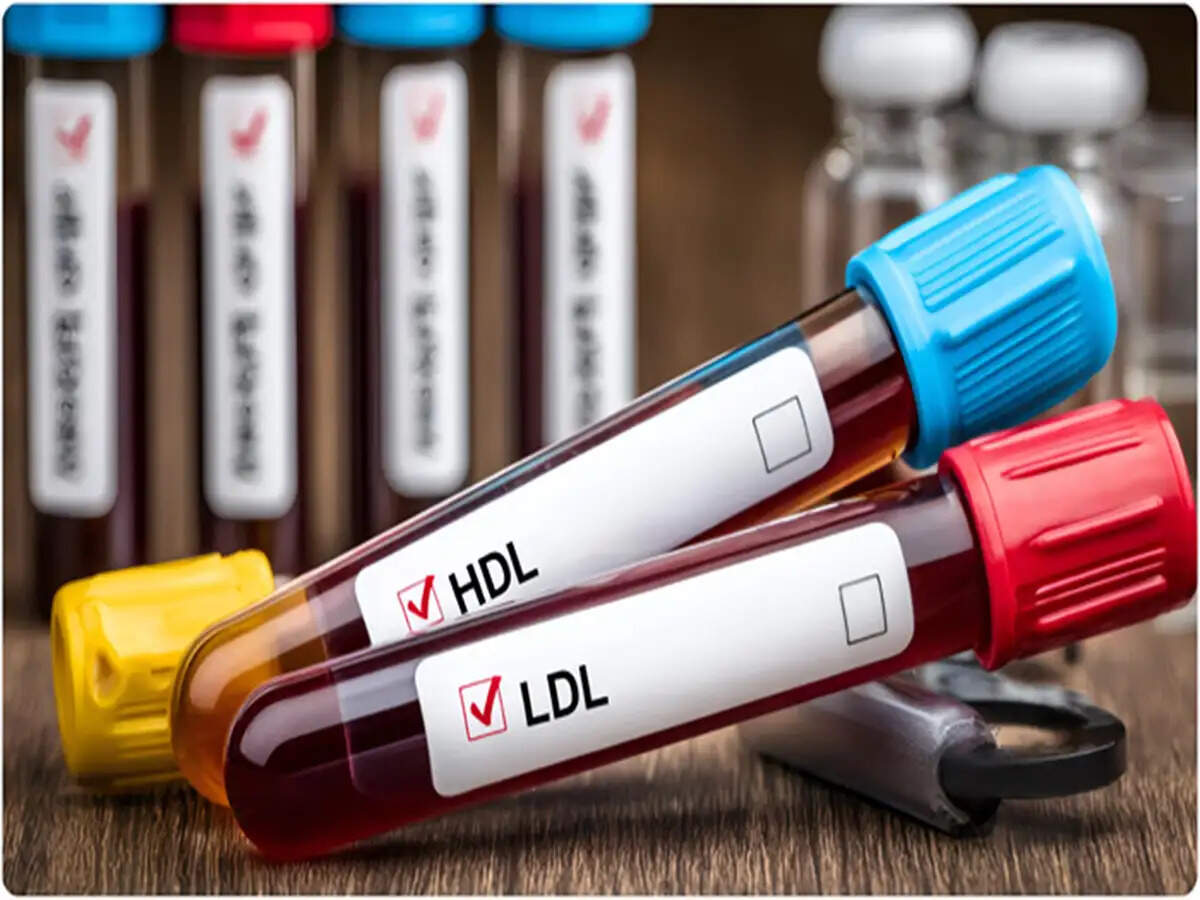
However, simply controlling blood sugar and blood pressure is insufficient. Persistently high cholesterol levels can also lead to serious health issues. Alarmingly, high cholesterol is now being detected in younger populations. It was once thought that cholesterol problems were primarily age-related, but recent trends show that even younger individuals are experiencing elevated levels of "bad" cholesterol.
Does Cholesterol Increase After 30?
Health professionals indicate that various lifestyle factors, dietary choices, and insufficient physical activity can elevate cholesterol levels. Sedentary behavior, frequent consumption of processed foods, late-night habits, and lack of exercise can adversely affect metabolism.
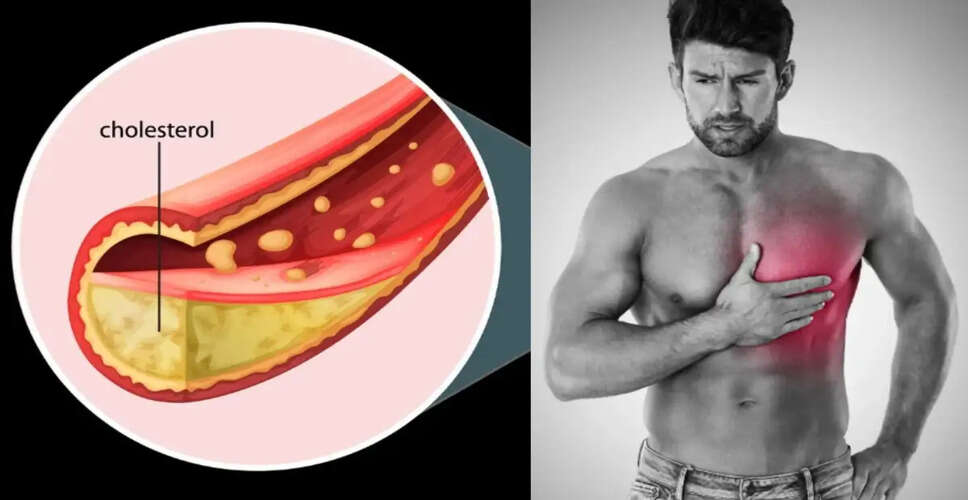
Moreover, genetic predispositions and medical conditions such as thyroid issues or diabetes can also lead to increased cholesterol levels. A troubling aspect is that high cholesterol often shows no obvious symptoms, leading individuals to mistakenly believe they are in good health while fatty deposits accumulate in their arteries.
Experts emphasize that the risks associated with blood sugar, blood pressure, and cholesterol significantly escalate after the age of 30, making regular cholesterol checks crucial starting at this age.
Factors Contributing to Elevated Cholesterol
In addition to lifestyle and dietary habits, certain health conditions can heighten the risk of high cholesterol. Prolonged sitting and lack of exercise can disrupt fat metabolism, leading to increased levels of "bad" cholesterol (LDL) and triglycerides. Consuming excessive amounts of fried foods, baked goods, trans fats, ghee, or butter can also elevate LDL cholesterol levels.
If there is a family history of high cholesterol, you may be predisposed to the condition, even at a young age. Additionally, diseases such as diabetes, hypothyroidism, and specific kidney disorders can impact cholesterol levels.
Strategies to Lower Cholesterol Risk
How can this risk be mitigated?
Guidelines from the American College of Cardiology and the American Heart Association recommend that adults start regular lipid profile screenings at age 19. Furthermore, adopting healthier lifestyle and dietary practices is vital for managing cholesterol levels.

Incorporate at least 30 minutes of brisk walking or other physical activities into your daily routine. Include foods rich in oats, lentils, fruits, vegetables, and fiber in your diet. Limit the intake of foods high in trans fats and saturated fats. Avoid smoking and strive to maintain a healthy weight.