
Understanding Child Psychology: Nurturing Positive Emotions in Kids

Child Psychology Insights
Child Psychology: Every parent aspires for their child to develop kindness, sensitivity, and respect for others. Yet, children can sometimes react with anger over minor issues, feel envious of others' achievements, or show negative attitudes towards specific individuals.
This leads to an important question: Are feelings of malice or hatred inherent in children, or do they emerge as they grow? Child psychology suggests that young ones gradually learn to comprehend and express their emotions. Complex feelings like malice usually stem from their experiences, surroundings, and social interactions, rather than being innate.
Various factors, including family dynamics, parental behavior, school experiences, peer interactions, and ongoing comparisons, significantly influence a child's emotional growth. If a child frequently feels belittled, overlooked, or is constantly compared unfavorably to others, they may develop insecurities, jealousy, and malice.
With appropriate guidance, open dialogue, and positive parenting techniques, children can be taught to recognize and manage their emotions in a healthy manner.
Learning Through Observation
Children learn best by observing and listening.
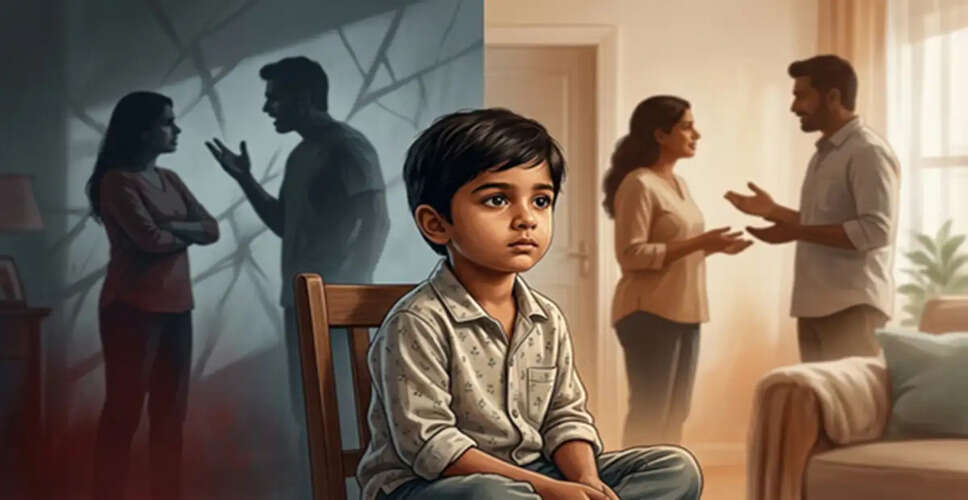
Children absorb lessons not only through verbal instructions but also by watching adult behavior. If they often witness conflicts, harsh words, or negative remarks about others at home, they may come to see such actions as acceptable. In contrast, a nurturing environment that promotes respectful communication, teamwork, and empathy encourages healthy emotional development.
The Impact of Comparisons
Constant comparison can breed negative emotions.
Comments like "Your friend excels more than you" or "Your sister always performs better" can damage a child's self-esteem. Such comparisons can lead to jealousy, feelings of inadequacy, and a negative perspective towards others. It's more beneficial to evaluate a child's progress against their own previous achievements.
The Role of Neglect and Emotional Distance
Neglect and emotional distance can also be contributing factors.
When children feel ignored or lack sufficient love and attention, they may develop negative feelings. Regular conversations, genuinely listening to their emotions, and recognizing their efforts can help build emotional security.
Influence of Social Media and Environment
Social media and the surrounding environment also play a role.
Today, children gain a lot of knowledge from the internet, television, games, and peers, in addition to their families. Frequent exposure to aggressive behavior, abusive language, or discriminatory content can shape their own behavior. Thus, parental guidance and careful selection of age-appropriate content are essential.
Guidance for Parents
What can parents do?
Listen attentively to your child.
Validate their feelings and discuss them calmly.
Avoid making comparisons.
Model respectful language and behavior at home.
Encourage empathy, cooperation, and sharing.
If a child's anger, aggression, or feelings of hatred persist and disrupt their daily life, seeking help from a qualified child psychologist or mental health professional may be beneficial.
Signs to Watch For
What signs should one look out for?
Persistent anger or irritability.
Intentionally bothering others.
Ongoing negative behavior towards a specific individual or group.
Difficulty in expressing emotions.
Withdrawal from friends or frequent arguments.
While these signs do not always indicate a serious issue, if they continue, it is wise to explore the underlying causes.
PC Social Media