
Understanding Chhath Puja: Fasting Rules and Family Involvement

Chhath Puja Fasting Guidelines
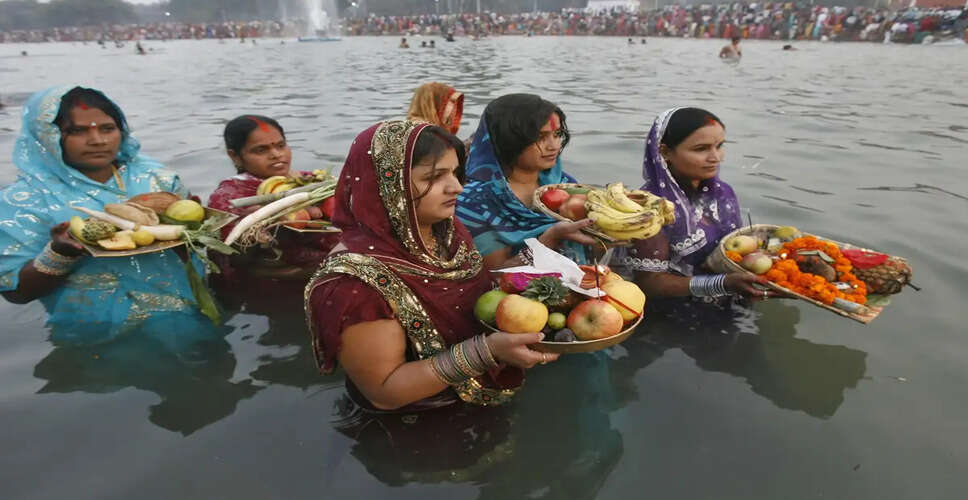
Chhath Puja Fasting Guidelines: The Chhath festival has commenced today with the 'Nahay-Khay' ritual. Individuals participating in the Chhath fast adhere to various regulations, including dietary restrictions and cleanliness standards. During this time, *sattvic* (pure) meals are prepared, and the consumption of onion and garlic is strictly prohibited. However, the question arises: do these restrictions apply solely to the fasting individual, or should other family members also refrain from these ingredients?
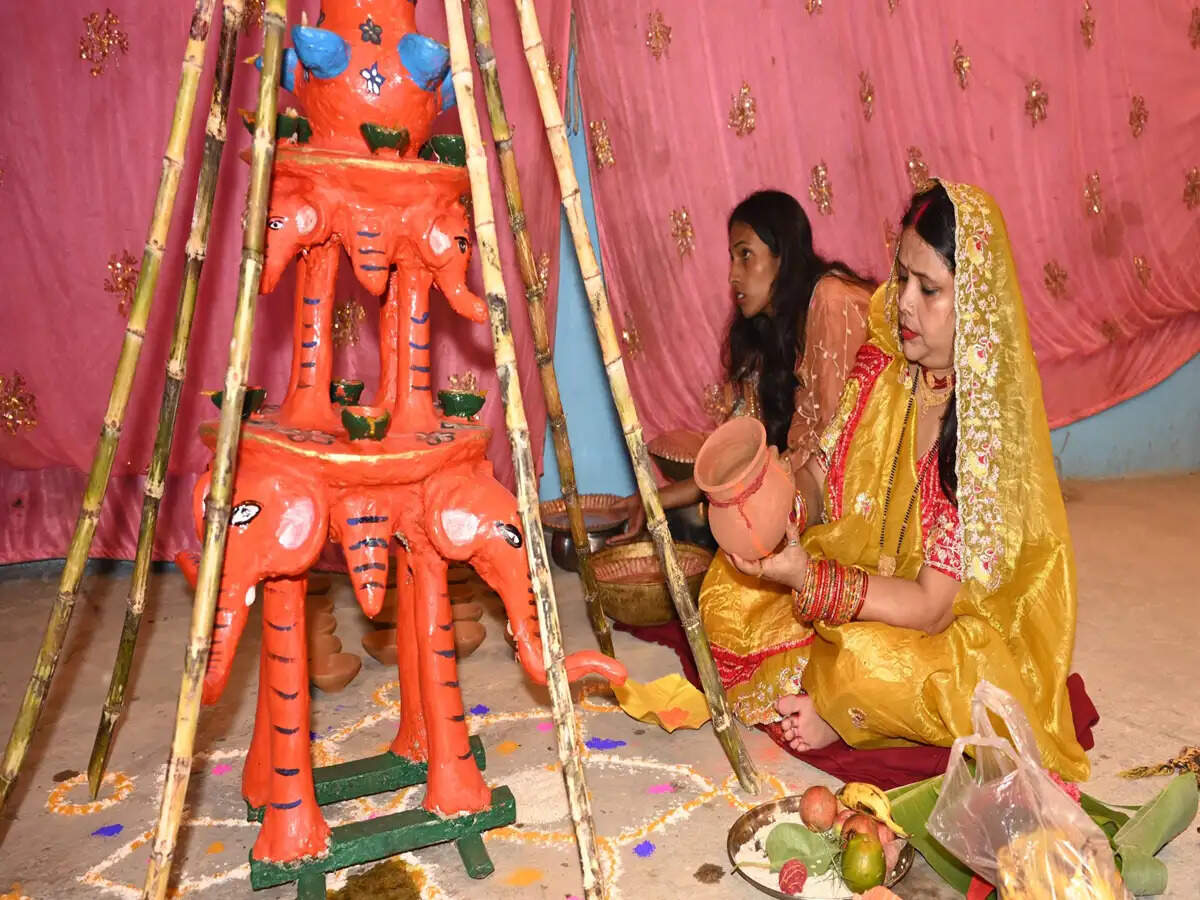
In essence, Chhath is not merely a festival for the fasting individual; it is a celebration that encompasses the beliefs and traditions of the entire family. As a result, specific dietary rules during this festival extend to all household members.
Family Participation in Dietary Practices During Chhath
Abstaining from onion and garlic during Chhath Puja is not exclusive to the fasting individual. In numerous families across Bihar, Jharkhand, and Eastern Uttar Pradesh, *sattvic* meals are prepared for everyone in the household throughout the four days of Chhath. Other family members also avoid consuming onion, garlic, meat, and fish.
A key reason for this collective adherence is that every household member plays a role in Chhath Puja, whether by preparing *prasad* (offerings), assisting with rituals, or accompanying the fasting individual to the *ghat* (riverbank). Thus, the dietary habits of the household are considered an essential aspect of the festival's customs. However, practices may differ from one family to another.
Why Are Onion and Garlic Avoided During Chhath Puja?
In religious contexts, onion and garlic are viewed as *tamasic* (impure) foods. In contrast, Chhath Puja emphasizes *sattvic* purity, cleanliness, and self-discipline. Consequently, these ingredients are excluded from the food and *prasad* prepared for the festival.
During Chhath, dishes such as *thekua*, *kheer*, rice, lentils, and others are made with great care regarding hygiene. Many households utilize separate cooking utensils and stoves specifically for preparing *prasad*. The person cooking is also expected to bathe and wear clean attire, and tasting the *prasad* is strictly forbidden.
Do All Family Members Need to Follow Dietary Restrictions During Chhath?
The four days of Chhath include the rituals of Nahay-Khay, Kharna, Sandhya Arghya, and Usha Arghya. Dietary rules commence with Nahay-Khay. On this day, those fasting consume a *sattvic* meal of *kaddu-bhat* (pumpkin and rice), *chana dal* (split Bengal gram), and rice. In many households, other family members also share this meal.
On Kharna, those fasting refrain from food and water all day and, in the evening, partake in *prasad* consisting of *gur ki kheer* (jaggery rice pudding) and *roti* (flatbread). Following this, a *nirjala* (waterless) fast lasting about 36 hours begins. During this time, those fasting abstain from both food and water. While other family members may eat normally, many households opt to prepare only *sattvic* food during this period.
It is crucial to note that the *nirjala* fast applies solely to the fasting individual, not to all family members. However, it is customary in many households for everyone to avoid onions, garlic, and non-vegetarian food.

Do Men in the Household Also Avoid Onions and Garlic During Chhath?
Yes, if a family adheres to the tradition of consuming only *sattvic* food during Chhath, then men must also refrain from onions and garlic. It is not solely women who can observe the Chhath fast; men can participate as well. A fasting individual is referred to as a *parvaitin* or *vrati*. Other family members, while not fasting, assist with *puja* (worship) preparations and ensure adherence to the established rules.
PC Social Media