
Understanding Chaturmas: A Sacred Time for Spiritual Growth

The Essence of Chaturmas in Sanatan Tradition
Chaturmas is a revered period in the Sanatan tradition, recognized for its emphasis on spiritual practices, self-discipline, and personal growth. This four-month span is particularly significant in both Hinduism and Jainism. During this time, followers engage in various forms of worship, including rituals, chanting, penance, acts of charity, fasting, meditation, and self-purification. According to the Hindu calendar, Chaturmas commences on Devshayani Ekadashi, which falls in the bright fortnight of the Ashadha month, and concludes on Devutthana Ekadashi in the bright fortnight of the Kartik month.
Historical Context Tied to the Monsoon
**Historical Context Tied to the Monsoon**
According to Varun Das, a scholar from Ayodhya, Chaturmas transcends mere religious observance; it serves as a chance to instill discipline in one’s life. Historically, the monsoon season would cause major rivers to overflow, making travel perilous due to the absence of bridges and resources. As a result, a guideline was established mandating that sages, saints, and ascetics remain in one location to focus on their spiritual practices.
Festivals Celebrated During Chaturmas
**Festivals Celebrated During Chaturmas**
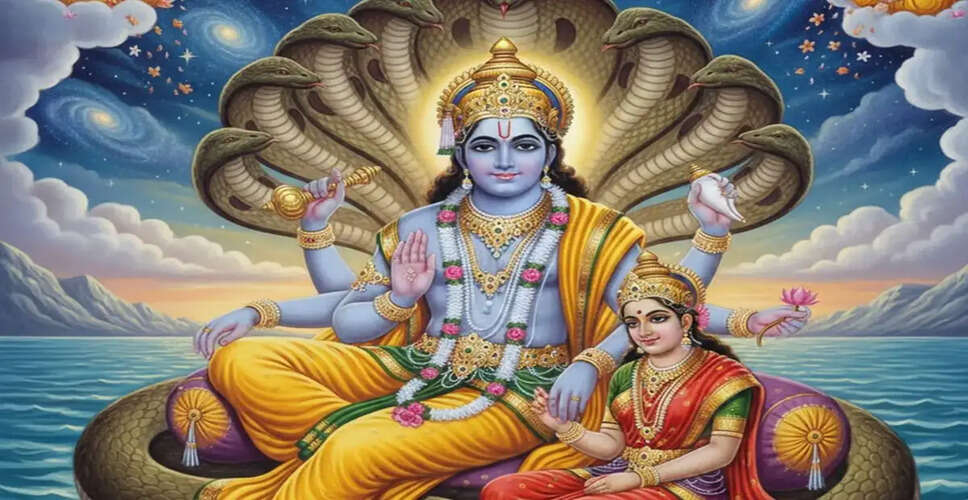
Devotees believe that Lord Vishnu enters a state of cosmic slumber, known as *Yoganidra*, on Devshayani Ekadashi and awakens on Devutthana Ekadashi. A multitude of significant festivals occur during these four months, including Shravan, Sawan Mondays, Jhulnotsav, Nag Panchami, Shri Krishna Janmashtami, Ganesh Chaturthi, Anant Chaturdash, Pitru Paksha, Sharadiya Navratri, and various spiritual observances in Kartik month. Thus, this entire duration is viewed as exceptionally auspicious from a religious standpoint.
Chaturmas in the Ramcharitmanas
**Chaturmas in the Ramcharitmanas**
Varun Das highlights that Lord Shri Ram also chose to stay in one place during the monsoon. This is referenced by Goswami Tulsidas in the *Kishkindha Kanda* of the *Ramcharitmanas*. Tulsidas notes that traveling during heavy rains is challenging, and journeys were deemed suitable only after the arrival of autumn. Therefore, Chaturmas is seen as a time for stillness, devotion, and spiritual practice.
Spiritual Practices During Chaturmas
**Spiritual Practices During Chaturmas**
During this sacred period, *Dandi Sannyasis* and various saints and sages remain in one location, halting their travels to engage in *Japa* (chanting), *Tapa* (austerities), religious discussions, and rituals. Devotees also commit to a *Sattvic* (pure) diet, a disciplined lifestyle, and a spirit of service.
Spiritual Benefits of Chaturmas
**Spiritual Benefits of Chaturmas**
It is believed that the acts of chanting, penance, charity, fasting, and service performed during Chaturmas yield significantly greater spiritual merit than those conducted on ordinary days. This is why the Sanatan tradition regards these four months as the most favorable time for introspection, spiritual practice, and personal advancement.