
Understanding Chandipura Virus: A Guide for Parents

Chandipura Virus in Children: A Growing Concern
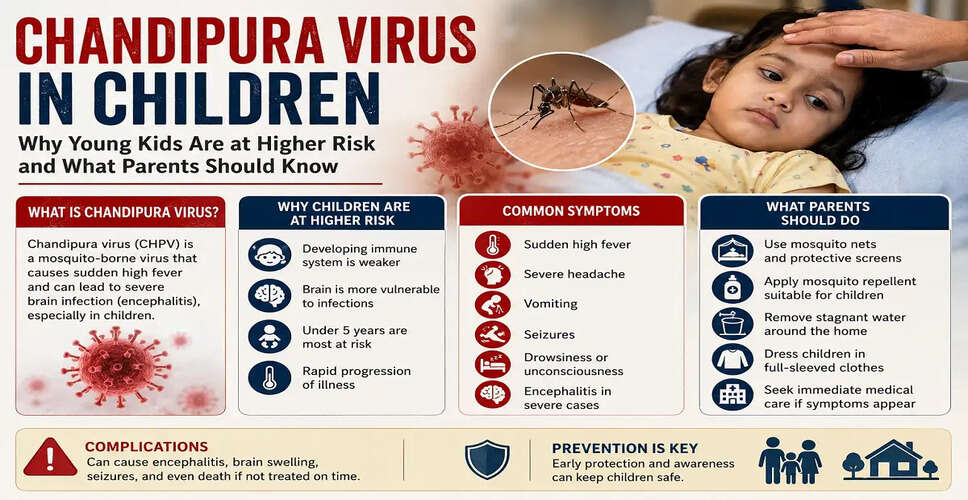
Health professionals are advising parents to be vigilant as cases of Chandipura virus (CHPV) are once again causing alarm in various regions of India. Although individuals of all ages can contract the virus, it has been particularly dangerous for young children, especially those under five years old, who have experienced the most severe cases and fatalities.
What Is Chandipura Virus?
Chandipura virus is a viral infection that has been documented in multiple areas of India over the years. It is associated with acute fever and can lead to serious complications, including encephalitis, which is inflammation of the brain. The rapid progression of the disease, particularly in young children, necessitates immediate medical intervention if symptoms arise.
Why Are Young Children More At Risk?
Experts explain that while the virus does not specifically target children, young children are more vulnerable due to their developing brains and nervous systems. This makes them less equipped to handle the severe inflammation that the virus can cause. Children under five have an immature blood-brain barrier, which typically protects the brain from harmful substances. Since this barrier is not fully developed, viruses and inflammatory responses can more easily penetrate brain tissue, leading to potential damage.
Impact of the Virus on the Brain
Once the Chandipura virus infiltrates the central nervous system, it can induce inflammation in the brain. The developing brains of young children may sustain damage from this swelling much more rapidly than in older children or adults. Delayed treatment can lead to swift neurological complications, heightening the risk of severe illness.
Recognizing Symptoms of Chandipura Virus
Parents should seek urgent medical assistance if their child exhibits any of the following symptoms:
- High fever
- Severe headache
- Vomiting
- Extreme weakness or unusual drowsiness
- Irritability or confusion
- Seizures
- Loss of consciousness
- Difficulty responding or abnormal behavior
Given that the condition can deteriorate rapidly, early hospitalization is crucial.
Importance of Early Diagnosis
Healthcare providers stress that early detection and treatment significantly enhance the likelihood of effectively managing the illness. Children exhibiting persistent high fever or neurological symptoms should not be treated at home without professional guidance. Timely evaluation enables healthcare professionals to offer supportive care and monitor for complications affecting the brain and nervous system.
Preventive Measures for Parents
While no single preventive strategy can completely eliminate the risk, parents can adopt several precautions:
- Use mosquito nets and repellents to protect children from insect bites.
- Maintain cleanliness in homes and surroundings to minimize insect breeding.
- Dress children in long-sleeved clothing, especially during evenings.
- Encourage good hygiene practices.
- Seek immediate medical attention if a child develops high fever or neurological symptoms.
When to Consult a Doctor
Medical professionals recommend that parents consult a doctor without delay if a child experiences:
- Persistent high fever
- Repeated vomiting
- Seizures
- Unusual sleepiness
- Difficulty waking up
- Sudden behavioral changes
- Loss of consciousness
Timely treatment is essential to reduce the risk of severe complications.
Conclusion
The recent rise in Chandipura virus cases serves as a crucial reminder for parents to stay alert, particularly during times when viral infections are prevalent. Although the virus does not exclusively affect children, young children—especially those under five—are at a heightened risk of severe illness due to their developing brains and nervous systems. Recognizing early symptoms and seeking prompt medical care can significantly improve outcomes. Parents should refrain from self-medicating and consult healthcare professionals whenever a child shows persistent fever or neurological symptoms.