
Understanding Blurred Vision: Causes and When to Seek Help


The Rise of Vision Problems in Younger Generations
Blurred vision or declining eyesight is increasingly affecting younger individuals and even children, rather than being solely an age-related concern. Many people tend to overlook this issue, thinking it merely indicates a need for a new prescription or that their eyes are fatigued. However, this assumption can be misleading, as various underlying health conditions may also contribute to eye health problems.
Health Conditions Impacting Vision
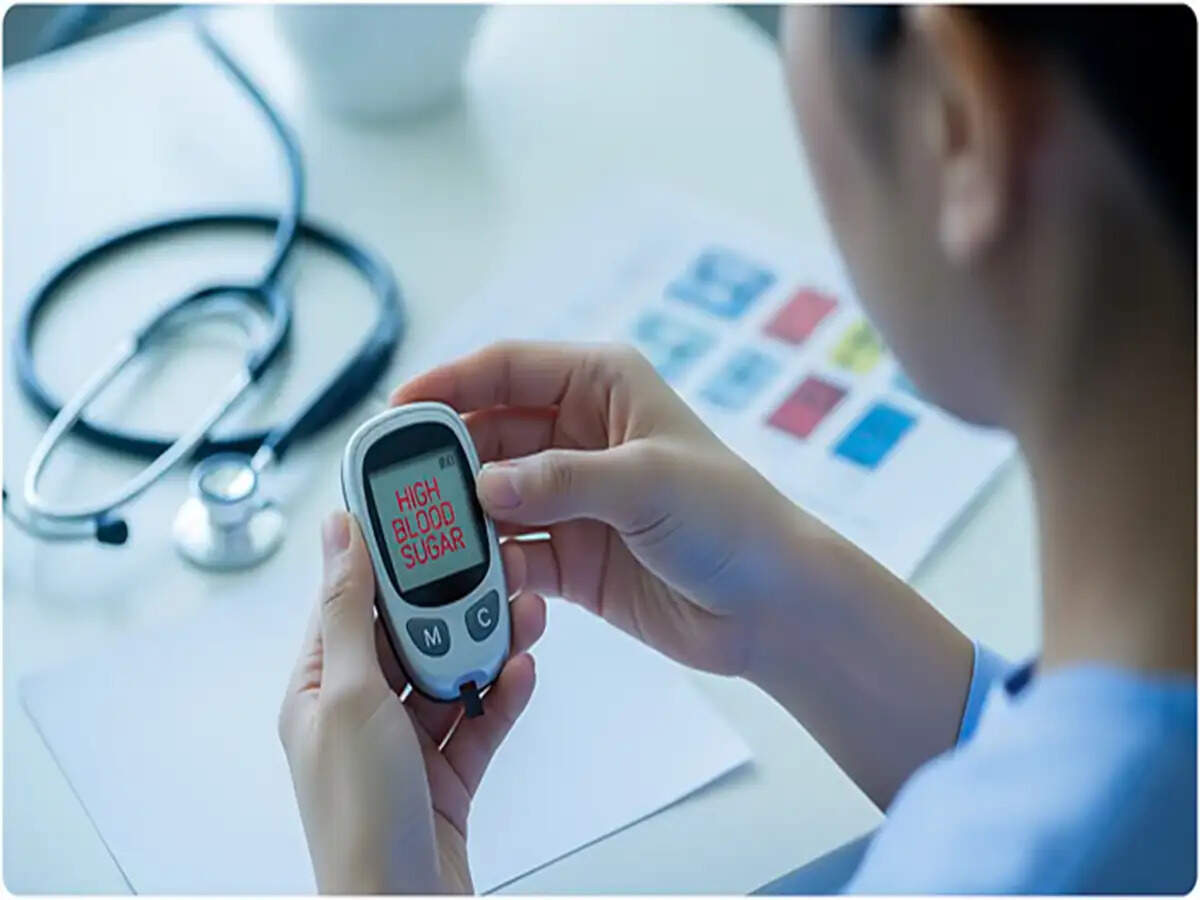
Reports indicate that factors such as high blood sugar levels, poor blood circulation to the brain, or pregnancy-related blood pressure issues can adversely affect vision. In some cases, sudden blurred vision may signal a serious health concern. Therefore, if you notice persistent vision changes or sudden impairment, it is crucial to consult a healthcare professional promptly.
Recognizing Eye-Related Issues
When vision clarity diminishes, it can disrupt daily tasks. You might struggle with reading, using digital devices, or seeing distant objects. Common indicators of poor vision include squinting, frequent blinking, or eye rubbing.
Experts emphasize that while blurred vision may seem like an isolated eye issue, it can stem from broader health problems. Thus, any sudden vision decline or onset of blurriness should be taken seriously.
Diabetes and Vision Impairment
Special Attention for Diabetic Individuals
If you are experiencing ongoing blurred vision, checking your blood sugar levels is vital. In diabetes, prolonged high blood sugar can damage the tiny blood vessels in the retina, leading to diabetic retinopathy. This condition can hinder blood flow to the eyes, resulting in vision deterioration. Initially, symptoms may be subtle, but as the condition advances, it can lead to blurred vision, spots in the visual field, and potentially even blindness. Poorly managed blood sugar levels can exacerbate this risk.
Stroke and Vision Changes
Link Between Vision Changes and Stroke
Sudden changes in vision can also indicate a stroke. During a stroke, the blood supply to the brain region responsible for vision may be disrupted, leading to immediate visual difficulties in one or both eyes. Other stroke symptoms may include dizziness, facial drooping, limb weakness, speech difficulties, and balance issues.
Seek Immediate Medical Attention
Act Quickly if Symptoms Arise
Health professionals often state that the eyes reflect overall health; thus, any sudden eye issues should not be ignored. Identifying the root causes and obtaining timely treatment is essential. Ignoring problems related to conditions like diabetes or strokes can lead to severe health repercussions.
Stay Informed and Proactive
PC Social Media