
Understanding Blue Light Glasses: Are They Effective for Eye Health?

The Rise of Blue Light Glasses
In today's digital age, many of us find ourselves glued to screens, whether it's our phones, laptops, or tablets. This increased screen time has led to a rise in complaints about eye strain and discomfort. As a result, the popularity of 'blue light' blocking glasses has surged recently.
Do Blue Light Glasses Really Protect Your Eyes?
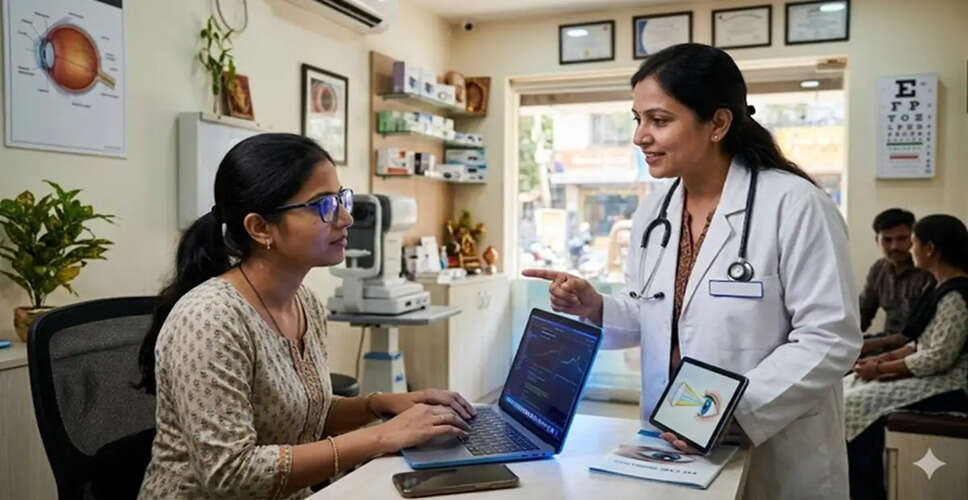
To gain insight into the effectiveness of these glasses, we consulted Dr. Purendra Bhasin, the Founder and Director of Ratan Jyoti Netralaya in Gwalior. He sheds light on whether these glasses are genuinely beneficial or just a passing fad.
**Understanding Blue Light and Its Effects**
Blue light is a type of high-energy visible light emitted by both digital devices and natural sunlight. Prolonged exposure to screens can lead to symptoms like dry eyes, irritation, fatigue, and headaches, collectively termed "Digital Eye Strain." Many people believe that blue light is the main cause of these issues.
Evaluating Claims vs. Scientific Evidence
**What Manufacturers Say**
Companies that produce blue light glasses claim their lenses block harmful blue light, thereby reducing eye strain and enhancing sleep quality, as blue light can disrupt sleep hormones. However, scientific studies do not fully support these assertions. Research indicates that:
Blue light glasses may not effectively reduce eye fatigue.
The real culprits behind eye discomfort are often prolonged screen time without breaks, poor posture, and infrequent blinking, rather than blue light itself. Thus, simply wearing glasses won't address the underlying issues.
Are There Any Benefits to Wearing These Glasses?
Some users report experiencing relief when using blue light glasses, particularly those who work late on screens. While they may provide slight comfort or improve sleep quality, they should not be viewed as a comprehensive solution for eye protection.
Effective Strategies for Eye Care
Dr. Purendra Bhasin emphasizes that improving habits is more crucial than relying solely on eyewear for eye health:
**Follow the 20-20-20 Rule:** Every 20 minutes, take a break from your screen and focus on something 20 feet away for at least 20 seconds.
**Remember to Blink:** We often forget to blink while using screens. Regular blinking keeps the eyes moist and prevents dryness.
**Adjust Screen Settings:** Ensure your screen brightness is comfortable and maintain a proper distance from your eyes.
**Prioritize Sleep:** Quality sleep is essential for reducing eye fatigue.
While blue light glasses may provide some relief, developing healthy habits and taking regular breaks are the most effective ways to maintain eye health.
Stay Connected
PC Social Media