
Understanding and Overcoming Children's Fear of the Dark
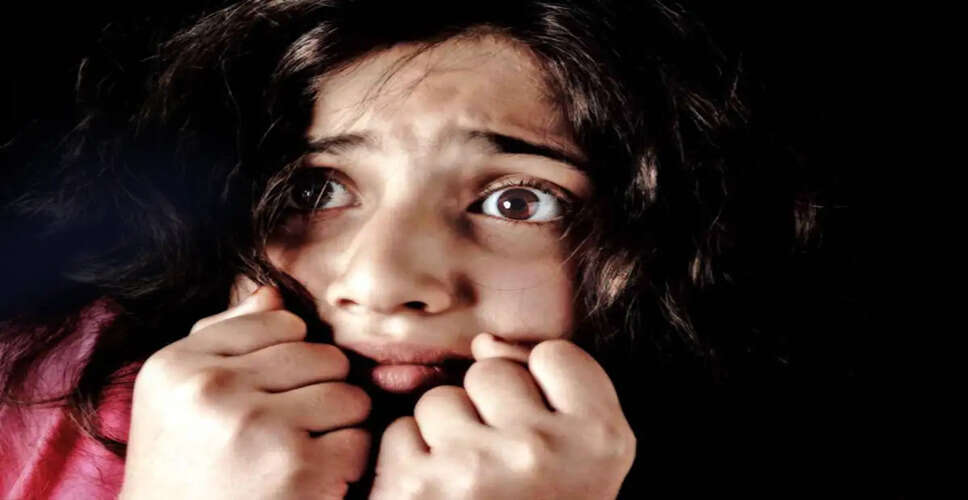

Addressing Fear of Darkness in Children
Many parents today express concerns about their children being afraid to enter dark rooms alone. If your child exhibits this fear, it is essential not to dismiss it. Experts warn that neglecting this issue can adversely affect a child's sleep quality, focus, and self-esteem.
**Understanding 'Nyctophobia'**
Psychologists recognize that fear of the dark, known as 'nyctophobia,' is quite common among young children. This fear often stems from being alone in the dark or confronting the unknown. In many cases, this fear can become excessive, leading to sleep disturbances and impacting daily life.
**Causes of Fear of the Dark**
Experts explain that a child's imagination flourishes between the ages of two and six, making it difficult for them to differentiate between reality and fantasy. As a result, a mere shadow can be perceived as a frightening creature.
Moreover, humans have an inherent caution towards darkness, which can be exacerbated by parents telling ghost stories or using monsters as a means of discipline, inadvertently creating lasting fears.
Other factors contributing to this fear include frightening movies, mobile games, a stressful home environment, traumatic incidents, and a naturally sensitive disposition. Understanding these causes is vital for helping children overcome their fears.
**Strategies for Support**
It is crucial to avoid misleading children with falsehoods. Instead of instilling fear, encourage them to confront their anxieties with bravery. Reassure them that darkness is a normal part of life and that you are there to support them.
Rather than abruptly eliminating their fear, start by engaging in play in dim lighting and gradually help them adjust to the dark. Establish a consistent bedtime routine, share enjoyable stories before sleep, and promote outdoor activities during the day. Remember to commend your child when they manage to stay in the dark for a short time without fear.
**Engaging Activities in the Dark**
Clinical psychologist Dr. Aarti Anand suggests that if your child is fearful of the dark, patience is key. Calmly explain the situation and reassure them of their safety by entering the dark room first. Avoid using dark rooms as a form of punishment, as this can heighten their anxiety. Keep a soft light on during bedtime. Through fun activities, encourage them to spend brief moments in a dark room, and celebrate their bravery when they emerge. This approach can help build their confidence and gradually lessen their fear of darkness.
PC Social Media