
Understanding and Addressing Bullying in Schools
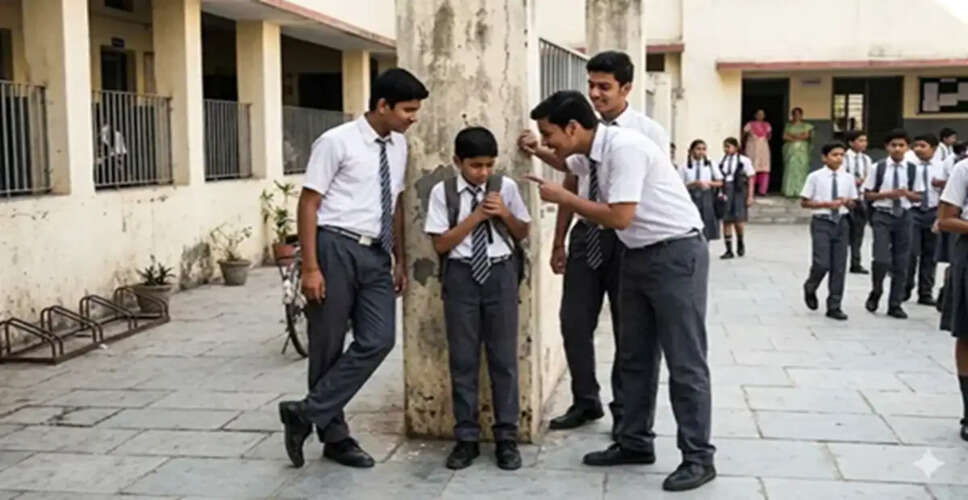

The Role of Schools in Child Development
Schools serve as more than just educational institutions; they play a vital role in shaping a child's confidence and personality. Thus, it is essential to focus on the school atmosphere and the treatment of children within it. Unfortunately, bullying can be a significant issue that some children face.
The Consequences of Bullying
Bullying can lead to both physical injuries and severe emotional distress. It can diminish a child's self-worth and, in extreme cases, lead them to contemplate drastic actions such as suicide. It is crucial for both parents and educators to identify the signs of bullying to provide necessary support. Let's explore these indicators.
Defining Bullying
What is bullying?
Bullying is characterized by the intentional and repeated infliction of harm on a child, whether physical, mental, or emotional. This can manifest as teasing, pushing, verbal insults, intimidation, public shaming, or online harassment (cyberbullying).
Identifying Signs of Bullying
How can you tell if a child is being bullied?
It is important to watch for specific behavioral changes in your child.
Behavioral shifts – If a child suddenly becomes withdrawn, irritable, or starts to isolate themselves from friends, it may indicate bullying.
Avoidance of school – Frequent excuses to skip school can signal fear stemming from bullying experiences.
Physical indicators – Regular injuries, damaged clothing, or missing belongings may suggest bullying is occurring.
Academic and Emotional Impact
Academic decline – A noticeable drop in grades, difficulty concentrating, or reduced involvement in class activities can be significant warning signs.
Sleep and appetite issues – Children may experience sleep disturbances or nightmares, and often their appetite may diminish. A lack of self-esteem, where a child feels inferior or constantly blames themselves, can also be a sign of bullying.
How Parents and Teachers Can Help
What can parents and teachers do in such situations?
Engage in daily conversations with children and pay attention to the details they share.
Encourage children to express their problems openly.
Understand the school's anti-bullying policy and discuss it with your child.
Consider providing self-defense training.
Communicate with the child's teachers regarding the issue.
If necessary, seek assistance from a counselor or therapist.
Conclusion
PC Social Media