
Understanding Ahoi Ashtami: Significance and Rituals

Celebrating Ahoi Ashtami
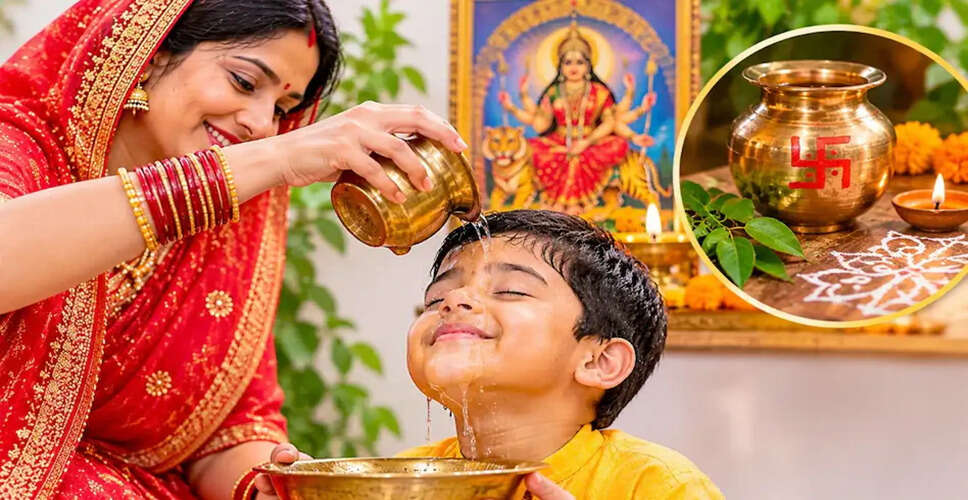
Today, November 1st, marks the observance of Ahoi Ashtami according to the Vedic calendar. This day is significant for women who fast, praying for the health and longevity of their children. The fast is traditionally observed as *nirjala*, meaning no water is consumed, and it is concluded only after the evening worship of the stars.
The Essence of Ahoi Mata
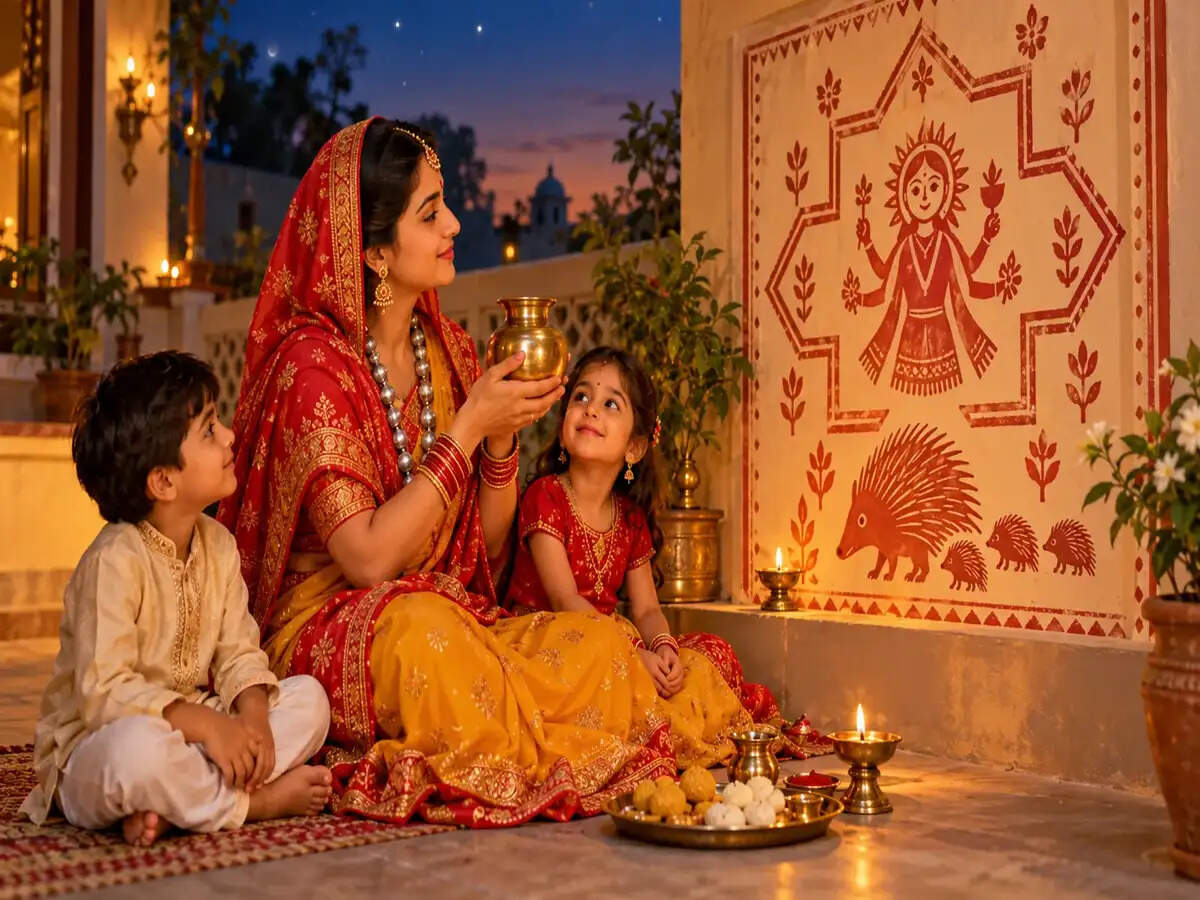
Ahoi Mata is revered as a form of Goddess Parvati, primarily recognized as a guardian of children. Her worship is believed to bring prosperity and happiness to families. According to ancient legends, Ahoi Mata is depicted in a form reminiscent of a porcupine (*sahi*). The tale narrates that a woman, while tending to her field, accidentally harmed porcupine younglings. Overcome with grief, she prayed to Goddess Parvati for forgiveness. The Goddess, pleased with her remorse, assured her that her children would be safe. This form of Goddess Parvati is what is now honored as Ahoi Mata, also referred to as 'Syahu Mata.'
Visual Representation of Ahoi Mata
How is Ahoi Mata Represented?
Ahoi Mata is often depicted as an incarnation of Goddess Parvati. Her image is typically created on walls using *geru* (red ochre) or on paper, showcasing an eight-cornered figure symbolizing a house or the deity itself. Alongside her image, representations of a porcupine and its young are included, reflecting the associated mythology. The depiction also features celestial bodies like the sun and moon.
Importance of Ahoi Ashtami Vrat
Why Observe the Ahoi Ashtami Fast?
The narrative surrounding the Ahoi Ashtami fast is closely tied to the porcupine and its offspring. Observing this fast is believed to grant children longevity and good health, while also promoting positive energy within the household. Additionally, it is thought that childless women who partake in this fast may be blessed with the joy of motherhood. The worship of Ahoi Mata is indeed captivating, as it is believed to bestow blessings of long life and health upon children.
Conclusion
Through the observance of Ahoi Ashtami, devotees seek the blessings of Ahoi Mata for their children's well-being and longevity.