
Transforming Summer Break into a Life Skills Learning Experience

Embracing Home Learning This Summer
Saloni has decided against sending her children to summer camp this year. With inflation on the rise and the intense heat making travel challenging, she prefers to keep them at home. Instead, she aims to teach them about sharing responsibilities. Although her daughter had intended to join a DIY class, Saloni is now encouraging her to create projects using materials available at home.
Nurturing Skills Through Daily Routines
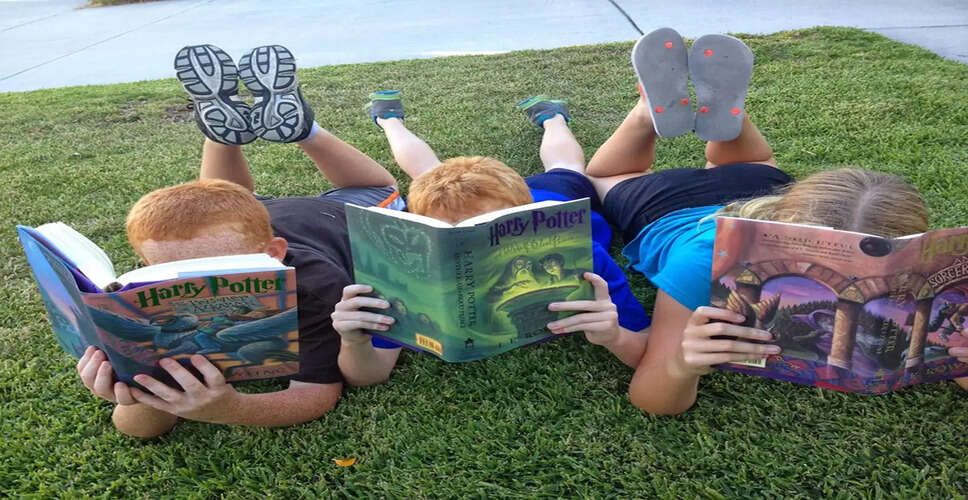
For her son, Saloni plans to focus on household chores and basic financial literacy. Many parents who grew up in the 70s and 80s often reminisce about their summer vacations, which were filled with practical learning experiences. Back then, children had structured routines and specific tasks, such as making beds on the terrace, filling water bottles, watering plants, crafting with household items, reading in the afternoons, and taking walks. They learned valuable skills through play by helping with food preparation and other household activities.
Creating a Life Skills Camp at Home
**Make the Start Easy**
This summer, consider turning your home into a "life skills camp" where children can learn essential habits and skills under parental guidance. These experiences promote independence and teach children how to learn from their mistakes. In a world where instant gratification is common, simple and engaging strategies can help impart vital life skills that enhance their personal, social, domestic, and financial abilities.
Encouraging Participation and Growth
**Perfect Parenting**
Avoid forcing activities on your children. Instead, involve them in the decision-making process to keep their interest alive. Document their achievements and consistently offer encouragement and praise. For these initiatives to be effective, parents should model the behaviors they wish to instill in their children. Understand that perfection is not expected from the outset; instead of reprimanding, provide guidance and highlight the importance of learning.
Building Essential Skills for Independence
**Building the Future, Today**
Focus on teaching everyday household tasks. Simple actions like making the bed, organizing belongings, and cooking are foundational steps toward independence. Involve children in planning meals, creating shopping lists, and even grocery shopping. Teach them practical skills such as ironing, sewing buttons, sorting laundry, and chopping vegetables. Ensure that all tasks are age-appropriate and supervised. For older children, introduce safe gas stove usage and basic first aid.
Instilling Financial Literacy and Responsibility
**Fostering Responsibility**
Use school holidays to educate children about financial management, including budgeting and banking. Since cash transactions are less common today, explain the workings of banks, ATMs, and savings accounts. Involve them in grocery shopping and share tips for making smart purchases. While teaching them about online banking, emphasize security measures. Financial literacy empowers children to make informed decisions. Additionally, instruct them on internet safety, understanding their carbon footprint, and maintaining respectful online behavior.
Mastering Time Management
**Now, Let's Talk About Time**
Teaching effective time management is crucial. Help children create practical "to-do lists" or daily schedules that they can realistically follow. Engage them in project-based activities at home to encourage creativity and teamwork, such as starting a kitchen garden, compiling a family photo album, or organizing books like a library.
Engaging with Social Media
PC Social Media