
Top Iron-Rich Foods to Boost Your Health
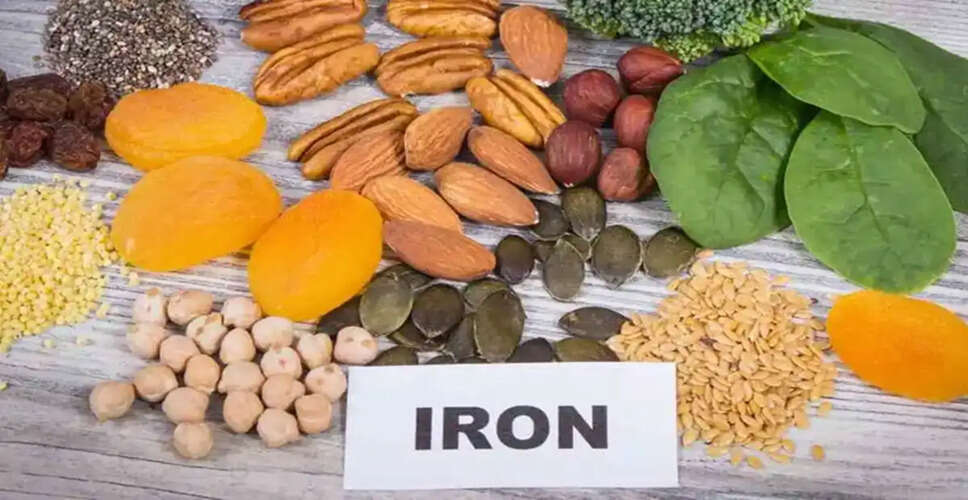

Understanding the Importance of Iron
Iron-Rich Foods: Iron is a vital nutrient that our body requires for various functions. It is essential for the production of hemoglobin, which is responsible for transporting oxygen throughout the body. A lack of iron can result in symptoms like fatigue, weakness, dizziness, shortness of breath, and anemia.
Vegetarian Sources of Iron
Many people mistakenly think that iron is only present in meat. However, numerous vegetarian options are also rich in iron, and incorporating these foods into your diet can help fulfill your iron needs.
Additionally, pairing iron-rich foods with those high in Vitamin C can significantly enhance iron absorption. Therefore, if you're a vegetarian looking to increase your iron intake, consider adding these specific foods to your meals.
Spinach: A Green Powerhouse
Spinach
Spinach is renowned for being one of the best sources of iron among green vegetables. It is also packed with fiber, Vitamin A, Vitamin C, calcium, and various antioxidants. Regularly eating spinach can help maintain healthy hemoglobin levels, and the Vitamin C it contains further aids in iron absorption. You can enjoy spinach in various forms, such as in salads, soups, smoothies, or juices.
Black Chickpeas: Nutrient-Dense Legumes
Black Chickpeas (Kala Chana)
Black chickpeas are an excellent iron source for those following a vegetarian diet. They are rich in protein, fiber, and essential minerals. Eating sprouted chickpeas can enhance the absorption of their nutrients. Regular consumption can energize the body and help combat weakness associated with iron deficiency. They can be enjoyed in salads, *chaat*, or simply boiled as a nutritious snack.
Jaggery: A Natural Sweetener
Jaggery (Gur)
Jaggery is a natural source of iron and is often recommended in rural areas to help boost blood iron levels. It not only replenishes iron but also supports digestive health. Consuming a small piece of jaggery after meals can provide energy and help alleviate fatigue.
Sesame Seeds: Tiny Nutritional Giants
Sesame Seeds
Both black and white sesame seeds are rich in iron and also provide calcium, magnesium, and healthy fats, which are beneficial for bone health. They can be enjoyed in various forms, such as *ladoos* (sweet balls), chutney, or sprinkled on salads. Regular intake of sesame seeds can help address iron deficiency.
Soybeans: A Nutritional Powerhouse
Soybeans
Soybeans are a fantastic source of both protein and iron, making them especially valuable for vegetarians. The iron in soybeans supports red blood cell production. They are also rich in protein, fiber, and essential amino acids. You can consume soybeans as soy chunks, soy milk, or in various dishes. Including soybeans in your diet can help meet your nutritional requirements.
Stay Healthy with Iron-Rich Foods
PC Social Media