
Tips for Selecting the Ideal Coconut: Water vs. Cream

How to Choose the Perfect Coconut
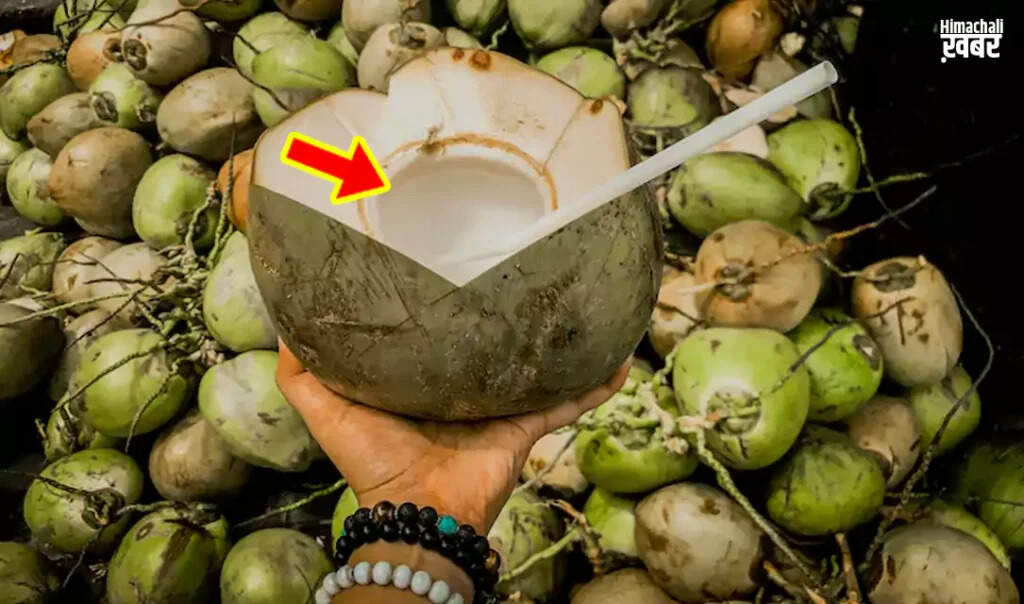
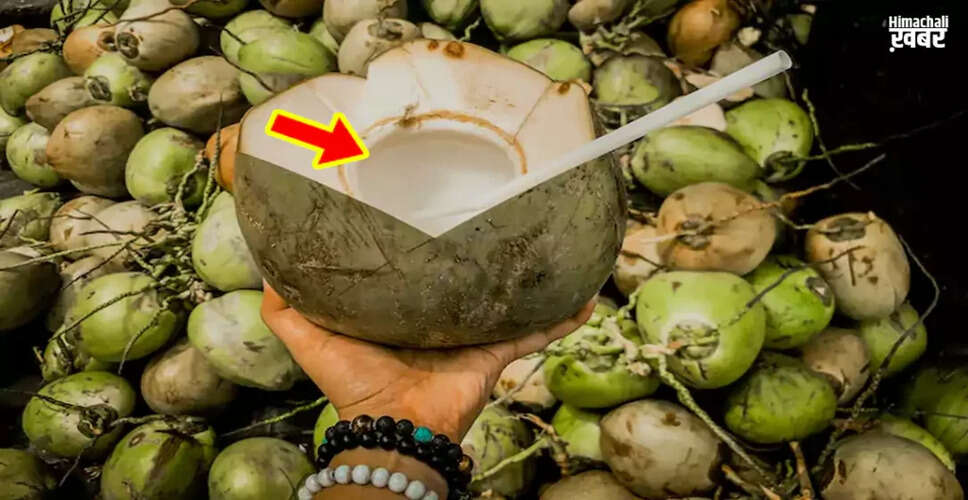
When shopping for coconuts, it's essential to check how much water they contain. Some individuals prefer coconuts based on the amount of cream inside. Often, you might find that a coconut has either too little water or insufficient cream, leading to disappointment. Determining the right balance of water and cream in a coconut can feel like an art form! If you're looking to buy the perfect coconut, these tips will help you quickly identify whether it has more water or cream.
Identifying Water vs. Cream in Coconuts
How to Identify Whether Coconut Has Maximum Water or Cream?
Shake the Coconut
When you go to purchase a coconut, give it a shake. Bring it close to your ear; if you hear a strong sloshing sound, it indicates that the coconut has more water and less cream. Conversely, if the sound is faint, it may contain more cream.
Check the Weight of the Coconut
Lift the coconut and feel its weight. A lighter coconut is likely to have more water, while a heavier one usually indicates a higher cream content.
Examine the Coconut's 'Eyes'
The top of the coconut features three circular marks known as 'eyes.' If these pits appear dark, hard, and dry, the coconut is likely old and may contain more cream. On the other hand, if they look soft and light, it suggests a higher water content.
Touch the Outer Shell
If the outer shell of the coconut feels smooth and shiny, it is more likely to contain water. In contrast, a rough and dry exterior suggests a higher cream content.