
Tips for Perfectly Soft Idlis in Winter


Overcoming Winter Challenges in Idli Preparation
As winter sets in, many home cooks face challenges in the kitchen, particularly with idli batter not fermenting as it should.

In warmer months, the batter rises effortlessly, but the colder temperatures of winter can hinder fermentation. The beneficial bacteria that aid in fermentation thrive in warmth, and without it, idlis can end up dense and tasteless.
If you're having trouble making idlis during the winter, don't fret. Here are some straightforward tips to help you achieve soft and fluffy idlis at home.
Use Lukewarm Water
When grinding your batter in winter, opt for lukewarm water instead of cold. This helps maintain a suitable temperature for fermentation. Just be cautious not to use water that is too hot, as it can kill the essential bacteria.
Find a Warm Spot for the Batter
Store your batter in a warm area of your kitchen during the chilly months. Ideal spots include near the gas stove, on top of the refrigerator, or even inside a microwave or oven with the light on. This consistent warmth encourages proper rising.
Add a Pinch of Jaggery or Sugar
This simple addition can work wonders! Incorporating a pinch of jaggery or half a teaspoon of sugar into the batter gives the bacteria a quick boost, enhancing the fermentation process without altering the flavor of your idlis.
Include Fenugreek Seeds
To achieve lighter and softer idlis, soak 1 to 2 teaspoons of fenugreek seeds with urad dal and grind them together. This natural ingredient promotes fermentation effectively.
Maintain the Right Dal to Rice Ratio
For optimal idlis, ensure the correct ratio of rice to urad dal, typically 3:1 or 4:1. This balance is key for achieving a good texture and proper rise.
Allow Airflow
When covering the batter, avoid using an airtight lid. Instead, cover it loosely to allow some air circulation, which is beneficial for fermentation.
Be Patient with Fermentation Time
Don't rush the fermentation process in winter. It may take 10 to 14 hours due to the cold, so give your batter ample time to rise.
Add Salt Last
If the weather is particularly cold, add salt only after the fermentation is complete, as it can slow down the process.
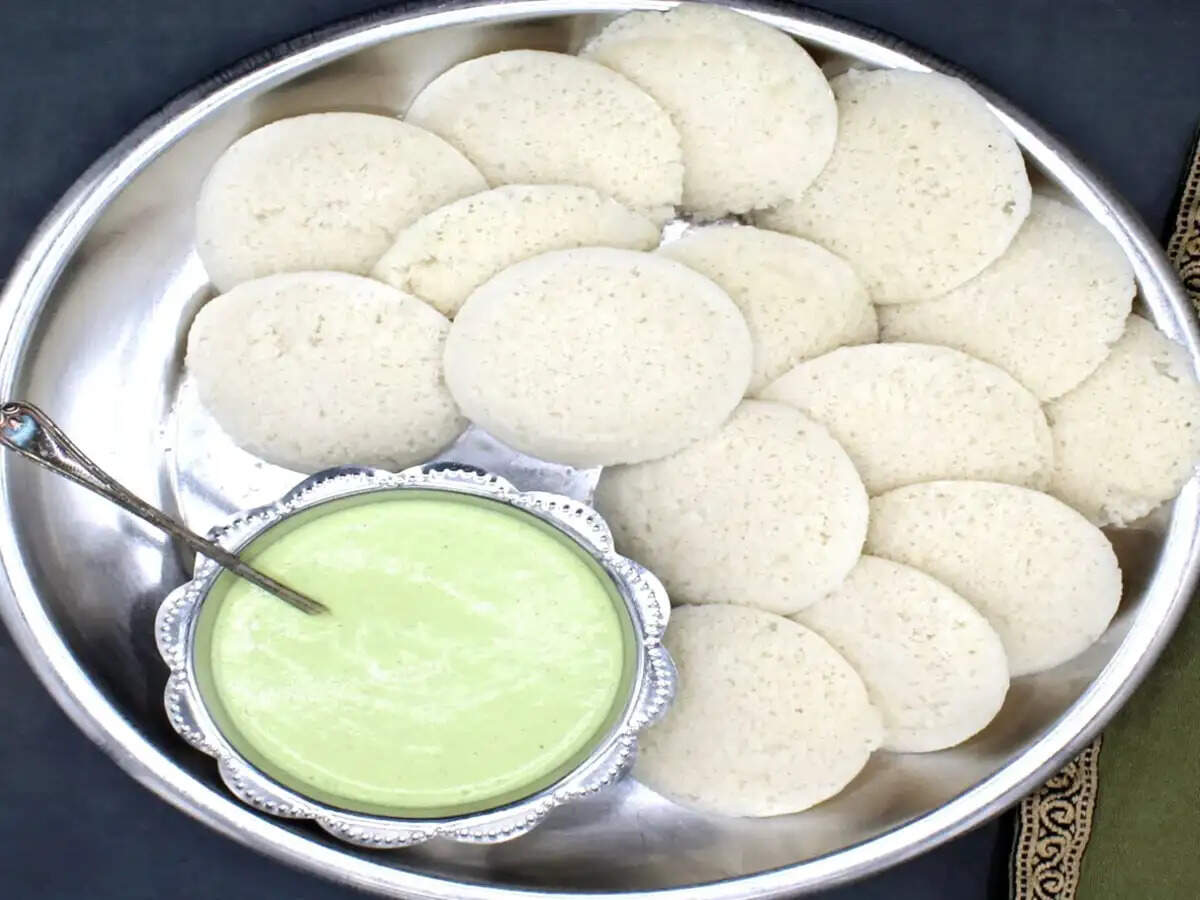
While it's common for batter to struggle to rise in winter, following these tips can help ensure your idlis remain soft, fluffy, and delicious, even in the colder months.
PC Social Media