
Tips for Making Soft and Delicious Paneer at Home
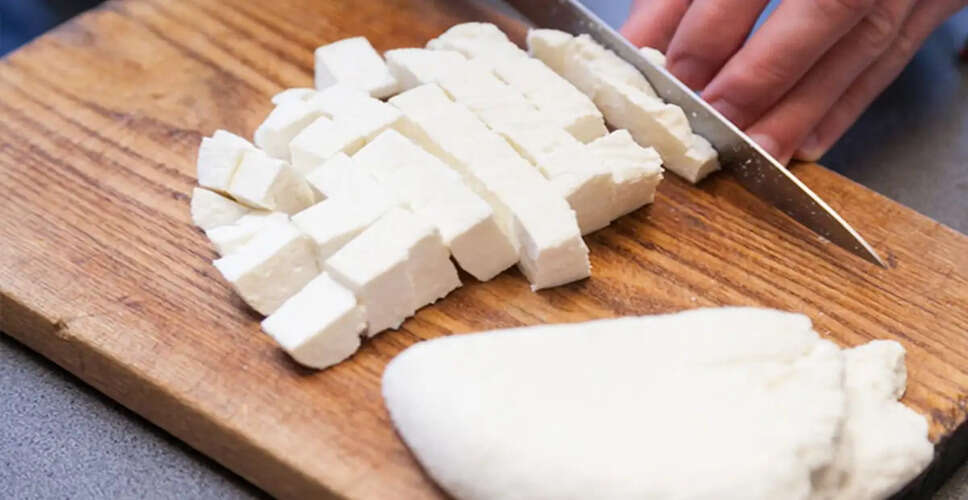

The Importance of Paneer in Indian Cuisine
Paneer holds a special place in Indian cooking, featuring in popular dishes such as Shahi Paneer, Matar Paneer, and Paneer Tikka. While purchasing paneer from stores can be pricey, many individuals opt to prepare it at home. However, a frequent issue encountered is achieving the desired softness, with homemade paneer often turning out rubbery.
Factors Influencing Paneer Softness
The texture of paneer is influenced by several factors, including the quality of milk, the curdling technique, the temperature, and the whey drainage process.
Avoiding Common Mistakes in Curdling Milk
**Curdling Milk Correctly is Crucial**
The curdling process is vital for paneer preparation. Typically, acidic agents like lemon juice or vinegar are used. However, using too much acid can cause the milk proteins to tighten too quickly, leading to hard paneer. It's important to add the acid gradually rather than all at once to maintain the right texture.
The Role of Milk Temperature
**Temperature is Key**
Making paneer from very cold milk can be challenging; it's best to heat the milk thoroughly before curdling. Once the milk reaches a boil, reduce the heat and slowly incorporate the lemon juice. After curdling and whey separation, there's no need for further cooking. Many people tend to press the paneer too firmly while draining, which can lead to a loss of moisture and a harder texture. For optimal softness, gently press the paneer after draining and allow it to rest.
Engage with Us
PC Social Media