
The Vital Role of Rivers in Our Ecosystem and Economy
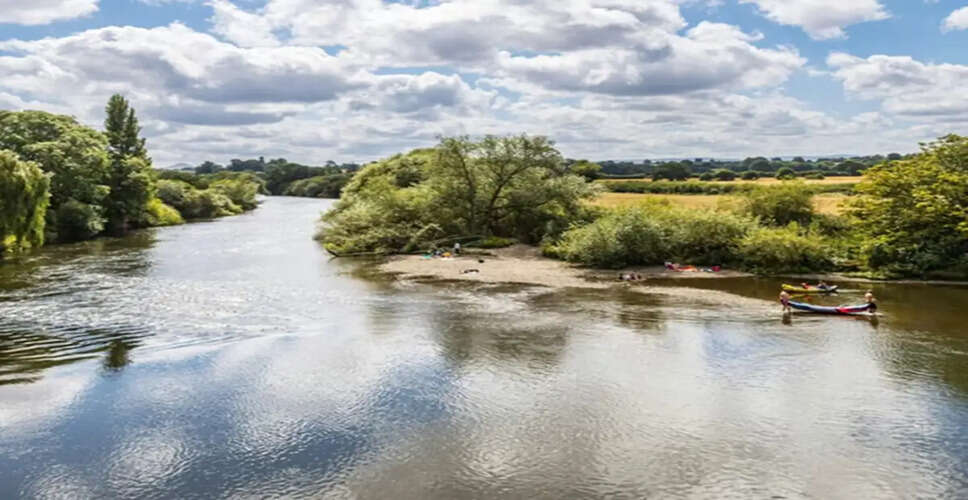
The Importance of Rivers
Rivers are essential to our planet, functioning as its lifeblood rather than just channels that carry water from mountains to oceans. These intricate systems have significantly influenced both the evolution of life and the course of human history. Their importance can be understood through four key aspects: ecological health, human sustenance, and economic growth.
Ecological Significance
From an ecological standpoint, rivers are among the most diverse habitats on Earth, especially considering their size. Freshwater ecosystems, which occupy less than 1% of the planet's surface, are home to over 10% of all known species and nearly 40% of fish species. They act as biological corridors, enabling species migration and the spread of genetic diversity.
Riparian Zones and Water Quality
The regions adjacent to rivers, known as riparian zones, serve as natural filters. They capture pollutants and sediments before they reach the main waterway, thus preserving water quality for aquatic organisms and communities downstream. Additionally, seasonal floods deposit nutrient-rich silt onto floodplains, making them some of the most fertile agricultural lands.
Human Dependency on Rivers
For humans, rivers are crucial sources of freshwater. Historically, civilizations have settled near flowing water long before modern technologies like desalination emerged. Today, billions depend on rivers for drinking water, sanitation, and hygiene.
Economic Contributions
Economically, rivers have acted as the world's highways. Despite advancements in air travel and high-speed rail, inland waterways remain one of the most cost-effective and energy-efficient means of transporting heavy goods like grain, coal, and minerals.
Rivers and Sustainable Energy
Rivers are also crucial in the shift towards sustainable energy. Hydropower, generated from flowing water, provides a substantial share of global electricity. Unlike solar or wind energy, which can be inconsistent, river-based energy offers a stable and carbon-free source of power, assuming that dams and reservoirs are managed with ecological care.
Climate Change Mitigation
In the face of climate change, rivers act as extensive drainage systems. They help manage excess rainwater, reducing the risk of waterlogging and flooding. Moreover, mangrove forests and deltas at river mouths provide protective barriers against storm surges and rising sea levels, shielding inland communities.
Conclusion
PC Social Media