
The Untold Story of Jaswant Singh Khalra: A Fight for Justice
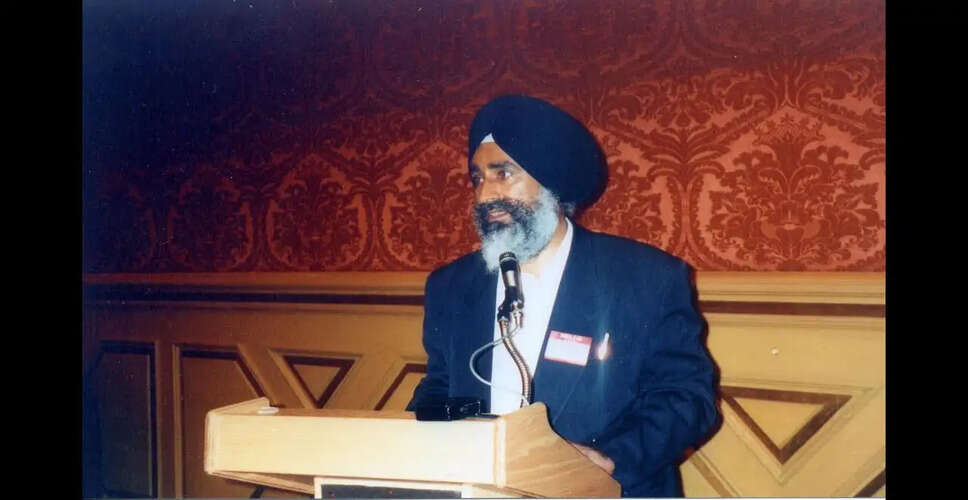

Introduction to Jaswant Singh Khalra
The story of Jaswant Singh Khalra is a poignant reminder of the cost of truth. In the early 1990s, this unassuming bank employee uncovered a grim reality about secret cremations in Punjab, a discovery that ultimately led to his tragic demise. His narrative has gained renewed attention through a film that faced significant opposition from the Indian government, highlighting the importance of his legacy.
Who Was Jaswant Singh Khalra?
Khalra was not a lawyer, journalist, or politician; he was a bank manager whose meticulous nature led him to uncover disturbing truths. While searching for missing colleagues during the turbulent times of Punjab's insurgency, he stumbled upon municipal records in Amritsar that detailed the names, ages, and addresses of individuals who had been killed and cremated by police forces.
His investigation revealed a broader pattern of unlawful killings, with the National Human Rights Commission later confirming the existence of numerous unidentified bodies cremated by police in various districts from 1984 to 1994. Khalra estimated that the actual number of illegal cremations could exceed 25,000.
The Context of His Discoveries
Khalra's findings emerged against a backdrop of violence following Operation Blue Star, the assassination of Indira Gandhi, and the subsequent anti-Sikh riots. During this period, Punjab police had the authority to detain individuals suspected of terrorism, often resorting to extrajudicial killings to eliminate evidence. Khalra's discovery of municipal records served as a damning indictment of the state's actions.
His Relentless Pursuit of Truth
Rather than remaining silent, Khalra took his findings to international human rights forums in Canada, fully aware of the potential repercussions. In a powerful speech, he expressed his willingness to sacrifice his life for the truth. Tragically, he was abducted, tortured, and murdered shortly thereafter, with authorities attempting to portray his disappearance as voluntary.
Justice for Khalra
Justice was slow but eventually achieved. It took a decade for the case to reach trial, resulting in the conviction of six Punjab police officers for Khalra's abduction and murder. In 2007, the Punjab and Haryana High Court upheld five of these convictions, sentencing them to life imprisonment, while one was acquitted. The Supreme Court confirmed these convictions in November 2011. Khalra's widow, Paramjit Kaur Khalra, has tirelessly advocated for the families of the missing, seeking answers.
Challenges in Film Release
The ongoing struggle for justice is reflected in the challenges faced by a film about Khalra's life. Directed by Honey Trehan and featuring Diljit Dosanjh, the film initially titled Ghallughara faced significant censorship demands, including extensive cuts and a title change. After being pulled from the Toronto International Film Festival in 2023, it was eventually released on ZEE5 Global under the new title Satluj, but was quickly withdrawn from the Indian platform shortly after its premiere.
The film's title, referencing the river that flows through Punjab, symbolizes the enduring nature of Khalra's legacy, as the truth continues to flow beneath the surface, much like the river itself.