
The Unique Independence of Japanese Children: A Cultural Insight
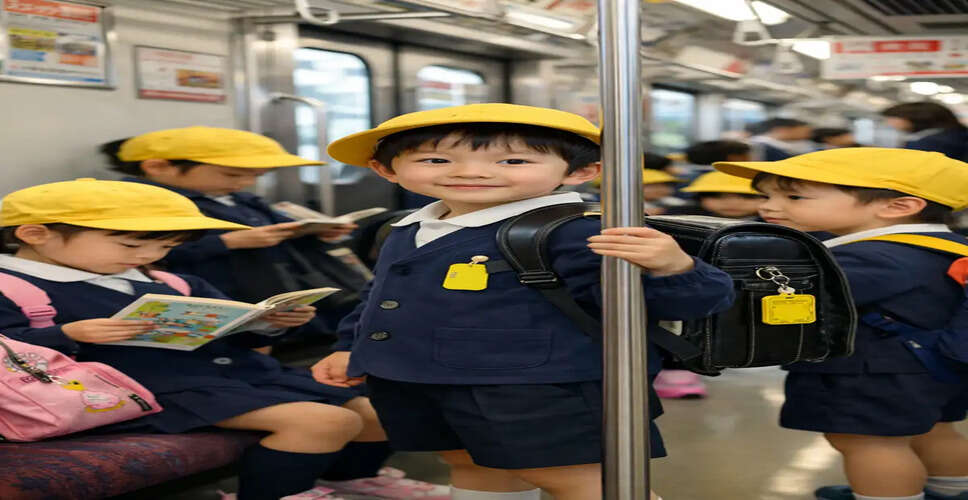
The Independence of Young Japanese Children
Picture a young child, around 5 to 6 years old, sporting a yellow cap and carrying a backpack that seems larger than they are. With a sparkle of confidence in their eyes, this child navigates the bustling stairs of a metro station alone, switches trains, and cheerfully makes their way to school. In many parts of India or the West, such a sight would likely send parents into a state of panic. However, in Japan, this scenario is a typical sight every Monday morning.
Understanding the Norm
In Japan, it is entirely normal for first graders to travel to school independently, whether by walking, bus, or metro. This practice is deeply rooted in their culture. Interestingly, these children are seldom alone; they form small groups known as "Han." Local children travel together, with the oldest among them, typically around 10 years old, taking on the role of the "captain" to look after the younger ones. Adults do not accompany them but monitor from a distance.
Why is This Unique to Japan?
Three key factors contribute to this phenomenon:
“The entire neighborhood acts as guardians”: In Japan, there is no distinction between “my child” and “your child.” The community operates on a principle of collective responsibility. Shopkeepers, neighbors, and station staff are all aware of their role in ensuring the safety of these children. The low crime rate allows parents to feel secure.
The journey to school is educational: It is believed that education extends beyond the classroom walls; the path to school is also a vital learning experience. When children navigate their way, they acquire lessons that no teacher can impart.
Encouraging self-sufficiency: Japanese parents do not treat their children as fragile beings. They believe that facing challenges early on is essential for building resilience.
What Are the Advantages?
Mental resilience: If a child misses a train or gets lost, they learn to think critically rather than succumb to tears.
Boosted self-esteem: Successfully reaching school independently instills a sense of accomplishment in children, reinforcing the belief that they can manage tasks on their own.
Stronger friendships: The connections formed through shared journeys are far more profound than those made while being driven in a car.
Lessons for Other Cultures
While we are not suggesting that parents should send their young children alone on public transport immediately, it is crucial to learn to trust them. Allowing children to take on small responsibilities can be beneficial.
The essence of this discussion is that sometimes, the best way for children to grow is to give them the freedom to learn independence.
PC Social Media