
The Unforeseen Prince of Wales Riots of 1921 in Mumbai

Overview of the 1921 Riots
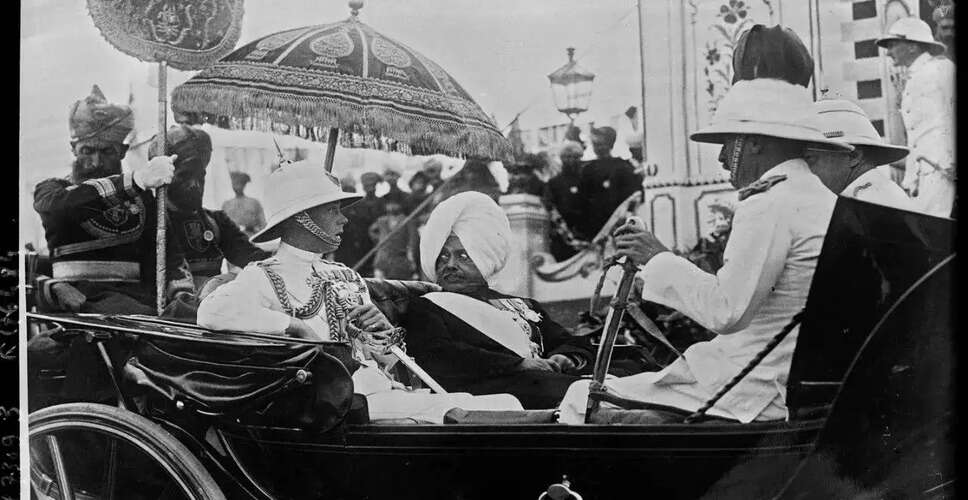
The Prince of Wales Riots in 1921 stand out as a significant yet unexpected chapter in Indian history. Edward, who would later ascend to the throne as King Edward VIII, arrived in Bombay (now Mumbai) during a time of heightened political tension under British colonial rule. On November 17, 1921, he disembarked from the ship Renown at the Gateway of India. In his address, he expressed gratitude for India's contributions during the First World War. John Last noted in an article for JSTOR Daily that Edward's speech aimed to convey his desire to understand India’s contributions and potential.
This visit coincided with Mahatma Gandhi’s Non-Cooperation Movement, which posed a significant challenge to British authority. Gandhi had allied with the Khilafat Movement, advocating for Hindu-Muslim unity in response to fears that the British might depose the Ottoman Caliph, Sultan Mehmed VI, who was viewed by many Muslims as the rightful Caliph of Islam.
Interestingly, Gandhi also arrived in Bombay on the same day as Edward. The future British monarch faced a mixed reception, with hartals (strikes) erupting across the city and bonfires of foreign-made garments being lit by protestors. Approximately 25,000 individuals participated in the burning of these clothes, while some groups, including Parsis, Jews, and Anglo-Indians, chose to welcome Edward instead. Despite Gandhi's advocacy for non-violence, the atmosphere was charged with anger and hostility.
Historian Dinyar Patel spoke with Homai Vyarawalla, the first female photojournalist, who witnessed the events unfold. She recounted that Parsi schoolgirls performed garbas, a traditional dance, to greet the Prince. However, the situation quickly escalated into violence, with rioters using marble stoppers from soda bottles as weapons. They specifically targeted Parsi-owned liquor stores, throwing stones and threatening to set them ablaze.
For three consecutive days, Bombay was engulfed in chaos. Patel observed that Hindu and Muslim rioters focused on liquor stores as symbols of Parsi economic power and their opposition to nationalist movements. They even threatened to incinerate a Parsi residential building housing a liquor store, only backing down when the owner disposed of his stock into the street. Notably, Parsis and Anglo-Indians were not merely passive victims; many actively participated in the violence, wielding sticks and firearms, attacking individuals clad in khadi, the traditional attire of Gandhians, and chanting anti-Gandhi slogans.
In response to the escalating violence, Gandhi was deeply disturbed and initiated a hunger strike on November 19, demanding an end to the riots. His protest continued until calm was restored, but the violence resulted in over 50 fatalities.