
The Trailblazing Journey of Princess Indira Devi of Kapurthala
A Royal Rebel: The Life of Princess Indira Devi
Throughout history, women of royalty have often been confined to roles defined by tradition and decorum. However, Princess Indira Devi of Kapurthala defied these expectations. Born on February 26, 1912, to Maharaja Paramjit Singh and Brinda Devi, she was the eldest of three daughters. Her grandfather, Maharaja Jagatjit Singh, was known for his Francophile tendencies. Brinda Devi recounted in her autobiography, The Story of an Indian Princess, that while the family hoped for a male heir, she sensed from the start that her firstborn would be a girl. Despite initial disappointment from her husband and the maharaja, they soon grew to adore little Indira.
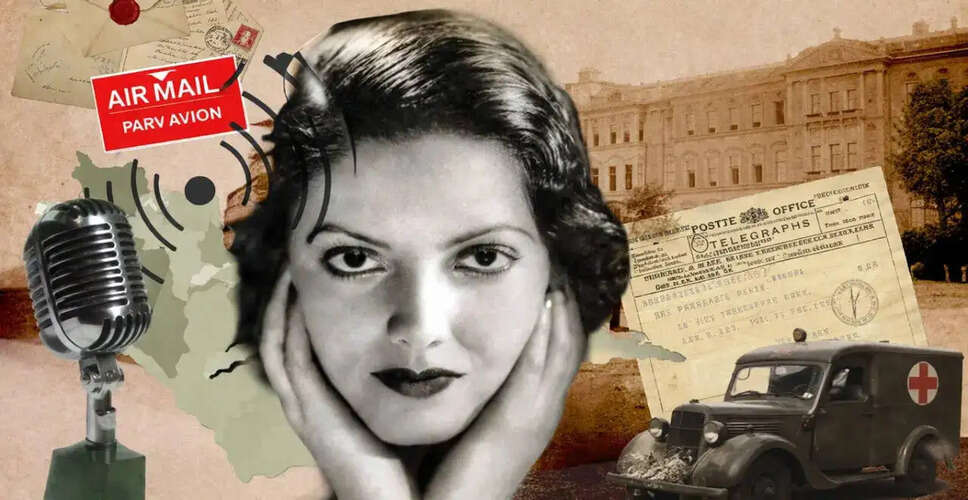
Brinda described Indira as ambitious and strong-willed, traits that would shape her future. From a young age, Indira aspired to be an actress, a dream her mother recognized would not fit the mold of a traditional Indian princess. In a bold move, she left India for London without notifying her elders, only informing her mother via telegram of her departure. When confronted in London, Indira expressed her determination to escape the confines of her royal life.
In London, she enrolled at the Royal Academy of Dramatic Art, undeterred by her father's withdrawal of her allowance. Despite her mother's attempts to introduce her to influential figures, Indira was resolute in carving her own path. Her stage debut came in 1938, portraying a Turkish slave girl in a play about literary giants Keats, Byron, and Shelley.
During World War II, Indira passed the St John Ambulance first aid exam and volunteered as an ambulance driver during the Blitz. Her mother, Brinda, recalled Indira's commitment to England, stating, "It was her country now, and she would not desert it in its time of need."
In 1939, she joined BBC Radio and became the political correspondent for the India team by 1942, earning the title "Radio Princess." She hosted a program in Hindustani for Indian troops and reported on the House of Commons, becoming the only woman in the Press Gallery. Her popularity reportedly surpassed that of journalist George Orwell, with whom she collaborated at the BBC.