
The Tragic Life and Death of Geli Raubal: Hitler's Obsession
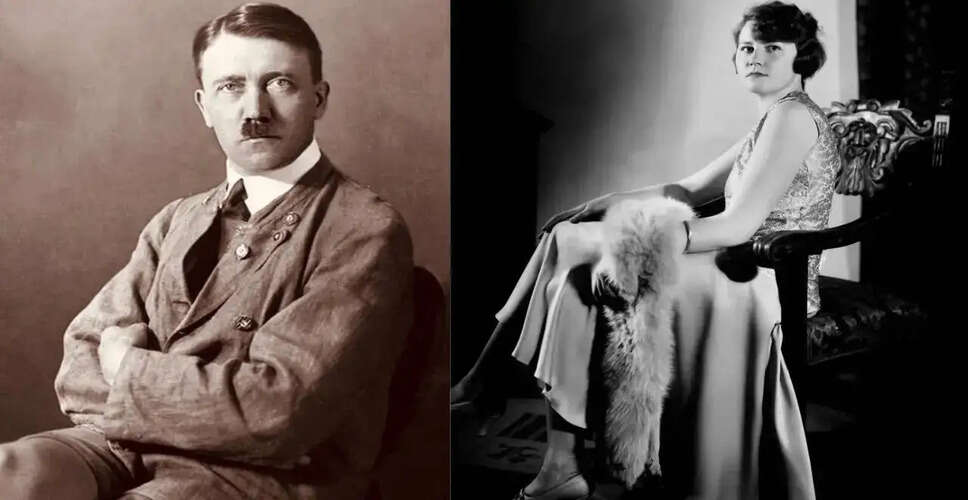

Geli Raubal: A Complex Relationship with Adolf Hitler
Among the women linked to Adolf Hitler, Geli Raubal stands out due to the intense fascination surrounding her life. As his half-niece, she became the focus of his obsession, and historians have long debated the true nature of their bond. Many concur that she was the woman he cherished the most. Tragically, on September 19, 1931, Geli was discovered dead in her Munich apartment, where she lived with Hitler. Found in her bedroom with a gunshot wound, she was only 23 years old and had taken her own life. This event profoundly impacted Hitler, with Robert Waite noting in The Psychopathic God: Adolf Hitler that, aside from his mother's passing, nothing affected him more deeply.
Born on June 4, 1908, Geli was the daughter of Leo Raubal Sr. and Hitler's half-sister, Angela. She experienced the loss of her father at a young age, and over a decade later, her mother became Hitler's housekeeper in 1925 at his residence in Obersalzburg. Geli and her sister, Elfriede, moved in with their mother. At just 17, Geli caught Hitler's attention, who was 19 years older, due to her striking beauty, and he sought every chance to be near her.
In October 1929, Geli relocated to Hitler's Munich apartment after enrolling in a nearby college. As Hitler's influence expanded, he grew increasingly controlling and possessive over her. When he learned of her relationship with his chauffeur, Emil Maurice, he ended the affair and dismissed Maurice from his position. Geli's social life became severely restricted, leading her to abandon her studies and aspirations of a singing career.
By 1931, Hitler was dictating nearly every aspect of her existence, leaving her feeling trapped. She was expected to be accompanied by someone he trusted at all times. Yearning for independence, Geli began contemplating a move to Vienna to pursue her singing lessons. The night before her tragic death, she and Hitler reportedly had a heated argument over her desire to leave. The next morning, she was found dead from a gunshot wound to her chest, having used Hitler's Walther pistol. The circumstances of her death remain enigmatic, with various attempts to obscure the details. A cursory post-mortem examination was conducted, and the case was swiftly classified as a suicide. However, doubts lingered, and the Münchner Post, a prominent anti-Nazi publication, sensationalized the incident with the headline: "A Mysterious Affair: Hitler's Niece Commits Suicide."