
The Timeless Benefits of Shikakai for Hair Care in Uttarakhand

Exploring Shikakai: A Natural Hair Care Solution
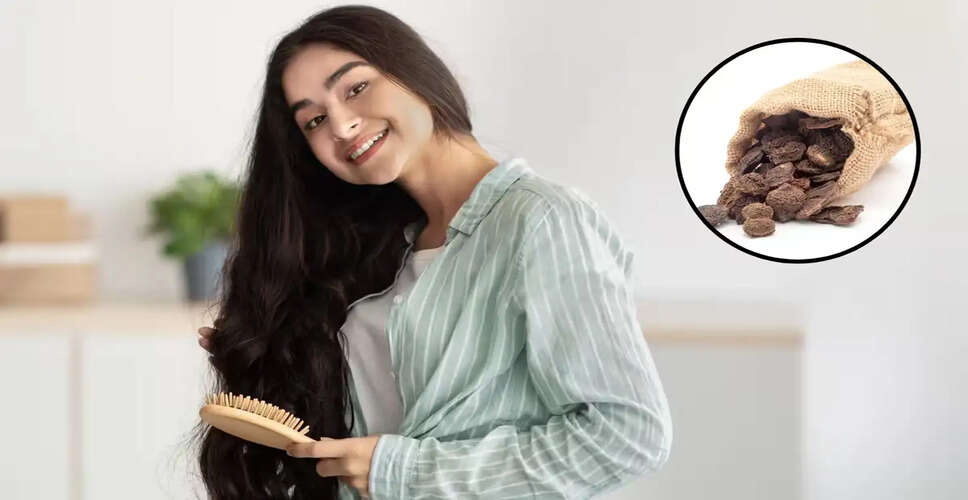
In Uttarakhand's mountainous regions, Shikakai has been a staple for hair cleansing and maintenance for generations. Before the rise of commercial shampoos, locals relied on natural ingredients, with Shikakai and Reetha (soapnut) being key components of their hair care rituals. Shikakai, a fruit from a thorny shrub or small tree, is traditionally prepared by soaking or boiling its dried pods in water to create a natural hair wash.
According to Ramesh Parvatiya from Bageshwar, Shikakai, scientifically known as *Acacia concinna*, thrives in tropical and subtropical climates. In many rural areas of Uttarakhand, these shrubs can be found in forests, along agricultural borders, and near homes. Once harvested, the pods are dried for later use, and when mixed with water, they produce a gentle lather.
While the name Shikakai is widely recognized, local variations exist across Uttarakhand. Many families refer to it simply as Shikakai or Sikakai, and Reetha is commonly known by the same name in these hilly regions. For the locals, these botanicals are not just plants; they are vital to their cultural heritage.
Shikakai is rich in saponins, which create a mild lather that effectively cleanses the hair and scalp by removing dirt and excess oil. It is praised for its ability to maintain the hair's natural moisture, leaving it soft and clean when used regularly. However, results may differ based on individual hair and skin types, and it should not replace professional medical treatments.
In these hilly areas, Shikakai is often combined with Reetha for enhanced cleansing. Reetha's natural saponins help eliminate dirt and oil, while Shikakai ensures softness. Many families also incorporate Amla (Indian gooseberry) into this mixture, which has been traditionally used to cleanse and fortify hair.
The preparation involves soaking dried Shikakai pods in water for several hours, boiling them gently, and then straining the liquid for hair application. Some prefer grinding Shikakai into a powder for use. After applying the mixture, the hair is massaged gently and rinsed thoroughly. It's crucial to consider the amount used and individual skin sensitivities when using natural ingredients.
Although Shikakai is beneficial for hair, it is not a universal remedy for all hair-related issues. Conditions like hair loss, dandruff, or scalp infections can arise from various factors. While Shikakai aids in cleansing, seeking professional advice is important for serious concerns. Due to limited scientific backing, its benefits should not be seen as definitive medical solutions. Those with sensitive skin or allergies should conduct a patch test before first use.
As the market becomes saturated with chemical products, there is a renewed interest in natural alternatives like Shikakai and Reetha. In Uttarakhand's rural communities, these practices have been preserved through generations. These plants, found in local forests and fields, symbolize a self-sufficient lifestyle. However, it is essential to harvest any plant or fruit in compliance with local regulations. The traditional knowledge surrounding Shikakai is a vital part of preserving our mountain culture and natural resources.
PC Social Media