
The Spiritual Significance of Sawan Shivratri in Uttarakhand
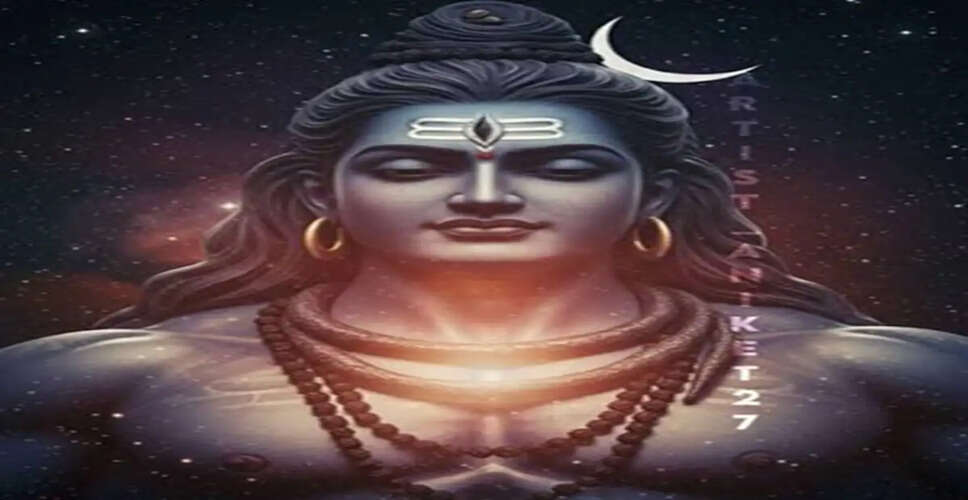

The Arrival of Sawan and Its Devotional Essence
As the month of Sawan unfolds, a unique wave of devotion sweeps through the populace. This fervent atmosphere is particularly palpable in Uttarakhand. Astrologically, among the various monthly Shivratris observed throughout the year, the one in the Shravan month is deemed the most significant, cherished by Lord Shiva himself. But what makes it so special?
According to religious texts, during Sawan, Lord Shiva is believed to reside at his in-laws' home. The Daksheshwar Mahadev Temple in Kankhal, an ancient city in Haridwar, is recognized as the birthplace of Mata Sati and the residence of Lord Shiva's in-laws. Scriptures suggest that performing *Abhishek* (ritual bathing) with Ganga water at this sacred site on Sawan Shivratri can yield miraculous outcomes and fulfill heartfelt desires.
Understanding the Importance of Sawan Shivratri
Scholar Pandit Shridhar Shastri elaborates on the unique significance of Sawan Shivratri, emphasizing that this month is a time when even simple acts of devotion can attract Lord Shiva's special blessings. Haridwar is rich with numerous *Siddha Peethas* (spiritual power sites) and ancient temples dedicated to Lord Shiva, as detailed in religious scriptures. Notable among these are the Neeleshwar Mahadev, Vilvakeshwar Mahadev, Gauri Shankar Mahadev, Tilbhandeshwar, and Daridra Bhanjan Mahadev temples, all linked to Lord Shiva's in-laws. Performing *Abhishek* with Ganga water at these locations is considered profoundly significant, as it is believed that during Sawan, Lord Shiva oversees the universe from his in-laws' abode.
Pandit Shridhar Shastri further explains that mythology holds Sawan Shivratri in high regard because it commemorates the day Lord Shiva consumed the lethal *Kalkoot* poison, which emerged during the *Samudra Manthan* (Churning of the Ocean), for the benefit of all creation. This event took place at the Neeleshwar Mahadev Temple in Haridwar, after which Lord Shiva rested on Manikoot Mountain. Following the consumption of this potent poison, both the mountain and the flowing Ganga turned blue, earning them the names *Neel Parvat* (Blue Mountain) and *Neel Ganga* (Blue Ganga). He adds that after ingesting the poison, Lord Shiva's body temperature soared, prompting the gods to cool him down with the holy waters of the Ganges. Since that time, offering Ganges water to Lord Shiva on the *Trayodashi* (thirteenth day) of the *Shravan Krishna Paksha* has been of great importance. It is believed that when devotees offer this water to alleviate the heat from the poison consumed for humanity's sake, Lord Shiva becomes immensely pleased, granting their wishes and alleviating life's challenges, planetary issues, and fears.