
The Spiritual Significance of Honey in Hindu Worship

Understanding the Role of Honey in Hindu Rituals
In Hindu worship, various offerings are presented to deities, with items like milk, curd, ghee, sugar, *Gangajal* (sacred Ganges water), and honey being particularly important. Honey has been a key ingredient in the preparation of *Panchamrit* and is also used during the ritual bathing (*Abhishek*) of deities. This article delves into the reasons behind the significance of honey in these sacred practices.
Honey is believed to represent sweetness, purity, and auspiciousness in religious contexts. When devotees offer honey, they express a desire for sweetness to permeate their lives, speech, and actions. Therefore, this offering transcends mere ritual; it embodies the hope for virtuous thoughts and a fulfilling life.
The importance of honey in worship is emphasized in the *Shrimad Bhagavad Gita* (Chapter 9, Verse 26):
"Patram pushpam phalam toyam yo me bhaktya prayachchhati;
Tadaham bhaktyupahritam ashnami prayatatmanah."
This verse conveys that the Lord graciously accepts any offering made with genuine faith and devotion, underscoring the significance of belief in worship.
Another scripture highlights honey's role during worship, particularly when *Madhupark* (a blend of curd, ghee, and honey) is presented:
"Aajyam dadhi madhu shreshtham patrayugmasamanvitam;
Madhuparkam grihana tvam prasanno bhava Shankara."
This translates to a request for the deity to accept the sacred mixture of ghee, curd, and fine honey, invoking their pleasure.
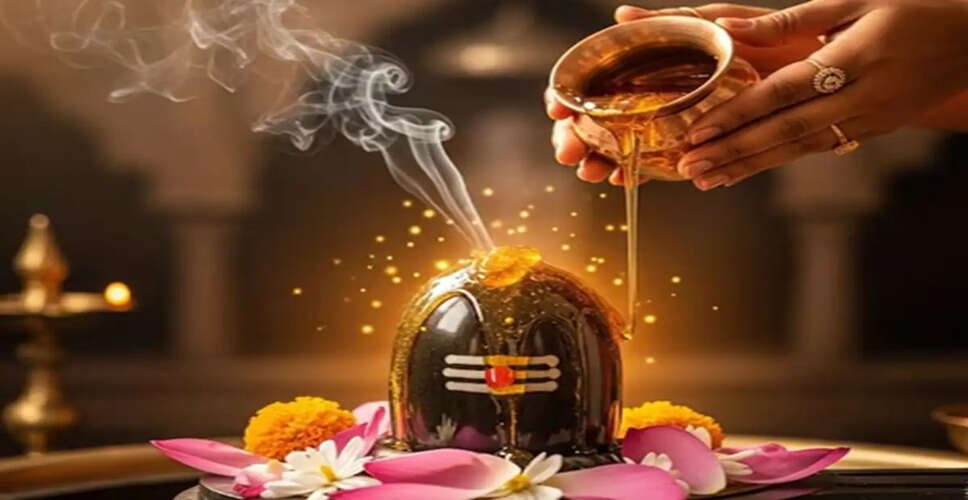
*Panchamrit* is a vital component of Hindu worship, where each ingredient symbolizes different virtues: milk for purity, curd for prosperity, ghee for sanctity, sugar for bliss, and honey for sweetness. Honey's role in *Panchamrit* is thus crucial. Additionally, using honey during the *Abhishek* of Lord Shiva is deemed highly auspicious, believed to usher in happiness, peace, and love into devotees' lives.
PC Social Media