
The Spiritual Importance of Charity in Hindu Tradition
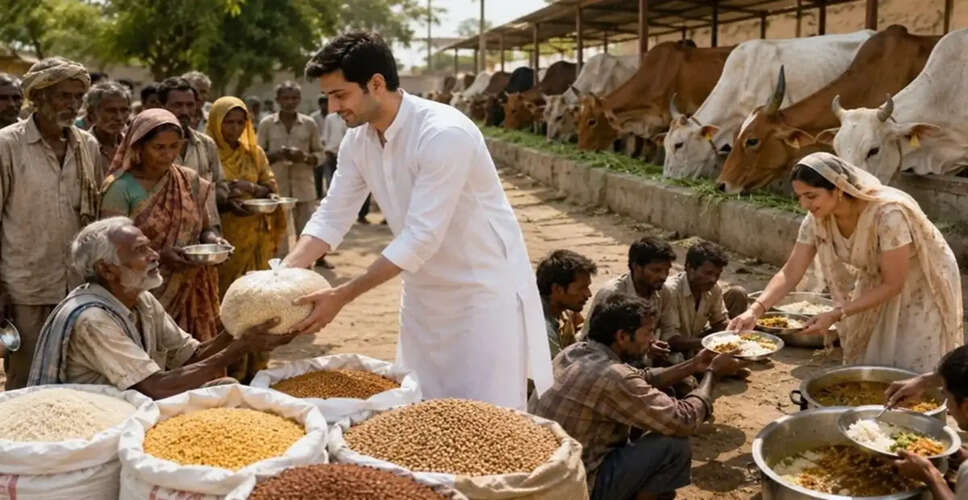

Understanding Charity in Sanatan Tradition
In the Sanatan tradition, the concept of charity, known as *Daan*, is deeply revered. It embodies qualities such as nobility, voluntary giving, gratitude, and spiritual surrender. According to Hindu beliefs, the act of donating anything serves to purify the mind and elevate the soul.
The Power of Charity
Sacred texts, including the Bhagavad Gita, emphasize that charity performed with faith and humility leads to happiness and prosperity. It is believed that giving five specific items holds greater significance than monetary donations made at temples.
Key Forms of Donation
**Food Donation (*Anna Daan*)**
In Hindu culture, donating food is regarded as the highest form of charity. Providing rice, grains, lentils, or prepared meals to temples not only supports community kitchens and daily offerings but also nourishes both the giver and the receiver spiritually and physically.
According to Hindu Puranas, food is seen as a sacred energy. By donating food, one helps alleviate hunger and promotes karmic balance, fostering compassion and reminding devotees that true wealth lies in feeding others.
Clothing Donations
**Clothing Donations**
Giving clothes at temples is also viewed as highly auspicious. Such acts are significant from both spiritual and social viewpoints, reflecting respect for the human body and compassion for those in need.
Clothing is distributed to temple priests, pilgrims, and local communities, allowing those in need to cover themselves with dignity. While Indian philosophy acknowledges the body as temporary, the values of respect and humility are everlasting. Donating new or gently used clothing helps individuals release ego and the desire for showiness.
The Significance of Various Donations
**Oil or Ghee for Lamps**
Many devotees contribute ghee or oil for temple lamps. In Indian tradition, lamps symbolize enlightenment and the victory of light over darkness. By donating mustard oil, sesame oil, or pure cow's ghee, devotees help sustain the flame of knowledge. Unlike decorative offerings, these oils are fully utilized, showcasing a spirit of selfless giving. Lighting a lamp is believed to dispel illusions and negative thoughts.
**Cows Donation**
Supporting cows is particularly significant in temples dedicated to Lord Krishna or Lord Shiva. Providing fodder, green grass, or grains to the temple's *gaushala* (cow shelter) is seen as a noble act.
In Hinduism, cows are revered as maternal figures, symbolizing abundance and gentleness. Caring for cows promotes compassion and stability.
Time and Service as Offerings
**Donation of Time and Service**
Offering time and service to a temple is regarded as a profoundly impactful form of charity. Voluntary actions such as cleaning, serving food, assisting the elderly, or helping with temple arrangements are forms of *Seva* (selfless service).
Unlike money or material goods, time is irreplaceable. Dedicating time to the Divine fosters humility and aligns one's actions with *Dharma* (righteousness). Many devotees experience profound inner peace through such quiet, selfless service.
Conclusion
PC Social Media