
The Significance of Serpent Sightings in Sawan: A Blend of Faith and Nature
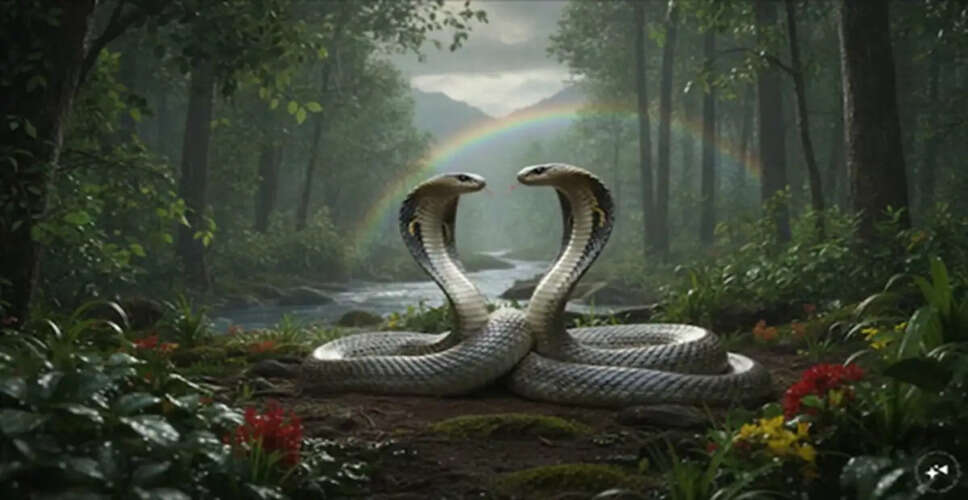

The Serpent Dance in Sawan: A Symbol of Good Fortune
As the month of Sawan arrives, various religious customs gain attention, particularly those honoring Lord Shiva. A notable belief is that witnessing a pair of dancing serpents during this sacred month is seen as an omen of prosperity and good luck. This rare occurrence is interpreted differently by people in both rural and urban settings; some view it as a blessing from Lord Shiva, while others see it as a sign of positive changes on the horizon.
Exploring the Connection Between Sawan and Serpents
But does witnessing this phenomenon truly alter one's fate? Are there references to this in religious texts, or is there a scientific explanation behind it? Let's delve into what both faith and science reveal.
Why Are Serpents Revered During Sawan?
In Hindu tradition, the month of Shravan (Sawan) is dedicated to Lord Shiva. The serpent that adorns his neck symbolizes power, courage, and harmony with nature. Consequently, reverence for serpents increases during this time. Festivals like Nag Panchami further emphasize this respect, as devotees worship the serpent deity, seeking blessings for their family's well-being and safety. Thus, spotting a pair of serpents during Sawan is often attributed to Lord Shiva's grace.
Are Serpent Sightings Scripturally Significant?
Do Scriptures Mention the Dance of Serpents?
It is crucial to differentiate between popular beliefs and religious texts. While folklore considers the dance of serpents to be auspicious, ancient Hindu scriptures do not explicitly state that witnessing this event during Sawan ensures good fortune or success. Scholars indicate that these beliefs stem from folk traditions rather than scriptural evidence, making them matters of faith rather than established facts.
Scientific Perspective on Serpent Behavior
What Does Science Reveal?
Wildlife experts explain that what is often termed the "dance of the male and female cobra" is actually a natural mating behavior. The monsoon season brings increased humidity and favorable temperatures, prompting many snake species to become more active. The intertwining and movements of two snakes may appear as a dance from afar, but it is simply their instinctual behavior during mating season.
Embracing Respect for Nature and Faith
Respecting Nature and Spirituality
If you encounter a pair of cobras during Sawan, there is no need for fear or interference. Experts recommend keeping a safe distance and allowing them to engage in their natural behaviors. Spiritually, it is believed that a divine essence exists within all living beings. Therefore, respecting these creatures, avoiding harm, and promoting nature conservation is regarded as a profound expression of reverence.
Conclusion
PC Social Media