
The Significance of Proper Worship Practices in Hinduism

Understanding Worship in Hinduism
In Hindu traditions, the reverence shown to deities is of utmost importance. It is believed that engaging in spiritual rituals with genuine intent can lead to significant positive transformations in an individual's life. However, many practitioners unknowingly commit errors during their worship, which can hinder them from fully experiencing the benefits of their prayers.
While many individuals choose to worship while standing, the question arises: is this practice appropriate? This article aims to clarify this matter.
Is Standing Worship Correct?
Is worshipping while standing right or wrong?
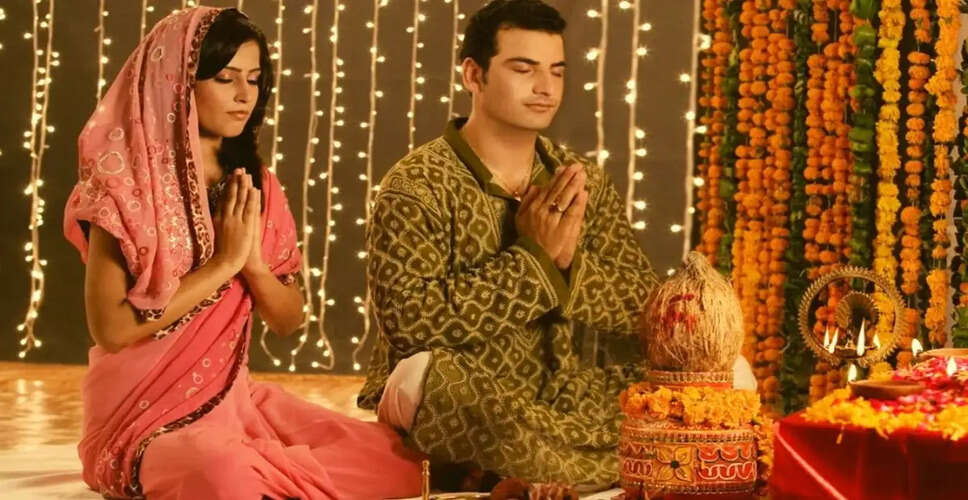
Religious teachings suggest that daily worship should be conducted following specific rituals to help stabilize and focus the mind. Scriptures recommend that worship should ideally be performed seated on an *asana* (a prayer mat or seat). Worshipping while standing is thought to create instability in both body and mind, leading to a lack of concentration on the Divine. As a result, it is advised to engage in spiritual practices while seated. When one worships in a standing position, the positive energy generated tends to dissipate into the ground, preventing the individual from fully experiencing the spiritual benefits of the worship.
Guidelines for Worship
It is important to note that the *Aarti* for any deity is traditionally performed while standing; it is discouraged to do so while seated. Additionally, at the end of the worship, devotees should circumambulate the deity's idol while standing and with a sincere heart to ensure they receive the complete spiritual merit of their worship.
Key Worship Rules:
Correct Direction: Always face either East or North during worship, as these directions are considered highly auspicious.
Use of an *Asana*: Worship should be conducted while seated on an *asana*. Performing worship without one is deemed inauspicious. At the conclusion of the worship, it is customary to bow to the ground beneath the *asana* as a sign of respect.
Covering the Head: It is advisable to cover the head with a clean cloth during worship and *Aarti*, symbolizing respect and humility towards the Divine. Sacred items should never be placed directly on the ground; special care should be taken not to place the Shaligram, Shivling, conch shell, sacred thread (Janeu), or deity idols directly on the floor, as this is considered disrespectful. Always place these items on a clean mat, cloth, or in a vessel.
Conclusion
By adhering to these guidelines, devotees can enhance their worship experience and ensure they receive the full spiritual benefits of their practices.