
The Significance of Lighting Lamps and Auspicious Offerings During Diwali
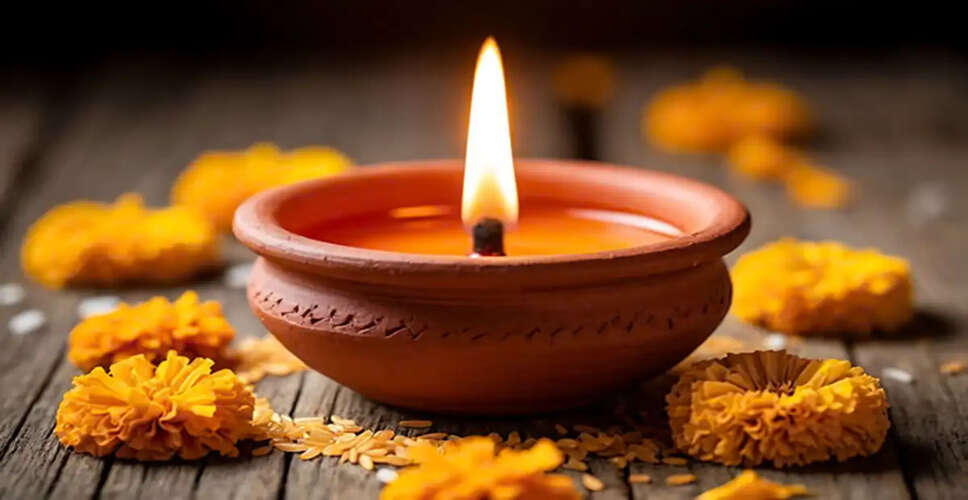

The Tradition of Diwali Home Decoration
The custom of adorning homes with lights during Diwali has been practiced for centuries. This festival prompts individuals not only to clean their residences but also to prepare for the worship of Goddess Lakshmi and Lord Ganesha. It is believed that illuminating lamps on Diwali night enhances the flow of positive energy. Additionally, religious customs recommend placing specific items under the lamps, which are thought to promote peace, happiness, and prosperity within the home. Let's delve into the auspicious items that should be placed beneath the lamps during this festive occasion.
Religious Importance of Lighting Lamps on Diwali
What is the religious significance of lighting lamps on Diwali?
In Hindu culture, Diwali symbolizes light, prosperity, and fresh starts. The lighting of lamps is historically linked to the return of Lord Rama to Ayodhya after his 14-year exile, where the townspeople celebrated his return with illuminated lamps. On this day, rituals are performed to honor Goddess Lakshmi and Lord Ganesha, followed by lighting lamps at the main entrance, courtyard, and various areas of the home. Many families also maintain an 'akhand jyoti' (an unbroken flame) as a sign of auspiciousness. It is a widely held belief that the light from these lamps drives away negativity and ushers in happiness, peace, and prosperity.
Auspicious Offerings Beneath the Lamps
Place puffed rice (lai), sugar drops (batashe), and rose petals beneath the lamps.
During Diwali worship, certain items like puffed rice (lai), sugar drops (batashe), and rose petals are particularly significant. According to tradition, placing these items under the lamps is deemed auspicious. Sugar drops (batashe) are often offered to Goddess Lakshmi, while rose petals symbolize beauty, love, and purity. Puffed rice, made from paddy, represents food, a fruitful harvest, and prosperity. Including these offerings in Diwali rituals is believed to invite abundance and the blessings of Goddess Lakshmi into the home.
Placing rice beneath a diya (lamp) is also considered auspicious.
In various religious practices, placing rice beneath a diya during Diwali is seen as a favorable act. Known as akshat in Hindu worship, rice is used for applying tilak, offered to deities, and featured in numerous religious ceremonies. Rice symbolizes completeness, purity, and prosperity. It is believed that placing akshat under a diya ensures a continuous supply of food and wealth in the household, bringing joy and peace to family members. These beliefs are deeply rooted in religious traditions.
Conclusion
PC Social Media