
The Significance of Kalava in Modern Spiritual Practices

Understanding the Kalava Tradition
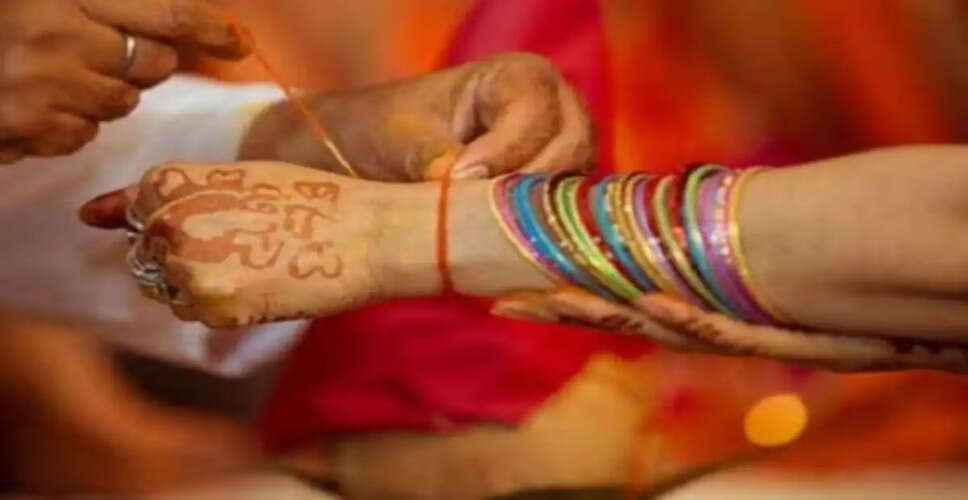
In today's fast-paced world, where technology influences lifestyles, there is a noticeable resurgence in the adherence to religious customs. One such tradition is the tying of the *Kalava*, a sacred thread, around the wrist during visits to temples and various religious ceremonies. This practice is not merely a ritual; it symbolizes protection, positive energy, and divine blessings.
Kalava: The Raksha Sutra
**Kalava as a Symbol of Protection**
Recently, there has been a noticeable increase in the youth's involvement in prayers and religious activities. Many devotees tie the *Kalava* during *havans*, *kathas*, and other ceremonies, seeking happiness, prosperity, and protection. It is believed that wearing the *Kalava* generates a protective aura, shielding individuals from negativity. Religious texts refer to it as the *Raksha Sutra*, indicating that deities like Brahma, Vishnu, and Mahesh, along with Goddesses Lakshmi, Saraswati, and Parvati, are believed to dwell within its threads. Thus, any auspicious event or prayer traditionally begins with the tying of the *Kalava*.
Encouraging Positive Mindset
**Psychological and Spiritual Benefits**
Pandit Deeplal Jaipuri, an astrologer from Ambala, elaborates on the *Kalava*'s significance beyond religious aspects, highlighting its psychological and spiritual benefits. He emphasizes that wearing the *Kalava* with faith fosters positive thinking, enhances self-confidence, and provides mental fortitude.
Proper Placement of the Kalava
**Guidelines for Tying the Kalava**
According to tradition, the *Kalava* serves as a connection to the Divine. Different guidelines exist for men and women regarding its placement: unmarried women are encouraged to wear it on their right wrist, while married women should wear it on the left. Men typically tie the *Kalava* on their right wrist.
Rituals for Tying the Kalava
**Auspicious Practices**
Following specific rituals while tying the *Kalava* is believed to bring positive outcomes. Traditionally, individuals should cover their heads with a handkerchief or garment while the thread is tied. Holding rice, flowers, or a ritual offering during this process is considered auspicious. The *Kalava* is tied three, five, or seven times as mantras are chanted by the priest, enhancing its significance.
Removing the Old Kalava
**Guidelines for Removal**
There are also specific rules for removing the old *Kalava*, which should be untied rather than cut. Tuesdays and Saturdays are deemed auspicious for this act, and it is customary to immerse the removed thread in holy water. Despite the passage of time, the *Kalava* remains a vibrant emblem of Indian culture and *Sanatan* traditions, cherished by people across various backgrounds.
Conclusion
PC Social Media