
The Significance of Feeding Cows and Dogs in Indian Culture

Understanding a Cherished Tradition
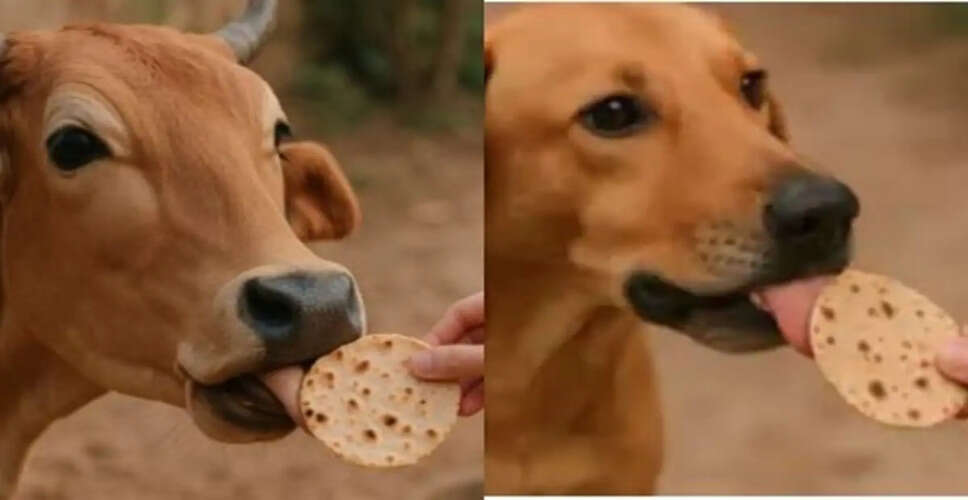
Indian culture is rich with age-old customs that continue to play a vital role in the lives of many today. One notable practice involves offering the first *roti* (flatbread) to a cow and the last one to a dog after preparing a meal. Despite the influence of modern lifestyles, this tradition is still upheld with great respect and belief by numerous individuals in both urban and rural areas across the nation. This ritual is thought to be not only virtuous but also a way to attract happiness, prosperity, and positive energy into households, according to various religious and astrological beliefs.
The Cow's Maternal Status in Hindu Beliefs
**The Cow's Maternal Status in Hinduism**
Pandit Deeplal Jaipuri, an astrologer from Ambala, elaborated that in Hinduism, the cow is revered as a mother (*Gau Mata*). It is believed that the cow houses 33 *koti* (types) of deities, making the act of offering the first *roti* to a cow a highly auspicious gesture.
The Importance of Feeding Cows
**Why is the First *Roti* Given to a Cow?**
Pandit Deeplal Jaipuri explained that regularly feeding a cow is thought to promote abundance and prosperity in the household, ensuring that the family remains under divine blessings. Many also find it beneficial to offer jaggery (*gur*) alongside the *roti*, as this is believed to enhance positivity and help overcome various challenges in life.
The Tradition of Feeding Dogs
**Why is the Last Portion of the Meal Given to a Dog?**
He further noted that the custom of reserving the last portion of a meal for a dog is an ancient one. From a religious standpoint, this act symbolizes *Jiva Seva* (service to living beings) and compassion. It is believed that those who feed animals and birds foster peace and balance in their lives. This tradition also serves as a reminder of humanity's responsibility toward nature and all living beings.
The Essence of Service to Living Beings
**Service to Living Beings is the Highest Dharma**
Historically, people would place food outside their homes for cows, dogs, and birds, which not only nourished these creatures but also nurtured a spirit of compassion and love within the community. Religious texts affirm that *Jiva Seva*—the service to all living beings—represents the highest form of *Dharma* (righteous duty). This is why many families still incorporate this tradition into their daily lives.
Instilling Values Through Tradition
**What Was the Purpose?**
Astrologer Pandit Deeplal Jaipuri believes that such customs also play a crucial role in teaching good values to children. When youngsters witness their elders showing compassion and a willingness to serve animals and birds, they too cultivate sensitivity and a spirit of sharing.
He remarked that while many individuals in today's fast-paced society may be moving away from traditional practices, the custom of offering the first *roti* (chapati) to a cow remains a significant emblem of Indian culture and faith. This tradition transcends mere religious belief; it embodies a profound message of love, compassion, and harmony between humans and nature.
Conclusion
PC Social Media