
The Significance of Copper Vessels in Indian Worship Practices

Understanding the Importance of Worship Items
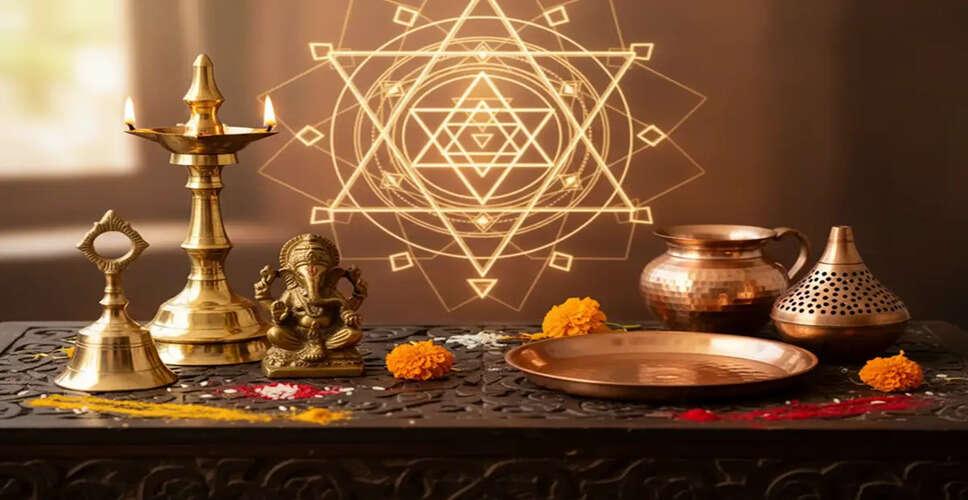
In the Sanatan tradition of India, every item utilized during worship carries profound meaning. Objects like the *diya* (lamp), *kalash* (sacred pot), *shankh* (conch shell), and *lota* (water vessel) are not just ritualistic tools; they are intricately linked to spiritual beliefs and symbolism. Among these, the copper *lota* is revered as the most sacred for worship. Many people question why the copper *lota* is favored for rituals when alternatives like steel or brass vessels are available.
Copper as a Symbol of the Sun God
In religious contexts, copper is viewed as a representation of the Sun God, who embodies energy, brightness, and positivity. Thus, using a copper *lota* for *Arghya* (ritual water offering) to the Sun or for divine offerings is considered both auspicious and rewarding. It is believed that water kept in a copper vessel radiates positive energy, which is why it is specifically chosen for worship.
Ayurvedic Perspectives on Copper
**Special Significance in Ayurveda**
Copper's relevance extends beyond religious practices; it is also significant in Ayurveda. Ayurvedic literature highlights the benefits of drinking water stored in copper vessels, associating copper with purity and cleanliness. However, it is essential to note that copper-infused water may not be suitable for everyone in all circumstances.
Copper Vessels in Religious Rituals
**Used in Most Religious Rituals**
The copper *lota* is deemed auspicious across various rituals, including pouring water over the *Shivling*, *Tulsi* worship, and *Kalash Sthapana* (installation of the sacred pot). Many households maintain a specific copper *lota* solely for religious use, ensuring it is reserved for these sacred practices.
Vastu Shastra and Copper
**Considered Auspicious in Vastu**
According to Vastu Shastra, copper is linked to positive energy. It is believed that incorporating copper vessels in home shrines fosters a positive environment. While scientific backing for these beliefs may be scarce, they hold significant value in religious customs.
Alternatives to Copper Vessels
**Can’t Steel or Brass Vessels Be Used?**
That is not the case. If a copper vessel is unavailable, a clean and pure brass or other metal vessel can also be utilized. The essence of worship lies in reverence, cleanliness, and genuine devotion. Although a copper vessel is considered auspicious, the spiritual outcome of worship is ultimately determined by one's faith and commitment.
Conclusion
PC Social Media