
The Significance of Camphor and Cloves in Hindu Rituals

Understanding the Tradition of Camphor and Cloves
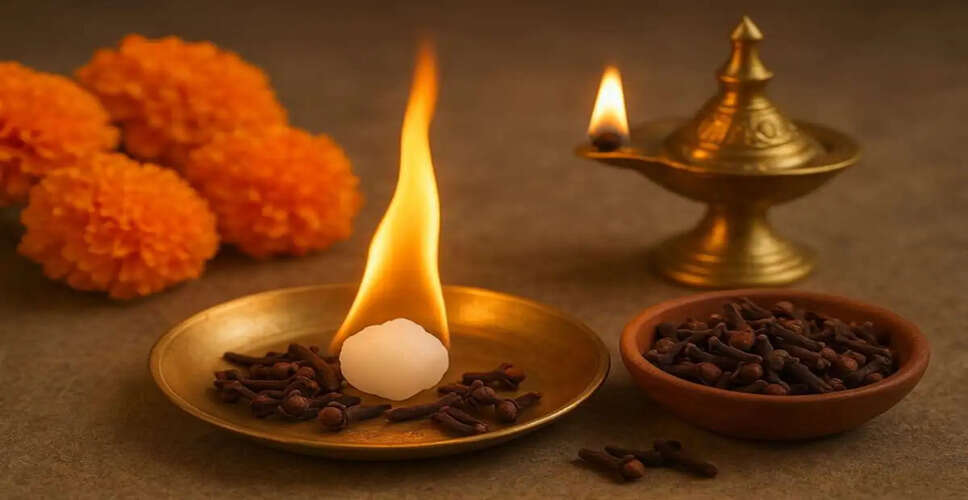
Camphor and cloves have held a significant place in Hindu worship for centuries. During the *Aarti*, a ritual involving the offering of light, it is common for devotees to place cloves atop camphor before igniting it, a practice steeped in tradition. While this custom is deeply rooted in faith, there are also practical reasons that support it. However, many assertions regarding the simultaneous burning of cloves and camphor are based on belief rather than scientific validation. Let's delve into the beliefs and facts surrounding this custom.
From a religious perspective, camphor is said to burn completely, leaving no ash, symbolizing the relinquishment of ego and total devotion to the Divine. Cloves are linked to auspiciousness and positive energy. Thus, it is customary to burn cloves alongside camphor during the *Aarti*, enhancing the sacredness and spiritual purity of the ritual.
**Creating a Serene Atmosphere**
Both camphor and cloves are known for their aromatic properties. The strong scent of camphor combined with eugenol, a compound in cloves, creates a unique fragrance that many find appealing during worship. However, it is misleading to assert that burning these substances alone can purify the air or eliminate all germs, as there is a lack of scientific backing for such claims.
**Health Implications**
In Ayurveda, both cloves and camphor are regarded as having specific health benefits. Cloves have been traditionally used for alleviating toothaches, throat issues, and digestive problems, while camphor is often applied externally and used in aromatherapy. Nonetheless, there is no solid scientific evidence that burning them during worship provides any health advantages. Those with allergies or asthma triggered by smoke or strong scents should be cautious.
**Auspiciousness in Vastu Shastra**
According to Vastu Shastra and traditional beliefs, the act of burning camphor and cloves is thought to promote positive energy flow within the home and eliminate negativity. Many individuals engage in this practice during special occasions or festivals. However, it is essential to recognize that this belief is rooted in cultural and religious traditions rather than scientific evidence.
PC Social Media