
The Significance and Guidelines for Wearing Saffron
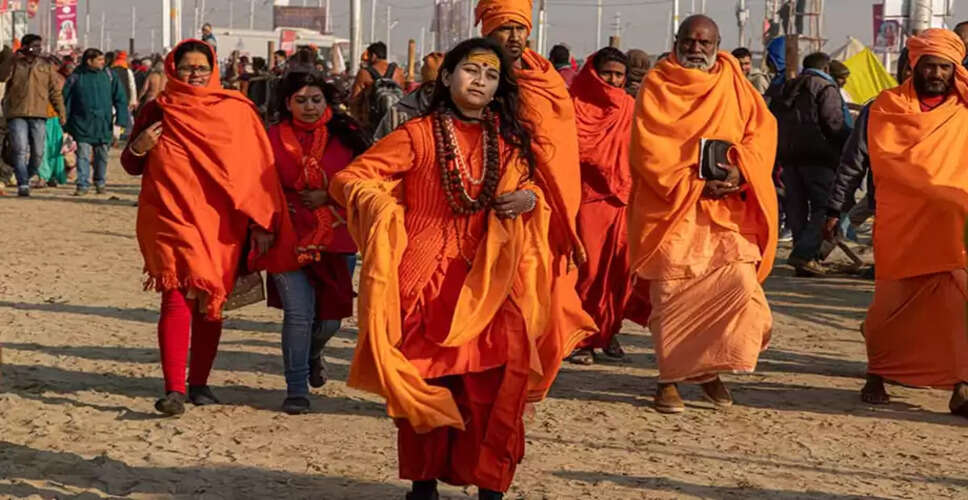
Understanding Saffron and Its Importance
Saffron has gained popularity recently, but there are specific guidelines to follow when wearing it. To begin with, it's important to grasp what saffron represents and its significance. Wearing saffron is believed to promote tranquility and is regarded as a symbol of peace. This is why it is commonly worn during worship in Hinduism. Prior to donning saffron, one must purify both the mind and body. Individuals who wear saffron are thought to embody a Vishnu-like essence, attracting the blessings of Lord Vishnu. Regular wearers of saffron often report a sense of peace within themselves and their families, steering clear of negativity and achieving their goals without conflict or financial struggles.
The Benefits of Wearing Saffron

Numerous Advantages of Saffron Attire
According to Acharya Som Prakash Shastri from Saharanpur, saffron is more than just a garment; it represents our inner self. Wearing saffron is said to bring peace to the mind, body, and spirit, preventing negative thoughts. Acharya Shastri emphasizes that when we dress in accordance with our desires, we achieve inner peace and success. Saffron attire symbolizes tranquility, harmony, and joy, embodying a lifestyle of renunciation. While individuals engage in daily activities, whether at home or work, it is recommended to wear saffron during devotional practices, be it a towel, vest, or dhoti.
Appropriate Times to Wear Saffron
When is it Suitable to Wear Saffron?
Acharya Som Prakash Shastri advises that wearing saffron or red during worship aligns one with the path of renunciation. It is crucial to bathe before putting on saffron clothing, as physical cleanliness is necessary for spiritual purification. Those wishing to wear saffron can do so on Sundays, Tuesdays, or Fridays, which are considered auspicious days for this practice.
Social Media
PC Social Media