
The Science Behind Separating Ginger and Garlic in Cooking
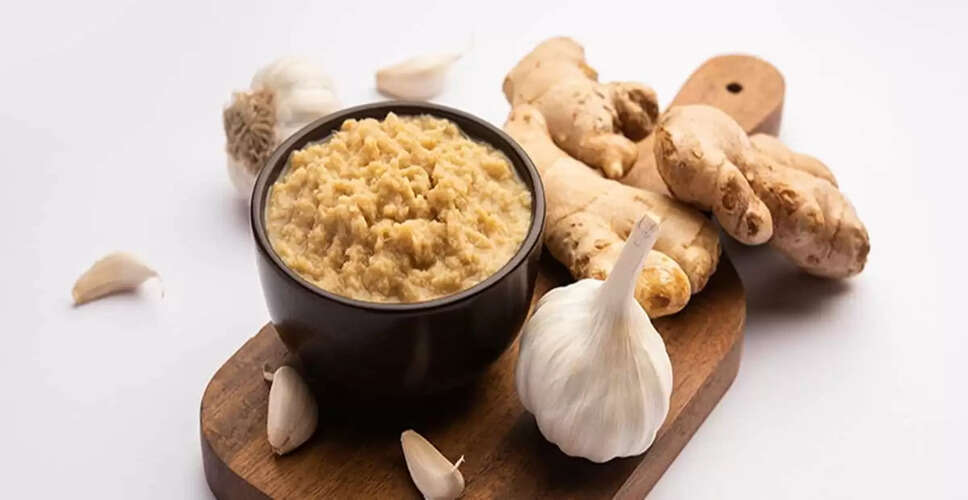

Understanding the Importance of Ginger-Garlic Paste
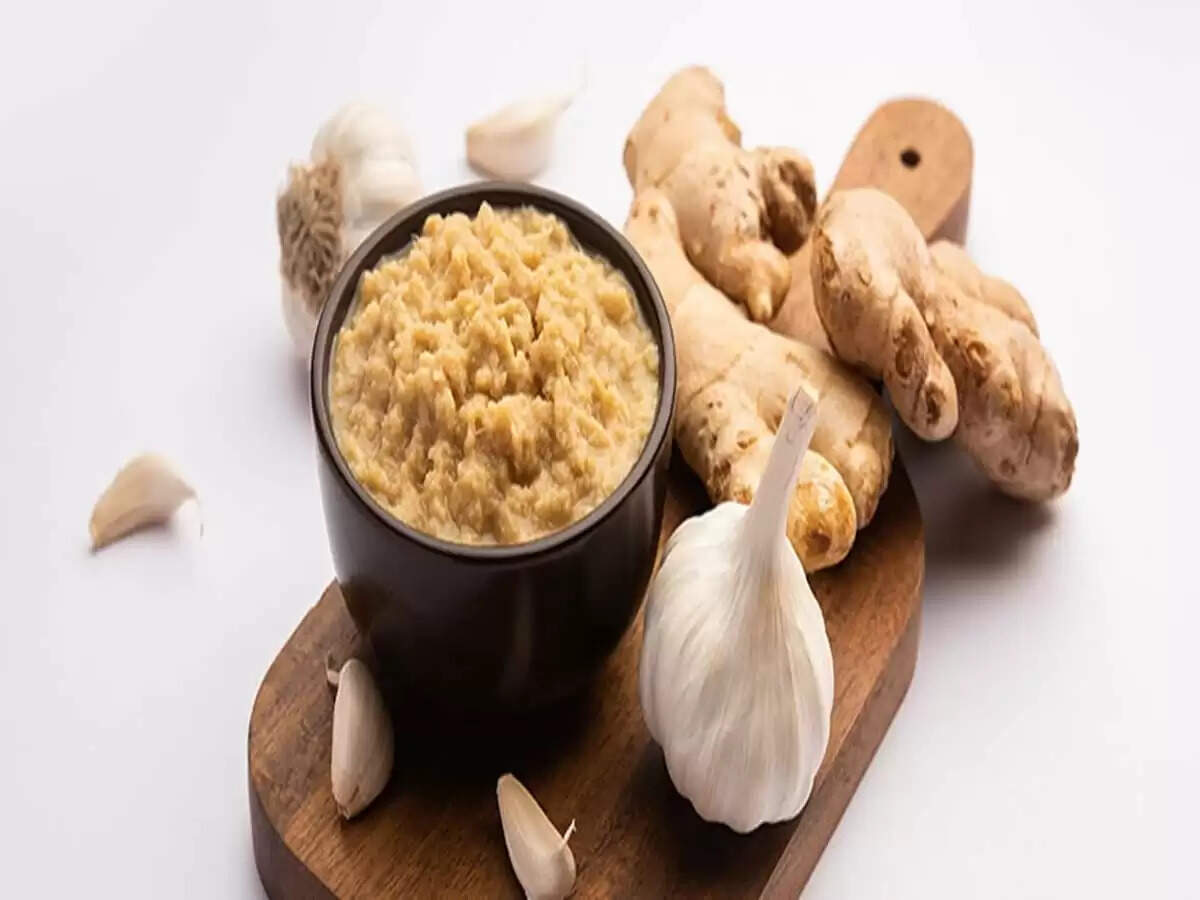
In many kitchens, ginger-garlic paste is a staple ingredient used in various dishes like curries and stir-fries. However, a viral video on social media has revealed a surprising fact: grinding ginger and garlic together can be a significant mistake. The video explains that ginger contains an enzyme called zingibain, which can completely destroy the main flavor compound in garlic, known as allicin.
What does this mean for your cooking? The result is that dishes may only carry the sharpness of ginger, while the distinct flavor of garlic is lost. Millions of people make this common error daily. Chefs recommend a technique called 'molecular timing,' which involves grinding the ingredients separately before combining them. This trick has gained popularity online, leaving many astonished at how they have been using these ingredients together for so long.
The Science Behind It
A cooking influencer demonstrated an experiment in the video: one batch of ginger-garlic paste was ground together, while another was prepared separately before mixing. The difference in taste was evident—the combined paste lacked the pungent aroma of garlic. This hack is trending again in 2025, but scientific support for it has existed since 2010. According to research, allicin is a sulfur compound that forms when garlic is chopped or crushed, providing antioxidant and antibacterial properties along with flavor. In contrast, ginger contains zingibain, a protease enzyme that breaks down proteins. When both are combined, zingibain breaks down the molecules of allicin. A study published in the Journal of Food Science found that 50% of allicin degrades within 30 minutes.
How to Use Ginger and Garlic Effectively
The question arises: how should these ingredients be used if not ground together? Top chefs often roast ginger first. Once it is well-cooked in oil, garlic is added. In India, ginger-garlic paste is commonly used in homes and restaurants, but awareness about this cooking technique is growing.