
The Sacred Tulsi Plant: Rituals and Remedies for Prosperity
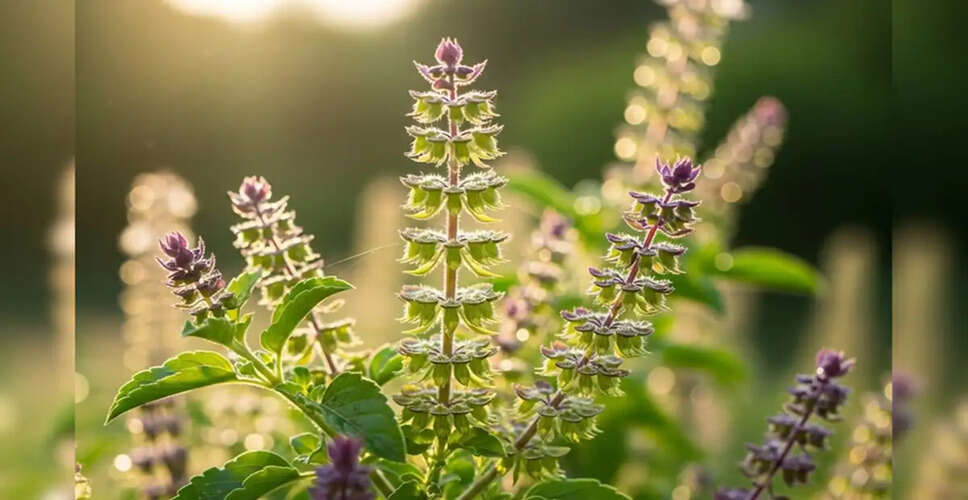

The Revered Tulsi Plant in Hinduism
In Hindu beliefs, the Tulsi plant transcends its role as a mere plant; it is venerated as a manifestation of the Goddess. Regular worship of Mother Tulsi, performed with devotion and appropriate rituals, is thought to bring enduring happiness, tranquility, and wealth to one's household. The 'Manjari', which refers to the flower clusters or seed pods of the Tulsi, holds particular importance in religious observances and Vastu Shastra. Here, we delve into some effective remedies that utilize the Manjari.
Effective Remedies with Manjari
**Remedies for Financial Well-being**
Tulsi is cherished by Lord Vishnu. When your Tulsi plant starts to bloom with Manjari, wash them with clean water and offer them during your prayers to Shri Hari Vishnu, especially on Thursdays. This practice is believed to assist devotees in overcoming financial challenges. After the worship, wrap the Manjari in a clean red cloth and store it in your safe, locker, or wallet. This remedy is reputed to effectively alleviate financial shortages.
Eliminating Negativity
**Inviting Abundance**
Offering Manjari during prayers to Goddess Lakshmi is said to attract prosperity and open new paths for wealth acquisition. To cleanse your home of negative energies, mix a small quantity of holy Ganges water (Gangajal) with regular water and add the Manjari. Sprinkle this mixture throughout your home to purify the space.
Proper Harvesting of Manjari
**Guidelines for Plucking Manjari**
It is crucial not to pluck Manjari as soon as they appear on the Tulsi plant. Wait until they start to brown. Before harvesting, seek permission from Mother Tulsi by folding your hands in prayer and bowing, then proceed to pluck them.
Common Mistakes to Avoid
**Avoid These Practices**
Do not harvest Tulsi leaves or Manjari on Sundays or during Ekadashi. Refrain from touching the Tulsi plant after sunset. Additionally, do not pluck leaves or Manjari without bathing or when your hands are unclean (after meals). Whenever possible, use Manjari that have naturally fallen off the plant. Only pluck leaves or Manjari for a specific purpose, and maintain cleanliness around the Tulsi plant, avoiding placing items like shoes or trash nearby. It is also advised not to position thorny plants, such as cacti, close to the Tulsi plant.
Conclusion
PC Social Media