
The Sacred Significance of Tulsi in Sanatan Dharma
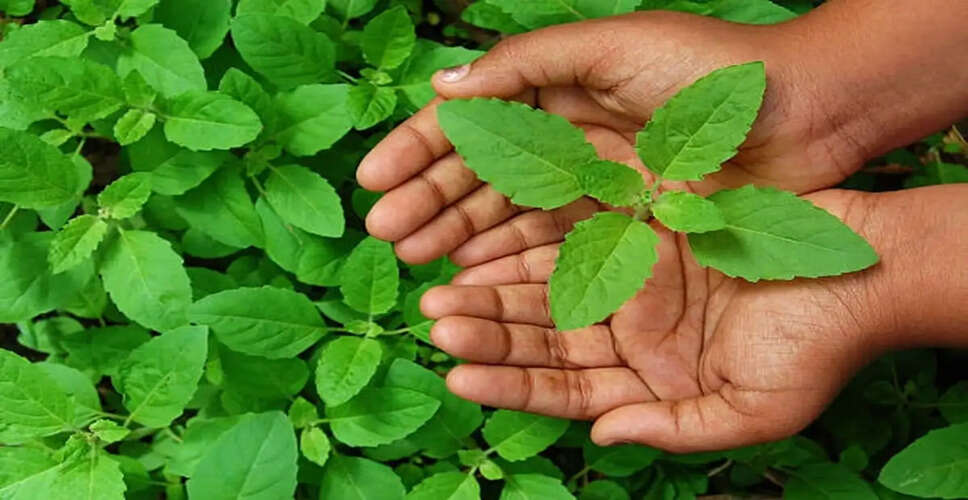

Understanding the Reverence for Tulsi
In Sanatan Dharma, the Tulsi plant holds immense spiritual significance and is revered in many households. It is closely associated with Lord Vishnu, earning it affectionate titles like 'Haripriya', 'Vrinda', and 'Vishnu-priya'.
The Role of Tulsi in Purifying Homes
Mother Tulsi is believed to be a companion of Goddess Lakshmi, contributing to the purification of the home’s environment. However, there are specific guidelines outlined in scriptures regarding the harvesting of its leaves. Notably, it is forbidden to pluck Tulsi leaves on Ekadashi and Dwadashi.
Prohibited Days for Plucking Tulsi Leaves
According to religious texts, certain days are strictly off-limits for harvesting Tulsi leaves. These include Sundays, Ekadashi, Amavasya (new moon), Purnima (full moon), and during solar or lunar eclipses. Engaging in this act on these days is considered a significant violation of spiritual norms. Additionally, it is advised not to pluck leaves after sunset, as this is also deemed inappropriate.
Guidelines for Harvesting Tulsi
**Proper Methods for Plucking**
There are specific methods to follow when harvesting Tulsi leaves. It is recommended to use fingertips rather than fingernails to avoid damaging the plant. Furthermore, approaching the Tulsi plant in an impure state, such as without bathing, is regarded as sinful. Offering water to the plant on Sundays is also discouraged.
The Spiritual Implications of Timing
**Why Timing Matters**
One might wonder why plucking leaves on certain days is discouraged. Religious texts suggest that a unique sacred energy is particularly potent within the Tulsi plant on Sundays, Ekadashi, Dwadashi, Amavasya, and Purnima. Harvesting leaves during these times can disturb this energy, potentially inviting negativity into the household.
During solar and lunar eclipses, the negative influences of Rahu and Ketu are believed to affect the environment. Thus, Tulsi leaves collected during these events are considered impure and unsuitable for worship. Harvesting at inappropriate times can lead to spiritual disturbances, disrupt harmony at home, and even result in financial difficulties.
Conclusion
PC Social Media